

Introduction to Burundi
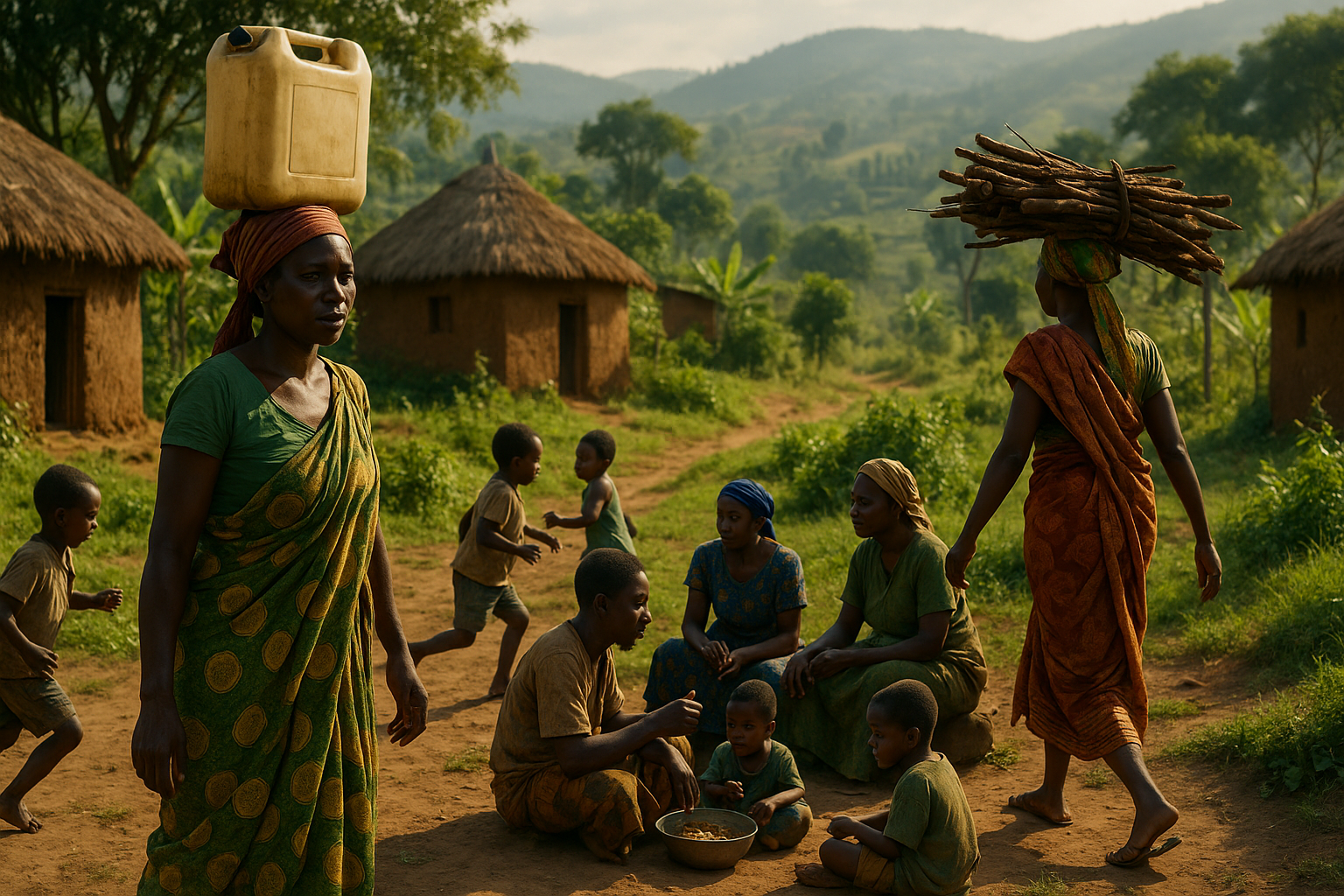
Burundi is a landlocked country situated in East Africa, bordered by Rwanda to the north, Tanzania to the east, and the Democratic Republic of the Congo to the west. Encompassing an area of approximately 27,834 square kilometers, it is one of the smallest nations on the African continent. Burundi lies on the eastern shore of Lake Tanganyika, which is one of the largest freshwater lakes in the world and serves as a vital resource for local fisheries and transportation.
The country has a rich and tumultuous history, marked by periods of colonial rule and conflict. Originally inhabited by ethnic groups such as the Hutu, Tutsi, and Twa, Burundi was colonized by the Germans in the late 19th century and later by the Belgians after World War I. The struggle for independence culminated in 1962, yet the nation has faced ongoing political unrest and violence, particularly during the civil war that erupted in the 1990s, leading to significant loss of life and displacement of people.
Burundi’s culture is deeply influenced by its diverse ethnic makeup and traditional customs. The Burundian people are known for their rich storytelling traditions, vibrant drumming ceremonies, and unique weaving and pottery techniques. While the nation faces several challenges including poverty, limited access to education, and health care issues, it is also home to remarkable resilience and community spirit among its inhabitants. Notably, the Burundian flag features four colors—red, green, black, and white—with each symbolizing different aspects of the Burundian identity.
Understanding Burundi requires an awareness of its historical context and cultural diversity. This introductory overview paves the way for a deeper exploration of the prevailing struggles, social dynamics, and cultural practices that continue to shape life in this East African nation.
Historical Background
The history of Burundi is characterized by a complex interplay of ethnic tensions, colonial influences, and struggles for independence that have significantly shaped its current socio-political landscape. Prior to European colonization, Burundi was a kingdom dominated by the Tutsi ethnic group, with the Hutu providing much of the labor force. Tensions between these groups were exacerbated during the colonial period when the Belgians favored Tutsi rule, leading to deep-seated grievances amongst the Hutu population. This preferential treatment established an enduring legacy of inequality and division.
Economic Challenges in Burundi
The economy of Burundi faces significant challenges that impact the daily lives of its citizens. With a majority of the population living below the poverty line, the struggle for survival is an everyday reality for many Burundians. Limited access to resources further exacerbates the economic hardships faced by the populace. The country is heavily reliant on agriculture, which employs approximately 90% of the population and forms the backbone of the economy. However, this reliance also renders the economy vulnerable to fluctuations in climate and market conditions.
Furthermore, unemployment remains a persistent issue, particularly among the youth, who constitute a large demographic in the nation. The lack of diverse employment opportunities fuels frustration and contributes to social unrest. Many young individuals seek work in neighboring countries or turn to the informal economy, which often provides little security or benefits. This migration for work underscores the dire economic state within Burundi and the limited avenues for sustainable employment.
The political instability that has plagued Burundi for decades has had a profound effect on economic development. The uncertainty associated with governance and policy implementation deters both domestic and foreign investment. Businesses struggle to thrive in such an environment, and the economic infrastructure suffers as a result. Additionally, government resources are often diverted to address immediate political issues rather than being allocated for long-term economic strategies aimed at improving the living standards of the population.
Ultimately, addressing the economic challenges that Burundians face requires a comprehensive approach focusing on sustainable agricultural practices, job creation, and fostering a stable political climate. Only through collaborative efforts can meaningful progress be achieved to improve the overall quality of life in Burundi.
Social Structure and Community Life
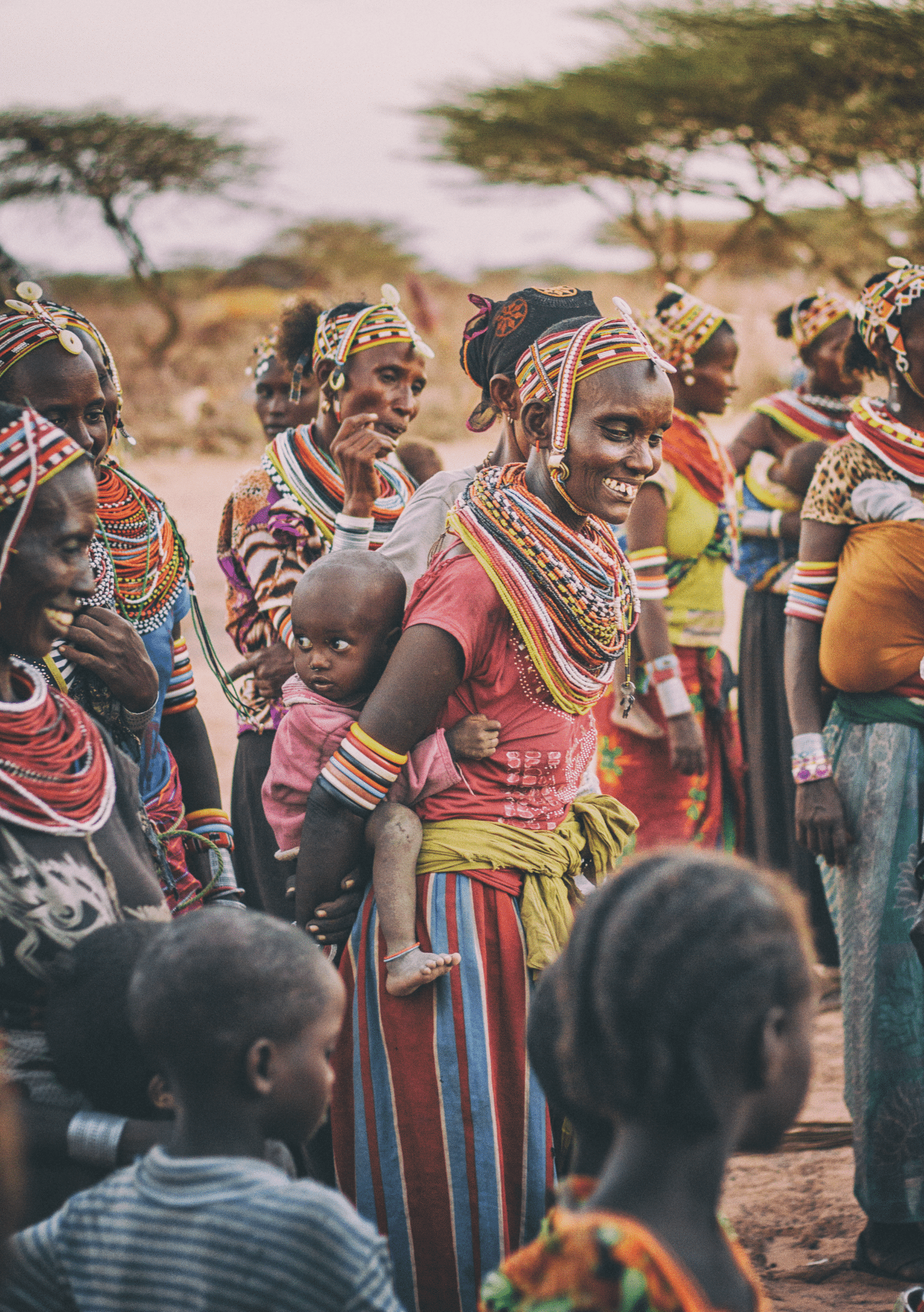
Burundi’s social structure is deeply rooted in its cultural values, particularly the importance placed on family and community interactions. Traditional family units serve as the cornerstone of social life, where extended families often live in close proximity, fostering a sense of belonging and mutual support. This communal living arrangement allows for shared responsibilities and resources, which are crucial in a country facing economic challenges. Family dynamics generally reflect a hierarchical structure, with elders respected as decision-makers and custodians of cultural traditions.
Gender roles within Burundian society are traditionally defined, with men often regarded as the primary breadwinners and women primarily responsible for domestic duties, including child-rearing and household management. However, these roles have been evolving, particularly in urban areas where women are increasingly participating in economic activities and decision-making processes. The evolving role of women in the workforce not only enhances family income but also contributes to changing perceptions about gender equality in Burundian society.
Community interaction is another key component of life in Burundi. Local governance structures often rely on community meetings that encourage collective decision-making and dispute resolution. These gatherings serve as a platform for discussing local issues, such as agricultural practices, education, and health care. The participation of community members in these discussions fosters social resilience and strengthens intergenerational relationships, thereby creating a supportive environment for both individuals and families.
Burundians often place great importance on cultural rituals and traditions, which serve to enhance social cohesion. Events such as weddings, funerals, and communal feasts are significant, bringing together large groups of people to celebrate or mourn. These occasions reinforce social ties and illustrate the interdependence that characterizes Burundian community life. Overall, the social structure and community interactions in Burundi not only reflect the resilience of its people but serve as a foundation for navigating their collective challenges.
Cultural Heritage and Traditions
Burundi, a landlocked nation in East Africa, boasts a rich tapestry of cultural heritage and traditions that reflect its historical lineage and social values. The Burundian people possess a profound connection to their customs, which have been preserved through generations despite the challenges posed by political and social upheavals. Traditional music, dance, art, and storytelling not only serve as entertainment but also play fundamental roles in the expression of identity and community bonding.
One of the most significant elements of Burundian culture is music. Traditional instruments, such as the Inanga (a type of lyre) and drums, often accompany songs that narrate stories of love, history, and communal events. Music is not merely a form of entertainment; it is an essential part of cultural rituals, ceremonies, and celebrations, enabling the people to express their emotions and experiences collectively.
Dance is equally vital in Burundi’s cultural landscape, with numerous dances performed during social gatherings and festivities. Each dance has its significance, typically rooted in historical or agricultural practices. The “Ikwa” dance, for instance, symbolizes unity and togetherness, encouraging community participation and reinforcing social bonds. These performances serve as a conduit for transmitting values and traditions to younger generations, fostering a sense of pride in their heritage.
Artisan crafts, such as weaving, pottery, and woodwork, also represent an important aspect of Burundian culture. These crafts showcase the artistic skills of the Burundian people and often feature designs that convey traditional symbolism or cultural narratives. Through their crafts, artisans not only contribute to the economy but also preserve and promote their communal values.
Storytelling is another pivotal tradition that encapsulates the experiences and wisdom of the Burundian people. Oral narratives, passed down through generations, recount historical events and moral lessons, ensuring that the community’s identity and principles remain intact. The cultural preservation of these practices is crucial for unifying communities amidst struggles, emphasizing the resilience of Burundians in celebrating their identity and heritage.
Education and Literacy
The education system in Burundi faces significant challenges that hinder progress towards improving literacy rates and providing quality education to its citizens. Despite these obstacles, education remains a critical pathway for the youth of Burundi, offering an opportunity to rise above socio-economic struggles and contribute positively to the nation’s development. Access to education in Burundi is limited, primarily due to inadequate infrastructure, insufficient funding, and political instability which disrupts schooling. According to the latest reports, primary school enrollment rates have improved over the years; however, dropout rates remain alarmingly high, particularly in rural areas where families often prioritize immediate economic needs over long-term educational goals.
While the government has made strides in enhancing access to basic education, there is a persistent gap in the quality of education delivered. Teachers are often underqualified, and resources such as textbooks and learning materials are scarce. This lack of resources affects the overall learning experience, leading to a significant disparity in educational outcomes between urban and rural students. Furthermore, the emphasis on rote learning over critical thinking skills limits students’ ability to engage with more complex subjects that are crucial in today’s global economy.
Despite these challenges, various non-governmental organizations and community initiatives are working to improve literacy and education in Burundi. Programs that focus on adult education, vocational training, and scholarship opportunities for underprivileged youth aim to bridge the educational divide. These efforts highlight the importance of education as a foundation for economic growth and social cohesion. By fostering a culture that values learning and knowledge, Burundi can cultivate a more educated society that is capable of addressing its struggles and contributing to national development.
Health and Wellbeing in Burundi
The healthcare system in Burundi faces significant challenges, influenced by both socioeconomic factors and infrastructural limitations. Despite these hurdles, the government, alongside various international organizations, is making concerted efforts to enhance public health services. Approximately 77% of the population lives in rural areas, where access to medical facilities is often limited. Health clinics and hospitals are concentrated in urban regions, making it difficult for those residing in remote areas to receive adequate care. The shortage of healthcare professionals—particularly in rural zones—further exacerbates the situation, leading to a disparity in health outcomes.
Burundi is burdened by a range of communicable diseases, including malaria, HIV/AIDS, and tuberculosis. According to reports from the World Health Organization, malaria remains the leading cause of morbidity and mortality in the country, affecting mainly children under the age of five. In addition to this, maternal and child health remains a pressing concern. The maternal mortality rate is high, reaching approximately 512 deaths per 100,000 live births. Inefficient access to prenatal care, inadequate health education, and a scarcity of skilled birth attendants contribute to these alarming statistics.
Efforts to improve health infrastructure have been initiated through partnerships with global health organizations and investment in local health programs. These initiatives aim to enhance the availability of essential medicines, improve disease prevention strategies, and increase health personnel training. Vaccination campaigns have also garnered attention, targeting diseases such as measles and polio, with the goal of raising immunization coverage. Community health workers play a crucial role in outreach and education, promoting practices such as hygiene and nutrition to bolster overall wellbeing.
While progress is visible, ongoing challenges such as insufficient funding, political instability, and limited logistical support hinder comprehensive healthcare delivery. A concerted effort is required to address these persistent issues, ensuring that all Burundians have the right to access quality healthcare services and improve their wellbeing.
Political Landscape and Governance
The political landscape of Burundi has been shaped by a complex history of conflict, governance challenges, and efforts towards reconciliation. Historically, the nation has experienced significant political volatility, including the impacts of civil war and ethnic tensions. These factors have made governance a critical aspect of life in Burundi, influencing not only political stability but also the daily lives of its citizens. The current government structure is characterized by a presidential system, with governance approaches often drawing scrutiny from both domestic and international observers.
One of the primary issues affecting governance in Burundi is the concentration of power within the executive branch. The presidency holds substantial authority, which raises concerns regarding civil rights and political freedoms. Reports of political repression, including harassment of opposition parties and restrictions on media freedom, have emerged consistently. These circumstances create an environment where dissent is often not tolerated, impacting the ability of citizens to express their political aspirations and engage in the democratic process. The rule of law is challenged, and the judiciary is frequently perceived as lacking independence from political influence.
Further complicating this landscape is the role of international organizations, which aim to promote stability and support human rights initiatives. Various entities, including the United Nations and African Union, have attempted to mediate conflicts and provide humanitarian assistance in Burundi. Their efforts reflect the international community’s recognition of the need for peace and sustainable development within the nation. However, the interactions between these organizations and the Burundian government can be fraught with tension, as local leaders may view external interventions as infringements on sovereignty.
Consequently, the political context significantly influences the aspirations of Burundians, as ongoing challenges in governance impact everyday life. Addressing these issues remains essential for fostering an environment where citizens can thrive and actively participate in shaping their future.
Hope and Resilience
Amidst the challenges faced in Burundi, the unwavering spirit of its people embodies a narrative of hope and resilience that cannot be overlooked. This small, landlocked nation in East Africa has endured a tumultuous history that includes civil conflicts, economic instability, and social strife. However, within these adversities lie inspiring stories of individuals and communities determined to forge a brighter future. Through grassroots initiatives, local organizations, and individual efforts, Burundians are actively working toward positive changes that resonate throughout their communities.
Non-governmental organizations and community leaders have emerged as beacons of hope, implementing programs focused on education, health care, and economic development. For instance, various initiatives aimed at improving access to education have significantly increased literacy rates among children and young adults in rural areas. By providing resources and training to teachers, and by building schools, these organizations foster an environment where learning can thrive, thus enabling the youth to envision a more promising future.
Moreover, the spirit of entrepreneurship can be seen within many Burundian communities. Individuals are embarking on small businesses that not only support their families but also contribute to local economies. These efforts often emphasize sustainability and cooperation, as many entrepreneurs engage with co-operatives to share resources and ideas. By leveraging communal ties and acknowledging the need for collective improvement, these businesses exemplify resilience in navigating the adversities present in the economic landscape.
In conclusion, the narrative of hope and resilience in Burundi showcases the strength of its people and their aspirations for progress. Despite the challenges that persist, it is clear that the unwavering commitment to fostering positive change is alive and well. The collective efforts of individuals and organizations embody the spirit of resilience that characterizes Burundi, emphasizing that even in the face of hardship, a brighter future remains within reach.