
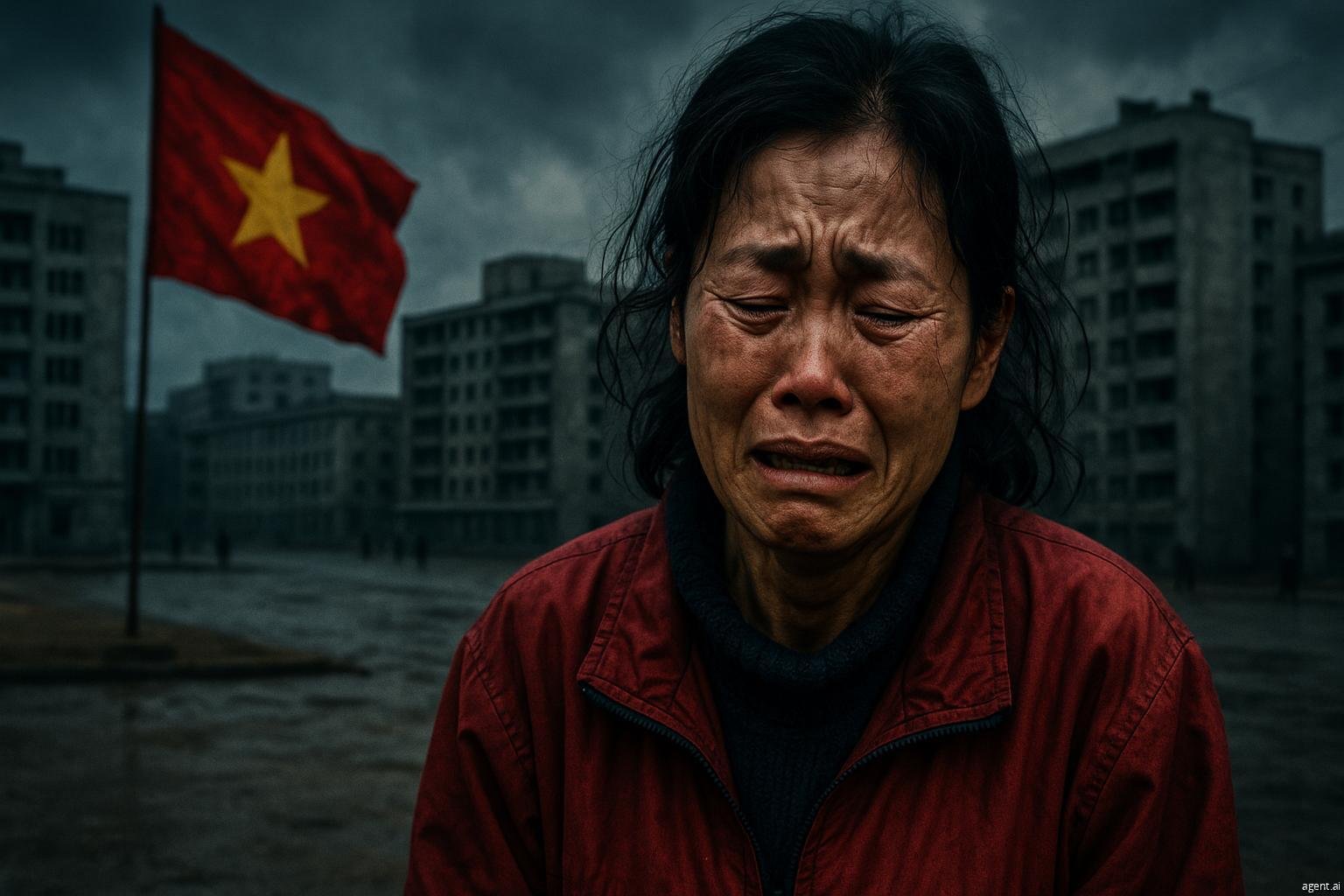

A Doorway into North Korea
What images come to mind when you think of North Korea? Perhaps it is the stark landscapes, the powerful presence of its leader, or the intricate traditions that have shaped its people for generations. This enigmatic nation, cloaked in a shroud of mystery and often misrepresented by the media, serves as both an alluring enigma and a site of stark realities. As one peers through the literary lens of this isolated country, they find a rich tapestry of culture, history, and human experience that beckons exploration.
Understanding life in North Korea requires deep engagement with its multifaceted society, where historical narratives heavily influence resident lives. The past weighs heavily on the present; collective memories of conflict, resilience, and ideology shape the national identity. Further complicating this portrait is the interplay between tradition and modernization. The country remains largely uncharted territory for many, embodying tales of hardship and echoes of hope, revealing both struggles and triumphs.
This blog post aims to delve into the essence of North Korean life through a narrative-style exploration. It will provide valuable insights into how history and culture converge to create a unique living environment. As we embark on this journey, it is essential to foster an understanding that transcends stereotypes and embraces the complexities of human experience. Here, we endeavor not only to recount historical events but to capture the emotions and stories that breathe life into the nation’s existence, creating a personal connection with readers and inviting them to see North Korea through a clearer lens.
Historical Context: Understanding the Roots
The history of North Korea is a complex narrative marked by significant events that have shaped its identity. Established in 1948, the Democratic People’s Republic of Korea emerged from the ruins of World War II and the Japanese occupation. The liberation of Korea in 1945 led to its division along the 38th parallel, creating two separate states: North and South Korea. This geopolitical split sowed the seeds for a unique identity in North Korea, shaped by its communist ideology under Kim Il-sung.
The Korean War (1950-1953) stands as a pivotal moment in North Korean history. It not only solidified the division between the North and South but also entrenched a pervasive military culture within the country. The conflict resulted in significant loss of life and infrastructure, further stunting economic growth as both nations followed divergent paths. Post-war reconstruction was heavily influenced by Soviet assistance, leading to the establishment of state-controlled industries, agricultural collectivization, and the propagation of a cult of personality around the Kim family.
The late 20th century was marked by a series of crises that challenged the state’s stability. Economic decline in the 1990s, exacerbated by natural disasters and the withdrawal of Soviet support, led to widespread famine and discontent amongst the populace. Despite these challenges, the leadership maintained a strict grip on power. The inheritance of power by Kim Jong-il in 1994 initiated a further entrenchment of the regime’s ideologies, with an emphasis on military first policy and nuclear development, significantly altering the balance in regional and global politics.
North Korea’s historical context is not only a chronicle of political events but also sets the scene for the cultural and social aspects of life today. Understanding these roots provides critical insight into the unique identity and experiences of the North Korean people, as they navigate a world influenced by both tradition and the stark realities of their regime.
Cultural Landscape: Traditions and Societal Norms
North Korea boasts a rich cultural tapestry that reflects its unique historical, social, and political landscape. At the heart of North Korean culture are traditions that have been cultivated over centuries and continue to shape societal norms today. Festivals play a significant role in these cultural expressions, with events such as the Arirang Festival drawing both local citizens and international visitors. This festival combines art, music, and dance, showcasing the nation’s ideology and collective spirit. The spectacular performances exemplify a community’s commitment to cultural continuity, highlighting the resilience of North Korean traditions.
Family structures in North Korea are deeply influenced by Confucian ideals, which emphasize hierarchy, respect for elders, and familial loyalty. The concept of the ‘family unit’ extends beyond blood relations to include a strong sense of community, with neighbors often viewing one another as extensions of their own families. In everyday life, traditional roles are typically maintained, with men serving as the primary breadwinners while women often assume responsibility for home management and child-rearing. This division of labor shapes not only individual identities but also contributes to a unified societal ethos.
The interactions among community members serve to reinforce these cultural norms. People commonly gather for communal activities, such as planting crops or participating in sports events, which promote unity and collective effort. However, the ongoing challenges faced by North Korean society, including restrictions on personal freedoms, can impact these interactions. The portrayal of everyday life is therefore a complex interplay of maintaining traditions while adapting to current realities.
In essence, the cultural landscape of North Korea is a vibrant mosaic, interwoven with distinct practices and shared values that drive societal norms. Despite the challenges that residents may confront, their commitment to preserving and participating in these traditions continues to shape the heart of North Korean identity.
The Personal Narratives: Voices from the Heart
In the landscape of North Korea, where the regime often dominates the narrative, the personal stories of its people shine a light on the human experience, revealing the dreams and struggles of individuals. Through a collection of anecdotes and interviews, we gain insight into the lives of North Koreans, allowing their voices to resonate deeply with those beyond their borders. These narratives illustrate not only the harsh realities of life under a totalitarian regime but also the remarkable resilience of a populace striving for a better future.
One such narrative comes from a young woman named Ji-Soo, who dreamt of becoming an artist. Despite the restrictions placed on creative expression, she found solace in drawing, using whatever materials she could gather. Her story reflects a common sentiment among North Koreans—the yearning for self-expression in a society that often suppresses individuality. Ji-Soo’s artwork became a form of resistance, a way to share her innermost thoughts and emotions, connecting her with the broader world through her dreams and aspirations.
The struggles faced by individuals like Ji-Soo are emblematic of the North Korean experience. Many recount harrowing tales of food shortages and the constant fear of surveillance. For instance, Min-Jun, a former factory worker, shared his experience of struggling to provide for his family amidst dwindling resources. His account emphasizes a universal parental instinct— the desire to safeguard one’s children while navigating the complexities of an oppressive regime.
Yet, amid these challenges, the stories reveal a profound sense of hope and determination. Despite the constraints on their lives, North Koreans demonstrate an unwavering spirit, often dreaming of a day when they can break free from the shackles imposed by their surroundings. These personal narratives encapsulate not only the hardships endured but also the resilient heart that beats within the soul of North Korea, making their voices an essential part of the broader narrative. In sharing these experiences, we foster a greater understanding of a culture often misunderstood, highlighting the need for empathy and connection in our global society.
Folktales and Myths: Storytelling through Generations
In the rich tapestry of North Korean culture, folktales and myths serve as vital conduits for preserving history and imparting moral lessons. These narratives have been passed down through generations, often set against the rugged landscapes of the Korean Peninsula, where mountains and rivers become characters in their own right. The striking natural beauty provides a vivid backdrop that enhances the tales’ significance, allowing listeners to imagine the vibrant colors and sounds that shape each story.
One of the most cherished folktales is that of the “Tale of the Moon Rabbit.” Set under the gentle glow of a full moon, this story tells of a rabbit that sacrifices itself for the sake of others, later rewarded by the moon goddess. As this tale unfolds, the themes of selflessness and bravery resonate deeply within North Korean society, shaping the moral fabric of the community. Characteristically, the rabbit is portrayed as both relatable and noble, embodying qualities that are revered within the culture.
Another captivating narrative is “The Legend of Jangsu Mountain,” where a fierce tiger and a wise old man symbolize the eternal struggle between humanity and nature. In this tale, cleverness triumphs over brute strength, teaching listeners the importance of wit and adaptability. The setting of Jangsu Mountain, with its towering peaks and lush valleys, enhances the legendary ambiance, inviting listeners to visualize the dramatic encounters between characters.
These folktales and myths are not only sources of entertainment but also embody the values, traditions, and collective wisdom of North Korean society. They foster a sense of community and connection, as families gather around fires to share these narratives, ensuring that the essence of their culture remains alive through storytelling. Ultimately, the enduring nature of these stories reflects the resilience and identity of the North Korean people as they navigate the complexities of modern life. In conclusion, these folktales remain a testimony to the rich cultural heritage that continues to inspire and educate future generations.
The Daily Struggles: Life Under a Dictatorship
Life in North Korea is characterized by a plethora of challenges that stem from the stringent political environment imposed by the ruling regime. Citizens face numerous daily struggles that affect their emotional and physical well-being. One of the most pressing concerns is the pervasive surveillance that dominates the lives of North Koreans. The government monitors activities and restricts freedom of expression, creating an atmosphere of fear and repression. Individuals must navigate this environment with caution, afraid of repercussions for even the slightest dissent.
Economic hardship also plays a significant role in the daily life of North Koreans. With limited access to global markets and resources, many find it challenging to provide for their families. The state-controlled economy severely restricts opportunities for entrepreneurship or personal gain, pushing many into illegal activities to survive. Despite these hurdles, stories of resilience emerge, with families finding ways to make do with scant resources. Community bonds often strengthen as individuals share what little they have, fostering a spirit of cooperation amidst scarcity.
The harsh political climate also impacts education and healthcare systems. Children are indoctrinated from a young age, taught to idolize the leaders rather than encouraging critical thinking or creativity. Access to quality healthcare is limited, with many individuals facing untreated ailments due to a lack of resources and facilities. This cycle of neglect and hardship can be disheartening; however, many North Koreans maintain their hopes for a better future, often motivated by dreams of freedom and improved living conditions. A sense of collective identity bolsters their spirits, as they strive to endure the adversities imposed on them by a regime that diminishes their basic human rights.
Contrasts of North Korea: The Light and the Dark
Life in North Korea is characterized by a striking duality that encapsulates the experiences of its citizens. The regime meticulously crafts a narrative of strength, unity, and resilience through a pervasive propaganda machine. State-controlled media consistently extols the virtues of the leadership, portraying an image of unwavering progression and prosperity. Yet, this curated image often stands in stark contrast to the daily realities faced by many. Within the confines of this authoritarian existence, personal beliefs and truths often run counter to the grand narratives broadcasted by the state.
Joy and suffering coexist in a complex dance, where moments of collective happiness are punctuated by the weight of political oppression. National celebrations, marked by grand parades and displays of military might, elicit feelings of pride among some populations. However, these events also serve as poignant reminders of the restrictions on individual freedoms. The participation of citizens often masks a deeper undercurrent of despair, revealing the struggle to maintain personal happiness in an environment where dissent is neither tolerated nor spoken of. It is in these fleeting moments of joy that one can glimpse the resilience of the human spirit, determined to find light amid the shadows of hardship.
Furthermore, solidarity and isolation coexist in a nuanced relationship. Within communities, there exists a palpable sense of camaraderie, fostered by shared experiences of hardship and the necessity of mutual support. Neighbors often come together to aid one another, relying on one another as lifelines amidst the pervasive state distrust. Yet, this sense of solidarity is underscored by an overwhelming fear of surveillance and punishment, which isolates individuals within their own homes. The dualities of collective spirit and personal isolation persistently shape the fabric of society, emphasizing the complexities of existence in North Korea.
Reflections: Lessons from North Korea
North Korea, a nation marked by its uniquely complex history and distinct cultural evolution, offers critical insights into the nature of governance, human rights, and the resilience of its people. As we journey through the narratives shared in this exploration of North Korean life, it becomes essential to reflect on the lessons that can be gleaned from this isolated society. While the political landscape remains controversial and often criticized, understanding the historical context allows for a broader perspective on contemporary global issues.
One of the most poignant lessons from North Korea revolves around the significance of empathy and understanding in the face of adversity. The stories of everyday citizens, often overshadowed by political rhetoric, highlight the human experience—their hopes, dreams, and struggles. By recognizing these narratives, we cultivate a sense of compassion for those who live under oppressive regimes, reminding ourselves that behind every statistic or news headline, there are individuals whose lives are profoundly affected by their reality.
Furthermore, North Korea’s experiences raise critical questions about the role of leadership, governance, and international relations. The isolationist policies and the state-controlled economy challenge conventional economic discourse and prompt reflection on the balance between national sovereignty and global cooperation. As the international community grapples with issues of human rights and intervention, the lessons drawn from North Korea’s history can inform a more nuanced understanding of these dynamics.
In essence, the reflections derived from North Korea invite us to look beyond the surface and engage with the multifaceted narratives of its people. By fostering empathy and understanding, we can draw parallels to support global efforts toward peace, dialogue, and human dignity. This journey through time and culture not only enriches our knowledge but also challenges us to champion a world where understanding triumphs over ignorance.
Conclusion: Continuing the Journey
As we conclude our exploration of life in North Korea, it becomes evident that understanding different cultures and experiences is crucial in fostering global awareness and empathy. The narratives presented throughout this journey serve as a reminder of the diversity present within humanity, highlighting the rich tapestry of traditions, beliefs, and lifestyles that characterize various societies. North Korea, often perceived through a lens heavily tinted by political commentary, invites us to look beyond the headlines and engage with the lived realities of its people.
Each story shared not only reflects the unique experiences of individuals but also encapsulates the broader historical and social context that shapes North Korean culture. By delving into these narratives, we can gain insights into the resilience, creativity, and aspirations of a population that navigates the complexities of their environment. This deeper understanding can help dismantle stereotypes and encourage meaningful discussions about global issues affecting the region.
To further immerse yourself in this intriguing cultural journey, we invite you to explore an embedded video that offers visual representations and deeper insights into the stories we’ve discussed. Through this medium, viewers can witness firsthand the landscapes, traditions, and daily life in North Korea, allowing for a more profound appreciation of its dynamic culture. Engaging with diverse narratives enriches our perspective and highlights our shared humanity, reminding us of the importance of continuing our journey through understanding and learning.
Ultimately, as we reflect on life in North Korea, let us commit to further exploration and engagement with cultures both familiar and foreign. This ongoing quest for knowledge not only broadens our horizons but also cultivates a sense of connection among all members of the global community.