
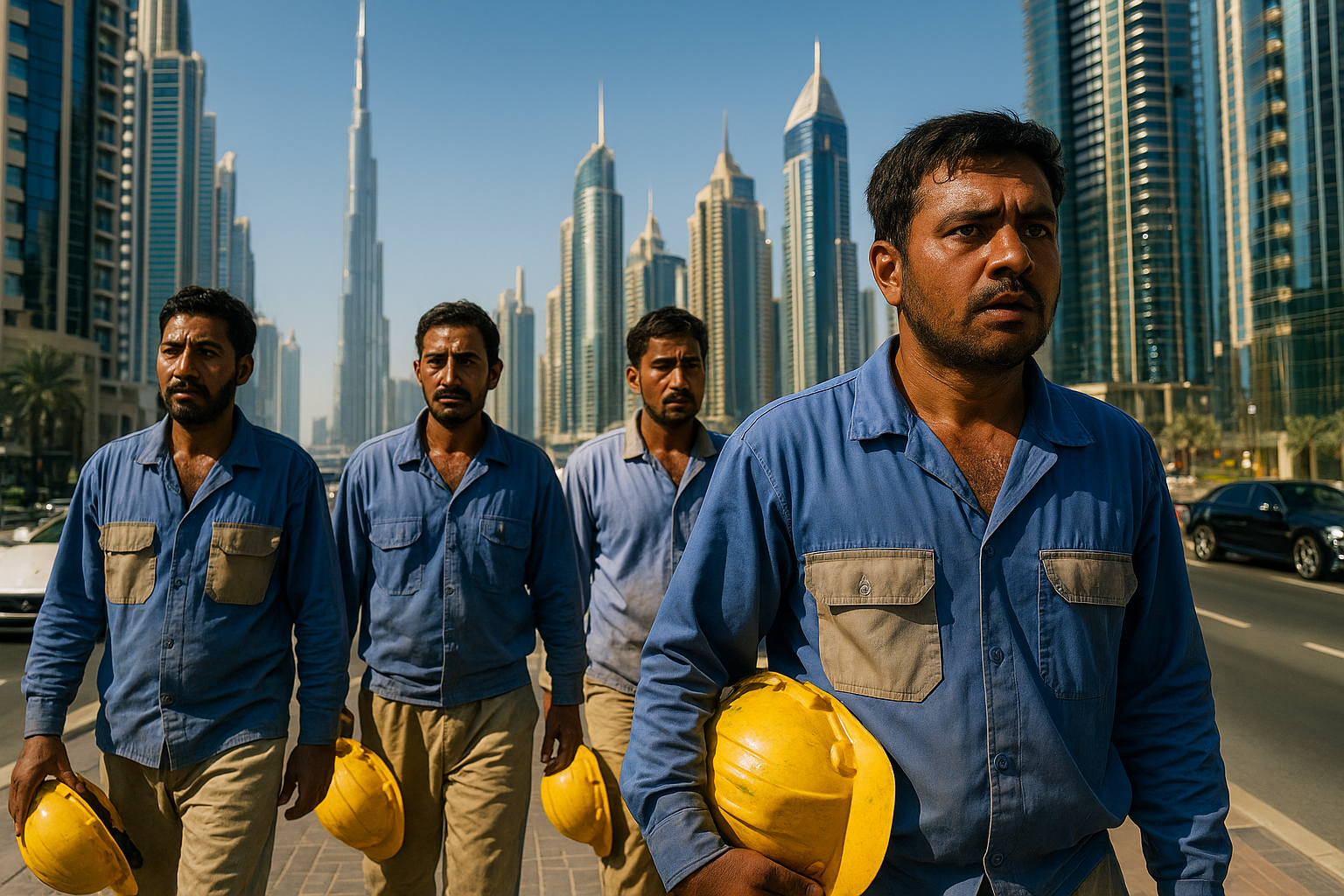

A Journey Begins: The Allure of Dubai
What compels individuals from diverse backgrounds to leave the comfort of their homeland in pursuit of a new life in Dubai? The answer lies in the remarkable blend of opportunity and allure that this modern metropolis offers. Dubai’s dazzling skyline, characterized by its towering skyscrapers and architectural marvels such as the Burj Khalifa, captivates the imagination of millions. The city presents a vision of prosperity that beckons both the ambitious and the hopeful.
As the sun rises over the Arabian Gulf, the vibrant colours of the buildings reflect a promise of success and wealth that resonates deeply within many. The luxurious lifestyles showcased in the seamlessly integrated high-end shopping malls, opulent hotels, and extravagant entertainment options paint a picture of the good life. From sampling gourmet cuisine in world-class restaurants to experiencing the thrill of desert safaris, the city offers a plethora of experiences that enhance its appeal.
Moreover, Dubai incorporates a unique melting pot of cultures, creating an environment that fosters diversity and inclusion. The fusion of global influences can be felt in its festivals, art, and daily life, making it a truly international hub. People are drawn to this tapestry of cultures, where they can forge connections and create new beginnings amid a fast-paced and evolving landscape.
However, the allure of Dubai extends beyond its stunning visuals and lavish lifestyle; it presents the promise of a brighter future for many striving to improve their living conditions. The potential for employment opportunities in various sectors, from hospitality to technology, enhances its appeal. As dreams take shape against the backdrop of this extraordinary city, the journey to Dubai becomes a transformative quest filled with hopes, aspirations, and the possibility of prosperity.
The Human Stories Behind the Dream
At the heart of Dubai’s rapid transformation lies a compelling tapestry of human stories, woven together by the aspirations and challenges of migrants from various corners of the globe. Many individuals flock to this city of innovation and opportunity, with dreams of improving their circumstances and providing better lives for their families. These dreams, however, are often tempered by harsh realities, creating a complex picture of life in the city.
Consider the plight of Sarah, a young woman from the Philippines who left her small village in search of employment. With her family’s financial struggles weighing heavily on her, she saw Dubai as a land of opportunity—a place where her skills as a nurse could be rewarded handsomely. Sarah’s initial excitement upon landing quickly faded as she faced the daunting tasks of finding suitable housing and a job that matched her qualifications. Despite securing a position, her long hours and minimal breaks left her exhausted, overshadowing her hopes for a brighter future.
Similarly, Ahmed, an engineer from Egypt, moved to Dubai with the intention of building a career. His journey began with dreams of working for a prestigious firm, yet bureaucracy and the pressure to perform flawlessly soon took a toll. Ahmed’s story reflects the intricacies of securing a work-life balance in a fast-paced environment that often demands unyielding dedication. As he struggles to navigate this cultural landscape, his memories of home and family become a source of comfort amidst the challenges he faces.
These personal narratives are just glimpses into the diverse experiences of migrants in Dubai. Many share similar aspirations, yet their journeys reveal the unique struggles they encounter in chasing their dreams. Through empathy and understanding, we gain insight into the multifaceted lives of those who contribute significantly to the city’s exceptional growth, reminding us that behind the glimmering skyline are real people with real stories.
Dubai’s Historical Context: A City of Contrasts
Dubai, once a modest fishing village along the Arabian Gulf, has undergone remarkable transformation over the past few decades. In the late 19th century, the settlement relied predominantly on fishing, pearl diving, and trading. However, the discovery of oil in the 1960s catalyzed an unparalleled economic boom, reshaping the very fabric of the city. The influx of wealth enabled infrastructural advancements, leading to modern skyscrapers, luxury hotels, and expansive shopping malls that symbolize Dubai’s status as a global metropolis.
This transformation inevitably attracted migrants from various parts of the world, seeking opportunities in construction, hospitality, and service sectors. The rapid urbanization created a complex socio-economic landscape where the lives of expatriates diverged significantly from that of Emirati nationals. The concept of “Dubai Dreams” often overshadows the harsh realities faced by many migrants who contribute to the city’s burgeoning economy. For numerous individuals, the dream of prosperity can quickly devolve into a nightmare, characterized by challenging living conditions, limited rights, and socio-economic vulnerability.
The migrant experience is intricately tied to Dubai’s immigration policies, which have been designed to meet labor market demands but often leave workers in precarious situations. The sponsorship system, known as “kafala,” binds workers to employers, creating an environment ripe for exploitation. Furthermore, the economic factors that drive migration patterns cannot be overlooked. As various regions face economic instability, Dubai’s allure as a hub of opportunity continues to foster migration. This influx invariably fuels the city’s growth while simultaneously intensifying the contrasts within its society, where affluence and adversity coexist in stark juxtaposition.
The Cultural Mosaic: Embracing Diversity
Dubai stands as a vibrant testament to the coexistence of a multitude of cultures, woven together to create a rich tapestry that defines the city’s identity. With over 200 nationalities represented, the cultural landscape is intricate, embodying a blend of traditions, languages, and customs. This diversity not only enriches the city but also fosters an atmosphere where celebrations and heritage are shared among communities.
Throughout the year, Dubai plays host to a variety of cultural festivals that reflect its global populace. Events such as the Dubai Shopping Festival and the Emirates Festival of Literature serve as platforms for diverse cultural expressions. Each festival highlights different communities, allowing for exhibitions of art, music, and dance that narrate unique cultural stories. For instance, the Chinese New Year is celebrated with extravagant parades and traditional performances, while Diwali lights up the city with colorful decorations and engaging festivities that draw crowds from various backgrounds.
Cuisine, an integral part of any culture, thrives in Dubai’s culinary scene. The city is peppered with restaurants offering authentic dishes from around the globe, from aromatic Indian curries to savory Middle Eastern mezze and delectable Asian street food. The annual Dubai Food Festival showcases this culinary diversity, showcasing food trucks, pop-up events, and cooking classes, providing a taste of the rich culinary heritage that the expatriate communities bring with them.
Daily interactions among the diverse populations in Dubai further contribute to a harmonious social fabric. Neighbors, colleagues, and friends often share their traditions during communal gatherings, fostering mutual respect and understanding. Such interactions illuminate how the migrant experience in Dubai is not merely about survival but about thriving in a multicultural environment. The shared stories and experiences of these individuals weave together, creating a dynamic and inclusive society that celebrates its diverse roots.
The Struggles Beneath the Surface
While Dubai is often portrayed as a land of opportunity and prosperity, the reality faced by many migrant workers starkly contrasts with this glamorous image. For countless individuals, the journey to Dubai is filled with hope for better economic prospects. However, once they arrive, many encounter a plethora of challenges that depict a much darker side of life in the city.
Exploitation is one of the most prevalent issues confronting migrants. Many workers are lured by the promise of well-paying jobs, only to find themselves in positions where their wages are drastically lower than expected, or worse, withheld altogether. Reports indicate that some employers take advantage of the workers’ vulnerable status, compelling them to sign contracts that do not reflect their actual pay or conditions. This exploitation can lead to a cycle of debt from recruitment fees, making it extremely difficult for migrants to seek justice or return home.
Moreover, living conditions for many of these workers are often deplorable. Overcrowded accommodations, lack of basic sanitation, and limited access to healthcare represent significant challenges faced by these individuals. Testimonies from migrants describe living in cramped quarters with multiple individuals sharing a single room, a situation that is far removed from the luxurious skyscrapers often advertised by the city. Such conditions contribute to mental and physical health issues, exacerbating the difficulties of their daily struggles.
Labor rights in Dubai are another critical concern, as restrictions often leave workers with limited means to voice their grievances. The lack of effective legal recourse can lead to a sense of helplessness among migrants, who may feel they are trapped in a system that prioritizes profit over human dignity. As the gap between the city’s opulence and the harsh realities of its workers widens, it becomes increasingly crucial to shed light on these underlying struggles and create awareness about the challenges faced by those who contribute significantly to the city’s development.
Personal Conversations: Voices of the Migrants
In the bustling streets of Dubai, behind the shimmering skyscrapers and extravagant malls, lies the untold story of countless migrants who have ventured to this city in search of a better life. One common thread in these narratives is the hope that brings them here. “I came to Dubai dreaming of a brighter future for my family,” shared Amir, a construction worker from India. “I believed this would be the place where we would thrive.” His words echo the aspirations of many who leave their homeland, leaving loved ones behind in pursuit of new opportunities.
Yet, amidst these dreams, fears often loom large. Sara, a domestic worker from the Philippines, recounts her struggles: “The first few months were overwhelming. The loneliness and the long hours made me question my decision.” These accounts highlight the emotional resilience required to navigate the challenges that accompany life in a foreign land. Migrants often face systemic hurdles, yet their determination remains unyielded. “I work hard so my children can have an education,” Sara states, a testament to her unwavering commitment.
However, the journey is not without its hardships. Many migrants encounter exploitation and discrimination. Rahul, a delivery driver from Pakistan, articulated this reality: “There are days when I work beyond my limit, and the pay is not fair. But what choice do I have? This is for my family.” These personal conversations unveil the intricacies of their experiences, drawing attention to the resilience that defines their lives in Dubai.
Ultimately, the narratives of these individuals do not merely serve as statistics. They showcase the human side of migration, emphasizing the complexities of dreams and realities that intertwine in this desert city. With every story, a deeper understanding of their everyday existence unfolds, captivating the listener and urging a reconsideration of the migrant experience.
Folktales and Dreams: Myths of Success
In many cultures, folktales serve as vessels of aspiration and dreams, particularly for those seeking better opportunities. In the context of Dubai, numerous myths encapsulate the hopes of migrants who envision a brighter future in this cosmopolitan oasis. One such tale revolves around the legendary “City of Gold,” a metaphorical representation of Dubai, where fortunes abound and dreams manifest. This mythos draws individuals from diverse backgrounds, all hoping to uncover their own treasures in a land of opportunity.
Another poignant story is that of the “Falcon and the Dreamer.” Traditionally, falcons symbolize strength and freedom in Emirati culture, representing the soaring ambitions of many immigrants. The tale tells of a Dreamer who, despite all odds, embarks on a journey to the falcon’s soaring heights. This narrative resonates deeply with migrants aspiring to rise above their challenging circumstances, guided by the belief that hard work and determination can lead them to success. For many, the plight of the Dreamer parallels their own challenges as they navigate the competitive landscape of Dubai.
These stories are not merely fiction; they reflect the reality of countless individuals who leave their homelands in pursuit of success. The hope is palpable among migrants as they often recount tales of perseverance and resilience stemming from their cultural backgrounds. The ethos of success in Dubai, woven into the fabric of local folklore, becomes both a source of inspiration and a motivational compass as newcomers strive for a better life. As these stories circulate among communities, they reinforce the narrative that dreams are not just fantasies, but achievable realities that can be pursued through tenacity and grit.
A Reflection on Progress and Policy
The rapid development of Dubai serves as a prominent example of modern urbanization and economic ambition. However, this progress often stands in stark contrast to the lived experiences of its migrant population, which constitutes a significant portion of the labor force. The ongoing debates surrounding migration and labor rights in Dubai highlight a complex interplay of growth and the challenges faced by those who drive this success. As the city transforms into a global hub, it becomes imperative to critically evaluate the implications of its policies on migrant workers.
Migrants form the backbone of Dubai’s labor market, contributing to various sectors, from construction to hospitality. Despite their vital role in shaping the city’s skyline and economy, many find themselves at the mercy of policies that undermine their rights and welfare. Issues such as labor exploitation, limited rights to remain, and inadequate access to legal protections create an environment of vulnerability. Ongoing reforms in labor laws raise questions regarding the effectiveness of such measures and whether they genuinely provide adequate protections for the workers they aim to support.
As Dubai seeks to solidify its reputation on the global stage, embracing an inclusive approach to labor rights could foster a more equitable society. Policy changes focusing on migrant welfare—such as improved working conditions, fair wages, and access to essential services—are crucial in recognizing the substantial contributions migrants make to the economy. Additionally, cultivating a culture of compassion and understanding toward the challenges faced by migrants could reshape perceptions and promote a more positive narrative around their presence in the city.
In conclusion, the future of migrants in Dubai hinges on ongoing discussions and actions pertaining to labor rights and policy changes. A balanced approach that acknowledges both progress and the complex realities faced by migrants will not only enrich the lives of these individuals but also strengthen the social fabric of the community. Recognizing their contributions can serve as a catalyst for a more inclusive and sustainable future in this vibrant metropolis.
Takeaway: Bridging Dreams and Realities
The stories of migrants in Dubai encapsulate a complex interplay between dreams and harsh realities. Many individuals and families embark on journeys filled with hope, driven by aspirations of a better life. They envision Dubai as a land of opportunity, where hard work can transform lives and fulfill aspirations. However, the accounts shared also unveil the challenges that often overshadow these dreams. Migrants frequently encounter a multitude of obstacles, from cultural adjustments and economic hardships to systemic inequalities. These experiences reflect the duality of human ambition and resilience.
As we reflect on these narratives, it is essential to recognize the shared human experience that transcends borders. Migrants, regardless of their origins, possess dreams that resonate with universal themes: family, security, and the pursuit of happiness. Their stories serve as a reminder that the quest for a better life is not exclusive to a single demographic; it is a global phenomenon that highlights our collective struggle and aspirations. By acknowledging these diverse experiences, we can foster empathy and solidarity, encouraging dialogue around the socio-economic factors that contribute to migration patterns.
The juxtaposition of hope and hardship emphasizes an inherent truth: migration often embodies a spectrum of experiences. It challenges us to confront the realities faced by many who leave their homes in search of opportunities. Pondering the narratives of these migrants invites readers to reflect on their own perceptions and assumptions about migration. In a world increasingly interconnected, the challenges faced by one group resonate widely, urging us to find common ground. The next time we hear a migrant’s story, perhaps we can listen more deeply and reflect on the shared dreams and struggles that unite us all.
Visual Insights: A Video Journey
To truly grasp the complex narrative surrounding migrants in Dubai, it is invaluable to engage with visual content that encapsulates their experiences. The following embedded video offers a compelling glimpse into their daily lives, aspirations, and challenges, fostering a deeper understanding of what it means to seek a better future in this vibrant yet challenging city. As the visuals unfold, they create an emotional connection, rendering the narratives more poignant and relatable.
The juxtaposition of the stunning skyline against the backdrop of migrant workers’ realities serves not just as a striking visual representation but as a profound commentary on the disparities existing within this bustling metropolis. In the video, migrants share their personal stories—highlighting moments of joy, despair, resilience, and, at times, exploitation. Each story is a testament to the human spirit, carrying messages of hope and determination that transcend cultural barriers.
As viewers navigate through the video, the heart-wrenching imagery and sincere testimonies allow for an immersive educational experience. This visual journey goes beyond statistics and data, offering a narrative depth that resonates on a personal level. The intersection of stunning visuals and poignant stories enhances the audience’s comprehension of the multifaceted realities faced by migrants in Dubai.
By engaging with this video, viewers will not only witness the struggles and achievements of migrants but also reflect on the broader implications of their contributions to Dubai’s economy and culture. Therefore, it is encouraged that readers take the time to watch this footage, as it significantly enriches the narrative explored in this blog post, creating a more holistic understanding of the migrant experience in Dubai.