
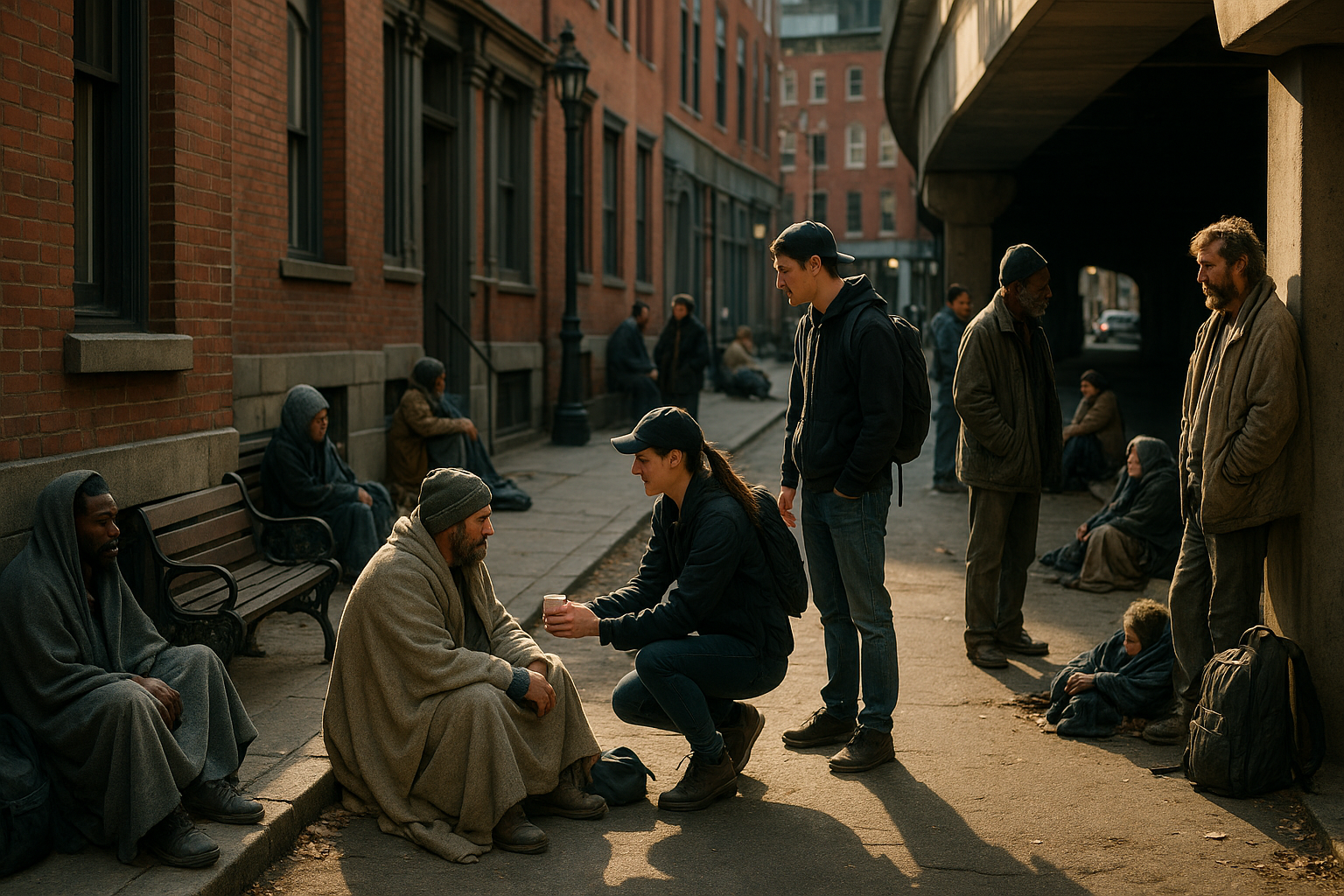

Introduction: A Provocative Question
As one of America’s oldest cities, Boston is often synonymous with rich history, academic excellence, and vibrant culture. Yet, beneath its storied facades and bustling streets lies a profound and often overlooked issue: homelessness. How is it that a city renowned for its wealth and educational institutions also grapples with a significant population of individuals experiencing homelessness? This question unveils the deeper narrative of a crisis that, while frequently hidden from public eyes, impacts many lives and raises critical social concerns.
In Boston, the challenges of homelessness are not merely the result of personal misfortune but the product of systemic factors such as economic disparity, lack of affordable housing, and inadequate mental health services. By exploring the underlying causes that propel individuals into this vulnerable state, we gain insight into the multifaceted nature of homelessness in the city. Furthermore, the juxtaposition of Boston’s historical wealth against its present social struggles commands an urgent examination of societal responsibilities.
A Historical Context: The Roots of Homelessness in Boston
Boston, one of the oldest cities in the United States, has a complex history that has significantly shaped its present homelessness crisis. Founded in 1630, the city underwent considerable political and economic changes, especially during the Industrial Revolution. This period witnessed a massive influx of immigrants seeking better opportunities, leading to burgeoning neighborhoods that often lacked adequate housing and infrastructure. As factories proliferated, the needs of a growing labor force often went unmet, giving rise to overcrowded tenements and abject poverty, which laid the foundation for future homelessness.
The Great Depression in the 1930s further exacerbated the homelessness situation. With widespread unemployment impacting families across socioeconomic spectrums, many were forced into shelters or lived on the streets. Personal accounts from this era paint a picture of desperation, as individuals struggled to secure basic necessities, revealing the human side of socioeconomic disparity in Boston. Efforts during this time to provide relief were significant but ultimately insufficient to address the systemic issues at play.
In the latter half of the 20th century, the advent of urban renewal projects aimed to revitalize declining neighborhoods often resulted in displacement rather than improvement. Families who lived in areas marked for redevelopment were frequently uprooted without adequate housing solutions, illustrating a cycle of marginalization that has perpetuated over the decades. The subsequent economic downturn of the 1970s brought about further challenges, leading to a stark rise in homelessness rates across the city.
Moreover, the deinstitutionalization movement of the 1980s, while well-intentioned, led to a significant increase in individuals with mental health issues navigating life without proper support systems, contributing to the visible homelessness crisis in Boston. These historical developments underscore how the city’s political, economic, and social frameworks collectively created an environment where homelessness could flourish. Understanding this historical context is crucial in addressing the pervasive challenges faced by the homeless population today.
The Faces of Homelessness: Real Stories and Experiences
In the bustling streets of Boston, beneath the grandeur of historic buildings and the charm of cobblestone paths, lie the often unseen faces of homelessness. Each individual has a unique story, representing a tapestry of diverse experiences that paint the true picture of this pervasive issue. For many, life took an unexpected turn due to a series of unfortunate events. Financial instability, health crises, and family disruptions have led them down paths they never envisioned.
Take John, a former teacher whose passion for education was overshadowed by a sudden illness that depleted his savings. Struggling with mounting medical bills, he lost not just his job, but also his home. His story resonates with many who find themselves on the streets, illustrating how fragile our circumstances can be. Similarly, Maria, a single mother of two, became homeless after escaping an abusive relationship. Her desire to protect her children from harm pushed her into uncertain circumstances, showcasing the often hidden bravery of individuals facing dire situations.
Not all stories stem from personal tragedy, as some individuals face systemic issues that contribute to their plight. For instance, Kevin had secured a stable job, but when the affordable housing crisis hit, he was unable to maintain his rent payments within a still-volatile market. The complexity of homelessness in Boston reflects not only personal narratives but broader societal shortcomings as well.
These narratives are just a glimpse into the myriad of experiences that compose the face of homelessness in Boston. They remind us that behind the statistics are real people, each deserving of empathy and understanding. It is crucial to shift our perspective from viewing homelessness solely through a lens of statistics to recognizing the human stories that demand attention and compassion.
Cultural Reflections: Boston’s Identity and Its Paradoxes
Boston, a city renowned for its rich history, vibrant cultural scene, and educational institutions, presents a multifaceted identity that simultaneously celebrates its past while grappling with present challenges. This cultural dichotomy is vividly illustrated through the juxtaposition of Boston’s historic charm and the pressing issue of homelessness that lingers beneath its vibrant surface. As a cradle of American independence, art, and academia, Boston promotes a narrative of progress and opportunity; yet, this narrative is often clouded by the stark reality faced by its homeless population.
The picturesque streets, adorned with colonial architecture and flourishing urban parks, evoke a sense of nostalgia that many associate with civic pride. However, this romanticized view can obscure the systemic problems stemming from economic disparities, housing shortages, and inadequate support systems for vulnerable individuals. Homelessness, characterized by its complexity and varied manifestations, exists in stark contrast with the city’s otherwise thriving cultural identity, leading to a paradox that demands attention and action.
Furthermore, Boston’s dynamic arts scene and active community engagement often focus on uplifting voices and experiences that may unintentionally sidestep the narratives of those experiencing homelessness. Paradoxically, this vibrant atmosphere can create an illusion that the city is untouched by the struggles of its less fortunate residents. Art and culture play crucial roles in this narrative by offering platforms for discussion and awareness; however, a deeper understanding of the intersection between Boston’s cultural prominence and its social challenges is necessary to foster a more inclusive environment.
Recognizing this duality not only frames the conversation around homelessness but serves as a reminder that while Boston embodies historical pride and success, the city must confront the harsh realities that continue to affect a significant portion of its population. Addressing these paradoxes is essential in forging connections that can lead to meaningful change.
Modern Day Struggles: Statistics and Current Landscape
As of October 2023, the landscape of homelessness in Boston presents a pressing crisis that eludes the awareness of many. Recent statistics indicate that approximately 2,500 individuals experience homelessness on any given night in the city. This figure encompasses various demographics, including families with children, veterans, and unaccompanied adults, with an alarming increase seen in the proportion of women facing homelessness. The emotional toll of these numbers reflects an array of lived experiences that demand attention.
The city has documented over 1,000 families in emergency shelters, a testament to the growing number of households experiencing housing instability. Many of these families are often trapped in a cycle of poverty, struggling with insufficient income, rising rent costs, and a lack of affordable housing options. The Boston Housing Authority reported that the waitlist for subsidized housing has reached significant lengths, exemplifying the difficulties faced by low-income residents seeking a stable living situation.
Additionally, mental health and substance use disorders remain prevalent among the homeless population, complicating their struggle for stability. City services have noted a concerning rise in the percentage of individuals requiring support for mental health issues, with around 30% of the homeless population identified as living with a mental illness. This reality reminds us that homelessness is not just a matter of lacking shelter; it often intertwines with complex social and health-related challenges that exacerbate individuals’ situations.
Furthermore, the COVID-19 pandemic has intensified these struggles, leading to job losses and increased economic hardship for many residents. As federal and state resources begin to dwindle, the repercussions are felt sharply within the community, highlighting an urgent need for a comprehensive approach that addresses the systemic issues underpinning homelessness.
Community Responses: Activism and Support Networks
Boston has long been a city of historical significance and vibrant culture, yet beneath its picturesque surface lies a pressing issue—homelessness. Local organizations, community leaders, and activists are stepping up to address this crisis, showcasing both innovative strategies and heartfelt dedication. These entities work tirelessly to combat homelessness, with initiatives designed to provide immediate support while fostering long-term change.
One notable organization is the Boston Health Care for the Homeless Program (BHCHP), which addresses not only the healthcare needs of the homeless population but also focuses on their overall well-being. They provide vital medical services, mental health support, and substance abuse treatment, tailored to the unique challenges faced by individuals experiencing homelessness. Their commitment to personalized care reflects a broader understanding of the issue, emphasizing that effective solutions must consider the diverse needs of this population.
Another significant contributor is the Pine Street Inn, which has been serving Boston’s homeless community for decades. They offer shelter, housing assistance, and job training programs, all designed to transition individuals out of homelessness and into stable living situations. Their comprehensive approach demonstrates how providing a safe space can be the first step toward recovery and reintegration into society.
Activists, such as those from the Massachusetts Coalition for the Homeless, engage in grassroots efforts to raise awareness and advocate for policy changes. They mobilize community members to address systemic issues affecting housing stability, pushing for legislative reforms that promote affordable housing initiatives. Events such as vigils and advocacy days not only educate the public but also foster a strong sense of community among those committed to enacting change.
Together, these organizations and individuals illustrate the power of community involvement in addressing homelessness. Their collective efforts highlight the importance of collaboration and the profound impact that support networks can have on fostering resilience and hope within the homeless population in Boston.
The Role of Policy: Governmental Solutions and Limitations

The complex issue of homelessness in Boston can be significantly influenced by local and federal policies aimed at addressing the crisis. Various initiatives have been employed over the years, yet the effectiveness of these measures remains variable, often revealing both strengths and shortcomings. Recent policy changes have often targeted shelter availability, housing-first models, and increased funding for supportive services. For instance, the city’s shift towards a housing-first approach emphasizes providing permanent housing as a primary method of reducing homelessness. According to Dr. Elizabeth Anderson, a public policy expert, “Housing-first initiatives have demonstrated a proven track record in improving stability among homeless individuals, but they must be properly funded and supported.”
Nonetheless, the interplay of policy and homelessness is fraught with limitations. Funding cuts and bureaucratic hurdles can prevent programs from meeting the needs of the community. For example, during the COVID-19 pandemic, temporary shelter solutions provided immediate relief but lacked long-term viability. As noted by Andrew Smith, a community outreach coordinator, “While emergency responses are crucial, they often fail to address the underlying issues that perpetuate homelessness, such as mental health and addiction services.”
Furthermore, policies targeting affordable housing development encounter obstacles related to zoning laws and community pushback. The need for broader coalitions and stakeholder engagement is critical to navigating these challenges. Politicians may implement policies aimed at alleviating homelessness, but without comprehensive planning and collaboration with social service agencies and community organizations, these measures can fall short.
In conclusion, while Boston has made strides through various policies aimed at combating homelessness, significant limitations still exist. Ongoing evaluation and innovation in policy-making are essential to effectively address the root causes of homelessness and achieve long-lasting solutions in the city.
Bridging the Gap: What Can We Do?
Addressing the complex issue of homelessness in Boston necessitates a multifaceted approach, and individuals play a crucial role in driving meaningful change. One of the most impactful avenues is through volunteering. Numerous organizations such as shelters, food banks, and outreach programs are constantly in need of dedicated individuals willing to lend support. By participating in these initiatives, you can provide immediate assistance and gain firsthand insight into the challenges faced by those experiencing homelessness. Volunteering not only benefits the community but also fosters empathy and understanding, which are essential in shifting societal perceptions about homelessness.
Advocacy represents another powerful means of contributing to the fight against homelessness. Individuals can engage with local and state policymakers by advocating for policies that enhance affordable housing options, mental health services, and job training programs. By participating in community forums, writing to elected officials, or joining advocacy organizations, your voice can influence change at a systemic level. It is also effective to raise awareness among your social circles about homelessness, helping to destigmatize the issue and promote a more compassionate community. Educating others about the causes and realities of homelessness is vital in fostering understanding and empathy.
Moreover, donating resources is an effective way to bridge the gap for those affected by homelessness. This can include financial contributions to reputable organizations, clothing drives, or food donations. Coupled with your efforts to encourage others to contribute, these actions can have a significant impact. Additionally, considering the way in which homelessness is often perceived is essential; breaking down stereotypes and recognizing the dignity in every individual is vital for creating a supportive environment.
As we strive to tackle Boston’s hidden crisis, collaborative efforts at the grassroots level can lead to transformative outcomes for individuals and communities alike.
Reflection: Connecting History to Today
The historical tapestry of Boston is rich and multifaceted, reflecting a unique intersection of progress and adversity. While the city is celebrated for its pivotal role in the American Revolution and its achievements in academia, medicine, and culture, there exists a disconcerting shadow that has persisted through the ages: homelessness. Understanding Boston’s hidden crisis requires us to delve into its historical context, acknowledging how past policies, societal attitudes, and economic transformations have perpetuated, rather than resolved, the plight of the homeless population.
Historically, the approach toward the homeless situation in Boston has shifted, influenced by various socio-political climates. From the colonial era, where poverty was often deemed a moral failing, to the 20th-century progressive movements aiming to address systemic inequities, the city has grappled with finding sustainable solutions. This historical lens is vital, as it invites a deeper contemplation on the responsibilities of current and future generations. It compels us to analyze not only the circumstances that led to the current crisis but also our responses as a community and society at large.
As we reflect on the narratives of those affected by homelessness in Boston—a reality that many may overlook—we are urged to foster empathy and a sense of responsibility. The lessons learned from the past call for an engaged populace that is willing to confront uncomfortable truths and advocate for effective change. Addressing homelessness is not just a humanitarian issue; it is a moral imperative that demands our collective attention and action. By connecting historical trends to contemporary challenges, we can cultivate a more compassionate society, recognizing that the fight against homelessness is a shared responsibility that transcends mere charity; it is about justice and equity for all members of our community.
Visual Insights: A Multimedia Experience
To truly comprehend the magnitude and intricacies of homelessness in Boston, it is essential to engage with the stories and realities that are often obscured by statistics. Our comprehensive exploration includes an embedded video, designed to provide a visual narrative that complements the written insights. This multimedia component is pivotal in conveying the human aspect of homelessness, offering a raw and honest portrayal of those affected by this crisis.
The video immerses viewers in the everyday experiences of individuals who are grappling with homelessness in Boston. It brings forth their diverse backgrounds, challenges, and aspirations, thus adding significant depth to the otherwise abstract figures and data associated with homelessness in America’s historic city. By visually capturing the emotions and circumstances of these individuals, the video enables viewers to foster empathy and understanding, making the crisis resonate on a personal level.
In addition to personal stories, this visual medium emphasizes the systemic issues contributing to homelessness. Viewers can witness firsthand the interactions within shelters, community resources, and city responses to the ongoing crisis. Seeing these scenarios unfold helps to contextualize the broader socio-economic factors that inform the current state of homelessness in Boston. This is a crucial step towards not only acknowledging the issue but also considering actionable solutions.
Overall, this multimedia experience serves as a powerful tool, enhancing the narrative of homelessness in Boston. It bridges the gap between statistics and lived experiences, urging viewers to reflect on their perceptions and the societal responsibilities towards those experiencing homelessness. Through this engagement, we hope to inspire a deeper commitment to understanding and addressing homelessness in our communities.