


A Journey into Darkness: What Lies Behind CECOT’s Walls
What truly lurks behind the imposing walls of the Centro de Confinamiento del Terrorismo (CECOT), the world’s largest maximum-security prison? This facility, located in El Salvador, has garnered a reputation steeped in rumors, fear, and fascination. Often described as a fortress of despair, it has become emblematic of the country’s struggle against crime and violence. As the gates close behind you, the air thickens with a palpable tension, one that prompts questions about the nature of justice and punishment in modern society.
The sheer scale of CECOT is intimidating. Designed to accommodate over 40,000 inmates, its massive structure towers over the landscape, a grim reminder of the state’s efforts to combat gang violence. Each cellblock echoes with tales of lives lost and spirits broken, offering a chilling reminder of the realities many face within these walls. The prison’s architecture and design are not merely utilitarian; they evoke a sense of entrapment, creating an atmosphere where hope struggles to survive amidst despair.
What is often shrouded in mystery are the daily realities of life inside CECOT. Inmates are housed in bleak, overcrowded conditions, where access to basic amenities can feel like a distant dream. Rumors circulate about the harsh treatment they endure, yet the complex relationship between society and the penal system reveals a deeper narrative—one of systemic issues that extend far beyond the prison itself. This journey into darkness serves not only to illuminate the challenges faced by inmates but also to reflect societal attitudes towards crime, punishment, and rehabilitation.
As we delve deeper into the heart of CECOT, the echoes of its past mingle with the present, raising critical questions about what it means to be incarcerated in one of the most notorious institutions in the world. What will we uncover as we wade through the shadows of this fearsome establishment? Only time will reveal the true story behind CECOT’s formidable façade.
A Historical Perspective: The Rise of CECOT
The Centro de Confinamiento del Terrorismo (CECOT), known as one of the largest maximum security prisons globally, was established in El Salvador as a direct response to the escalating crime rates that have plagued the country for decades. The rise in gang violence, particularly from infamous groups such as MS-13 and Barrio 18, prompted the government to seek innovative measures to contain this severe social issue. In the early 2010s, El Salvador experienced one of the highest homicide rates in the world, with an average of over 100 murders per 100,000 inhabitants annually. This alarming trend raised substantial concerns within national and international communities.
Amid such dire statistics, the Salvadoran government initiated discussions around the need for a facility that could not only accommodate a large number of inmates but also maintain stringent security measures. Plans for CECOT began taking shape around 2018, envisioned as a specialized prison solely for housing gang leaders and members convicted of serious offenses. The belief was that isolating these individuals would disrupt gang operations and provide the state with better control over the criminal elements pervading society.
The construction of CECOT was part of the broader “Mano Dura” (Iron Fist) policy, a tough stance on crime adopted by successive Salvadoran governments. Officially opened in 2023, CECOT can detain over 40,000 inmates. This massive facility represents a significant state investment aimed at improving public safety and restoring order. Yet, the establishment of such a prison raises complex questions about human rights, overcrowding, and the effectiveness of punitive measures versus rehabilitative approaches to crime in El Salvador.
Design and Architecture: A Fortress of Containment
The Centro de Confinamiento del Terrorismo (CECOT) in El Salvador, envisioned as a symbol of extreme correctional measures, embodies a formidable blend of architectural ingenuity and stringent security protocols. Its design features stark, austere lines and a massive footprint that instills a sense of intimidation. The sheer scale of CECOT, which houses thousands of inmates, reveals a philosophy focused on both physical containment and psychological control. With high concrete walls rising significantly above eye level, the structure resembles a modern fortress, reflecting the severity of the offenses committed by those within.
As one approaches the prison, the formidable outer walls create an imposing barrier, suggesting a clear demarcation from the outside world. Strategically positioned watchtowers equipped with state-of-the-art surveillance technologies loom over the facility, ensuring comprehensive monitoring of the prison grounds. These security features are complemented by fortified gates and an intricate system of barriers that make unauthorized entry nearly impossible. The architectural blueprint incorporates solitary confinement units designed to isolate individuals deemed particularly dangerous, reinforcing the institution’s commitment to security.
Internally, CECOT’s design is equally revealing, featuring a stark contrast between communal and solitary spaces that profoundly influences inmate behavior. The spacious, sterile common areas are intentionally austere, devoid of any embellishments, to evoke a sense of desolation. This design choice serves not only to deter potential misconduct but also shapes the daily lives of inmates, often leading to feelings of hopelessness. The absence of natural light in certain areas further amplifies this oppressive atmosphere, marking the psychological barriers that the facility imposes on its inhabitants.
Overall, the architecture of CECOT is not merely a construction of concrete and steel; it embodies a philosophy of control through design. The combination of its formidable structure and austere interiors creates a chilling environment intended to deter crime and instill a sense of despair among inmates, solidifying its status as one of the world’s largest maximum security jails.
Life Inside CECOT: The Day-to-Day Reality of Inmates
Inmates at the Centro de Confinamiento del Terrorismo (CECOT) in El Salvador experience a unique and challenging daily life that reflects both the harsh reality of maximum security imprisonment and the resilience of the human spirit. With its overcrowded conditions, CECOT houses thousands of detainees, many of whom are involved in gang-related crimes. Daily routines often begin early, as inmates rise with the sun and adhere to a strict schedule dictated by prison authorities.
The daily life of an inmate typically revolves around a series of monotonous activities, including meals, exercise, and mandatory work assignments. Meals are often sparse and repetitive, consisting mainly of rice and beans, which leads many inmates to improvise their diets using whatever resources they can muster. This scarcity not only impacts their physical health but also presents a mental challenge, as they find ways to cope with hunger and limited access to nutritional food.
Physical exercise serves as an essential outlet for many inmates, allowing them to maintain their health and camaraderie with fellow prisoners. Exercise routines vary, with some engaging in improvised calisthenics while others play soccer or other sports during designated recreation times. For prisoners, this brief interaction serves as a form of escape from the confines of their reality, allowing them to build connections and support networks vital for their mental well-being.
Conflict management is a constant part of life inside CECOT, as tensions can flare due to overcrowding or rival gang affiliations. Inmates must navigate alliances and burdens, understanding the implicit rules governing their interactions while carefully avoiding potential conflicts. Some long-term inmates serve as mentors for newcomers, sharing knowledge and survival tactics that can help them endure the complexities of prison life.
Despite the grim surroundings, moments of humanity persist within the prison walls. Inmates often organize informal events, such as music sessions or storytelling nights, to foster a sense of community and provide mental relief. Personal anecdotes reveal stories of resilience, friendship, and hope amidst adversity, underscoring the conflicts and struggles while also highlighting the innate human will to survive and forge connections, even in the most perilous circumstances.
The Impact on Families: Echoes Beyond the Prison Walls
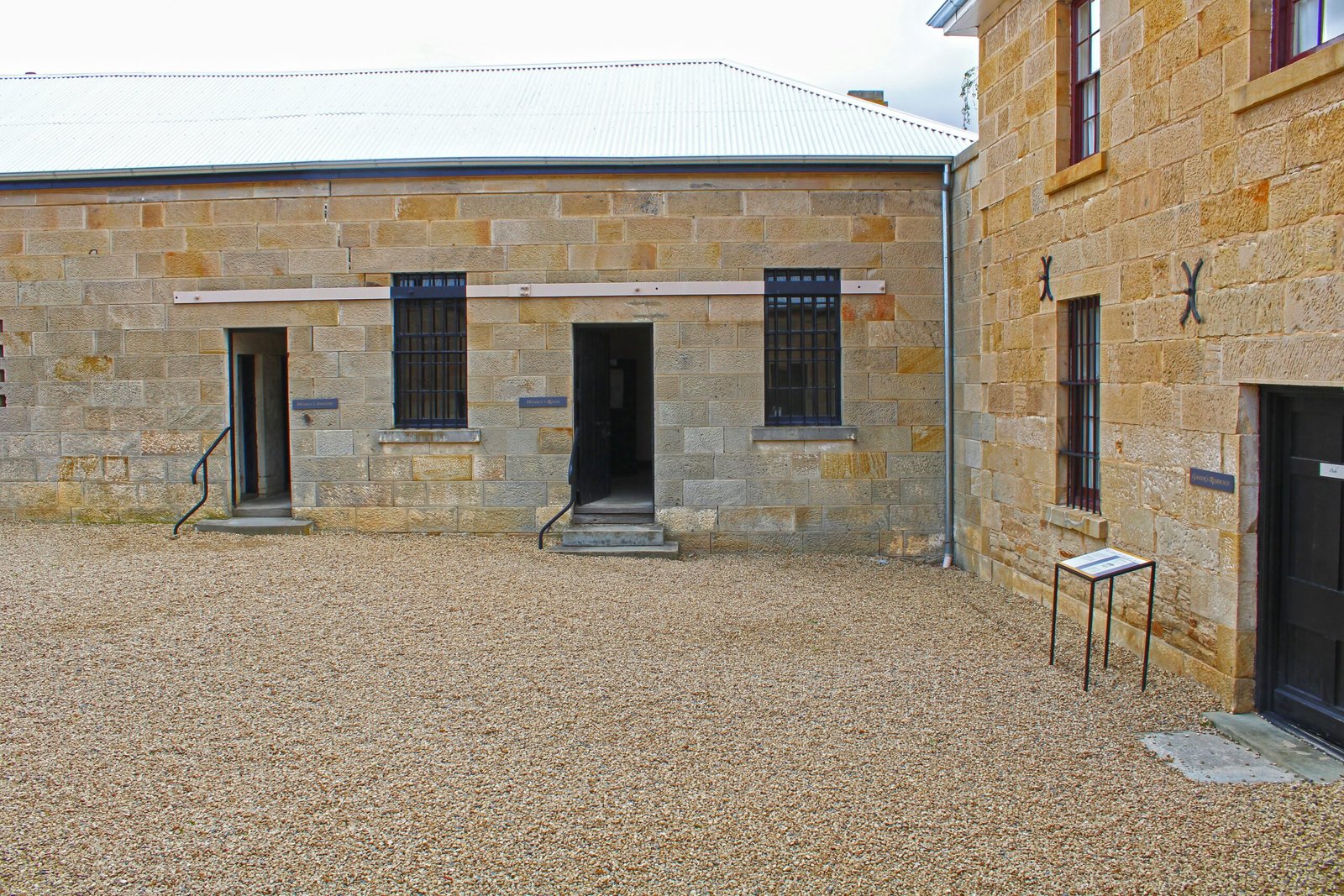
In the heart of El Salvador, the construction of the Centro de Confinamiento del Terrorismo (CECOT) symbolizes a drastic shift in the country’s approach to crime and punishment. However, beyond the imposing walls of this maximum security facility lies a painful narrative: the families of inmates who are left to navigate a complex web of emotional and social repercussions. For many of these families, life changes dramatically upon incarceration. The absence of a father, mother, or sibling creates a void that reverberates throughout their daily lives.
Psychologically, the emotional toll on the families can be overwhelming. Spouses often grapple with feelings of shame and isolation, while children may suffer from the stigma associated with having an incarcerated parent. This can lead to feelings of abandonment and resentment, as societal judgment often falls harshly on the families of those imprisoned. Furthermore, the psychological distress can manifest in various forms, such as anxiety or depression, hindering their ability to function normally in society.
In addition to psychological strain, these families face significant social implications. Economic hardship frequently follows incarceration, as the primary breadwinner is removed from the household. This loss can plunge families into financial instability, compelling them to rely on social assistance or the labor of other family members, which may not be enough to sustain them. Community dynamics also shift; once strong support networks can deteriorate under the weight of social stigma, isolating families even further.
Yet, amidst this adversity, resilience often emerges. Many families unite in support of one another, forming bonds that can help them navigate the challenges brought on by incarceration. Community organizations have begun to address these issues, providing resources and support systems that allow families to cope and heal. Ultimately, the impact of CECOT extends far beyond its walls, reverberating throughout families and communities and underscoring the importance of recognizing the human aspects of incarceration.
Voices from the Inside: Interviews with Former Inmates
The experiences of former inmates from CECOT, El Salvador’s Mega Prison, provide invaluable insights into life within its confines. Through personal conversations, these narratives illuminate the harsh realities of incarceration. One former inmate recounts his journey, highlighting the daily struggle for survival amidst overcrowded conditions and scarce resources. He speaks of moments filled with despair, echoed by the relentless weight of guilt and regret over past decisions. This deep reflection serves as a poignant reminder of the consequences that lead individuals to such a maximum security environment.
Another inmate shared a story of unexpected camaraderie formed in the bleakness of prison life. Despite the unsettling environment, friendships blossomed, offering occasional solace from the harsh realities of confinement. Together, they forged a support system essential for maintaining their mental well-being. This aspect of their existence fosters empathy, reminding us that even behind prison walls, human connections can develop, albeit in unforgiving circumstances.
The lessons learned during their time in CECOT resonate deeply. Many former inmates express a newfound awareness of their life choices, often acknowledging that their past behavior was influenced by external circumstances and a lack of opportunity. The desire for redemption emerges prominently, with several individuals advocating for change not just within themselves, but within the broader societal framework that often fails them. These reflections encourage readers to reconsider preconceived notions about inmates, urging a more empathetic perspective towards those impacted by the justice system.
As the narratives unfold, they shine a light on hope, resilience, and the potential for transformation. Former inmates emphasize the importance of rehabilitation and education in shaping a more positive future. By sharing their experiences, they foster an understanding that extends beyond their time in CECOT, revealing a complex reality that merits compassion and thoughtful consideration.
Cultural Reflections: Folktales and Myths Born from CECOT
The establishment of the Centro de Confinamiento del Terrorismo (CECOT) in El Salvador has not only reshaped the landscape of incarceration but has also given rise to various cultural narratives and folktales that reflect societal attitudes toward crime and punishment. As one of the world’s largest maximum-security jails, CECOT has become a focal point for the fears and aspirations of the Salvadoran populace, leading to the creation of several myths and legends surrounding its presence.
One prevalent folktale revolves around the ghostly figures that are said to haunt the perimeter of CECOT. According to local lore, these apparitions manifest as lost souls of those who have suffered within the prison’s confines. Many believe that these spirits serve as cautionary symbols, warning the youth of the dire consequences of crime and gang-related activities. This tale not only instills fear but also underscores the cultural perception of punishment as a fate worse than death, reflecting societal morays concerning criminality.
Another prominent myth tells of a mythical figure known as “El Juez” (The Judge), who purportedly roams the halls of CECOT at night. This figure is said to dispense vigilante justice upon those who have wronged the innocent, effectively blurring the lines between legal and extrajudicial punishment. El Juez has become emblematic of the desire for justice among citizens who feel inadequately protected by legal systems. This mythologized embodiment of justice serves as a reflection of the community’s frustrations and their search for moral clarity in a landscape marred by violence.
Furthermore, the tales emerging from CECOT highlight an intricate relationship between folklore and the lived experiences of countless individuals impacted by crime and incarceration. They present a lens through which the fears, hopes, and societal values of El Salvador can be analyzed, showcasing how narratives can evolve in response to the existence of institutions such as CECOT.
Looking Ahead: The Future of CECOT and Penal Reform in El Salvador
The establishment of the Centro de Confinamiento del Terrorismo (CECOT) marks a significant development in El Salvador’s approach to crime and punishment. As the largest maximum-security prison worldwide, CECOT aims to address the country’s escalating gang violence crisis. However, while the institution promises to confine notorious criminals effectively, it raises important questions about the future of penal reform in the region. Indeed, the very existence of such facilities speaks to a prevailing attitude towards mass incarceration, which may not necessarily align with modern penitentiary practices focusing on rehabilitation.
As discussions around CECOT evolve, there is a growing need to explore alternative solutions to mass incarceration. These alternatives might include community-based programs, restorative justice initiatives, and enhanced mental health services. Such approaches could prioritize rehabilitation over punishment, fostering an environment where individuals are not merely removed from society but also given the tools necessary to reintegrate successfully. By shifting the narrative from punishment to support, the emphasis would be placed on reducing recidivism rates, promoting social cohesion, and, ultimately, improving public safety.
Moreover, the implementation of reforms within CECOT could serve as a model for how inmates are treated across the penal system. International human rights standards must be upheld to ensure that prisoners are not subjected to inhumane conditions. Encouraging an open dialogue regarding the efficacy of facilities like CECOT can prompt a broader exploration of justice and human rights that envelops not only the prisoners but also the communities they affect. By critically analyzing the capacity of CECOT and similar establishments, stakeholders can bring to light the urgent need for a justice system that favors restoration over retribution. This paradigm shift is essential to fostering a more equitable society in El Salvador.
Reflecting on Humanity: Insights from CECOT’s Narrative
The establishment of CECOT, as the world’s largest maximum-security facility, offers a profound reflection on societal constructs surrounding justice, punishment, and rehabilitation. The very existence of such a facility provokes critical discussions on the efficacy of incarceration as a means of resolving conflict and the inherent value of human lives, regardless of their past choices. This innovative yet controversial approach to criminal justice invites us to confront uncomfortable truths about human behavior and the capacities for change.
Central to the narrative of CECOT is the interplay between redemption and societal judgment. The individuals housed within its walls carry stories that often reveal a complex interplay of systemic issues, including poverty, lack of education, and social marginalization. As we delve into these narratives, it becomes evident that many inmates are products of their environment, raising questions about the societal structures that enable criminal behavior. This insight urges us to consider whether a punitive approach is the most effective way to address crime, or if a paradigm shift toward rehabilitation might offer more humane and constructive solutions.
Moreover, the exploration of CECOT encourages a broader contemplation of our roles as members of society. It challenges us to think critically about how we address the needs of marginalized communities and the importance of restorative justice practices. By recognizing the humanity within those whose actions have led them to maximum security, we can foster a dialogue about compassion, understanding, and the potential for transformation. This narrative constitutes an invitation to reflect on how we define justice and who deserves a chance at redemption.
In conclusion, the insights gleaned from CECOT illuminate significant aspects of the human experience, compelling us to ponder not only the lives of those within its confines but also our sentiments towards justice, empathy, and the possibilities of change. As we contemplate these themes, let us consider the frameworks we contribute to and the narratives we uphold within our society.