
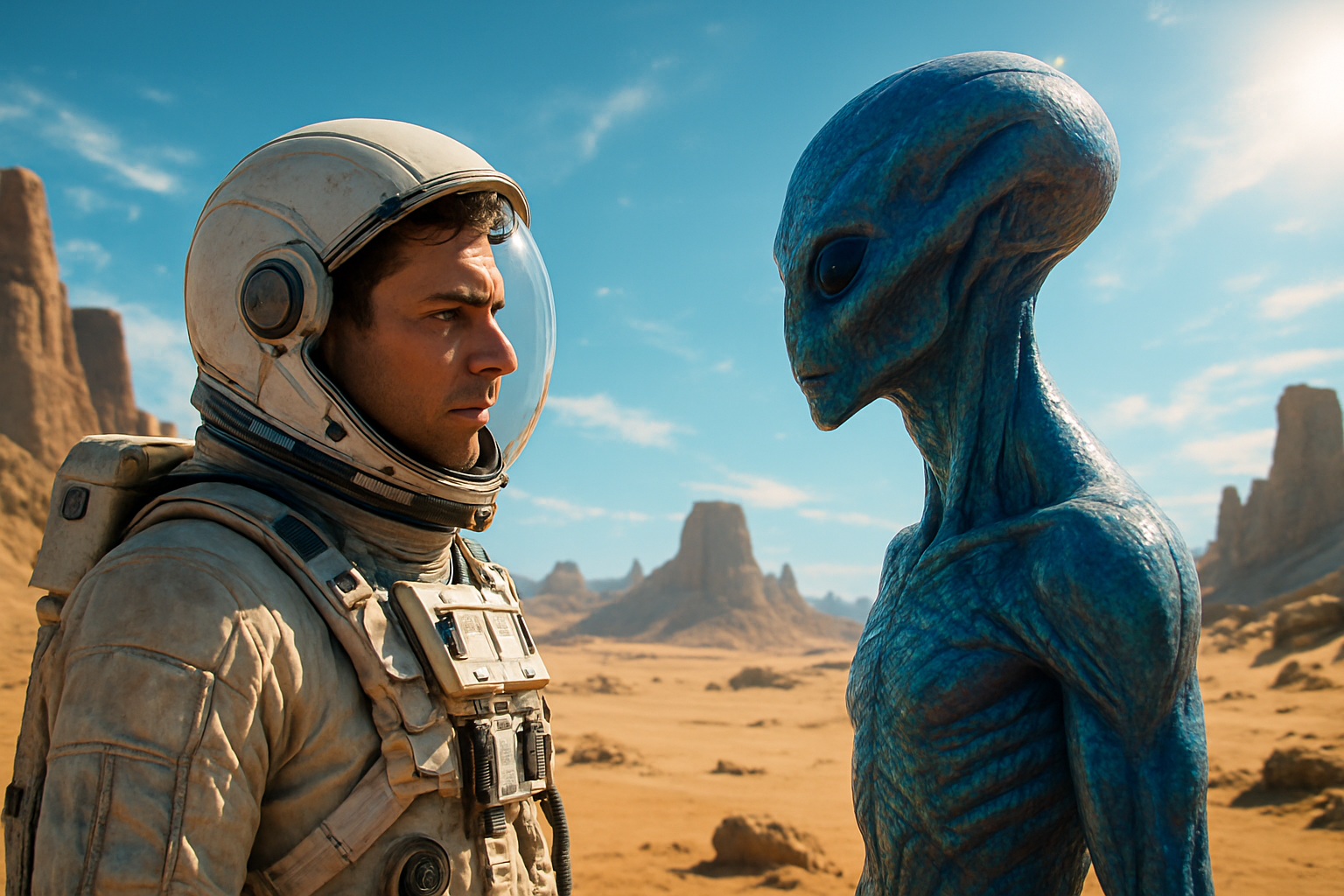

A Call to Adventure: The Allure of Alien Narratives
Throughout the history of cinema, stories of extraterrestrial life have captivated audiences, evoking curiosity about the universe beyond our own. What is it about alien narratives that enthralls viewers, prompting them to ponder the possibility of life beyond Earth? From the earliest science fiction films to contemporary blockbusters, these narratives invite us on a journey filled with adventure, wonder, and existential inquiry.
The allure of alien cinema lies not only in the imaginative depictions of interstellar travel and alien beings but also in the underlying themes that resonate with audiences on a profound level. These narratives often delve into what it means to be human, challenging our perceptions of identity, morality, and the nature of existence. As we follow characters who encounter alien life forms, we are compelled to confront our fears and aspirations regarding the unknown, the Other, and even what lies within ourselves.
Culturally, alien cinema serves as a reflection of societal anxieties and hopes. Each era’s depiction of aliens can reveal a great deal about contemporary issues—ranging from Cold War fears to modern concerns about technology and climate change. In these films, aliens frequently symbolize the aspects of humanity we struggle to understand, whether that is our capacity for destruction or our yearning for connection. In engaging with these narratives, viewers experience a multifaceted exploration of the complexities of our existence.
As we embark on this exploration of alien narratives, we bridge the gap between fiction and reality, where the cosmos becomes a mirror reflecting our inner worlds. Alien stories challenge us to reexamine our place in the universe and ponder intriguing questions about life beyond our planet. This exploration ignites our imagination, fueling fascination with what awaits us in the great unknown, inviting us to dream of adventures yet to unfold.
The Origins of Alien Stories: A Dive Into History
The fascination with alien stories has deep roots, tracing back to early science fiction and literature that captured the human imagination with the possibility of life beyond Earth. This genre emerged prominently in the 19th and early 20th centuries, laying the groundwork for what would become a compelling aspect of cinematic storytelling. Works by authors such as H.G. Wells and Jules Verne introduced themes of extraterrestrial encounters, influencing both literature and film.
One of the landmark films that encapsulated this burgeoning interest in aliens is ‘The Day the Earth Stood Still,’ released in 1951. Directed by Robert Wise, it presented a thoughtful reflection on humanity’s apprehensions about nuclear war and interstellar visitors. The film emphasized the potential for peaceful coexistence with other civilizations while warning against the consequences of hostility. Such narratives contributed to public discourse surrounding alien life, blending science fiction with social commentary.
As the 1970s approached, the depiction of extraterrestrial beings evolved further, particularly marked by Steven Spielberg’s ‘Close Encounters of the Third Kind’ in 1977. This film opened a new chapter in alien cinema, portraying a sense of wonder and curiosity regarding contact with otherworldly beings. It shifted the narrative from fear to fascination, encouraging audiences to envision a relationship with the cosmos as a chance for enlightenment rather than conflict.
The historical trajectory of alien portrayal in film highlights key milestones where the depiction of extraterrestrial life transformed with society’s evolving perspectives. As technology advanced and space exploration continued, films emerged that pushed the boundaries of human understanding, prompting viewers to question their place within the universe. From cautionary tales to explorative narratives, the allure of alien stories reflects a timeless curiosity that drives humanity to seek answers among the stars.
Cultural Reflections: What Aliens Teach Us About Ourselves
The realm of alien cinema serves as a fertile ground for exploring complex societal themes and human behaviors, often encapsulating our collective fears, hopes, and aspirations. By presenting extraterrestrial life forms, filmmakers invite audiences to reflect on the very essence of what it means to be human. Alien narratives frequently delve into the themes of colonization and the inherent tension between the familiar and the unknown. They can evoke a sense of curiosity about other worlds while simultaneously drawing poignant parallels to humanity’s history of exploration and conquest.
Colonization stands out as a recurring motif in various alien-themed films. These narratives often portray humans encountering intelligent alien species, which can serve as a metaphor for historical events such as the colonization of unfamiliar lands. This reflection can engender a sense of guilt or accountability regarding past actions while simultaneously prompting discussions about the ethics of dominion over other beings. Such portrayals compel viewers to consider the ramifications of their own societal structures and the potential consequences of their quest for expansion.
Moreover, the representation of aliens often highlights societal prejudices and the “otherness” of the unknown. Filmmakers utilize alien characters as mirrors reflecting humanity’s own behaviors, fears, and biases. By confronting the audience with characters that embody “the other,” these stories raise pertinent questions about inclusivity, acceptance, and the moral implications of xenophobia. Furthermore, the use of alien beings as metaphors stimulates a deeper examination of relationships and personal interactions, exemplifying the fragility of human connections in the pursuit of understanding differences.
Ultimately, through the lens of alien cinema, we are offered an opportunity to scrutinize our own societal constructs and individual behaviors. The allure of these narratives lies not only in their imaginative exploration of the cosmos but in their power to reflect and interrogate the intricacies of the human experience.
Folklore and the Cosmic: Aliens in Indigenous Legends
Throughout history, various cultures around the world have woven tales that echo with themes of extraterrestrial encounters, manifesting a deep-seated fascination with the cosmos. These narratives, steeped in myth and folklore, often reflect the perspectives of indigenous peoples who perceived celestial beings as integral to their understanding of the universe. For instance, the Hopi tribe in North America tells stories of star people who provide guidance and wisdom, suggesting a belief in a cosmic connection that transcends earthly existence. These narratives not only serve as cultural touchstones but also bridge the gap between ancient folklore and contemporary alien cinema.
In Australia, the Aboriginal Dreamtime includes stories about the creation of the world and its inhabitants, where celestial beings descend from the stars to influence human destiny. These tales often describe spectacular beings that travel across the night sky, inviting parallels to modern film portrayals of interstellar travelers or visitors from other worlds. Similarly, the Incan civilization revered the Pleiades star cluster, viewing it as a source of divine knowledge and guidance from their constellational ancestors. Such interpretations unveil an inherent understanding of the cosmos that aligns strikingly with today’s cinematic narratives on alien life.
Moreover, the interpretations of these celestial encounters expand beyond simple alien motifs; they often encompass themes of stewardship, cooperation, and the sharing of knowledge. Films such as “Close Encounters of the Third Kind” and “Arrival” echo these ancient beliefs, where beings from the cosmos come to provide wisdom rather than conflict. The synergy between indigenous legends and modern alien films fosters a continuing discourse about the human relationship with the cosmos, emphasizing an enduring allure that keeps audiences captivated by the mysteries of alien life. This intersection reveals not only a fascinating narrative evolution but also highlights the universal curiosity shared across cultures regarding what lies beyond our earthly realm.
Interviews with Alien Enthusiasts: Voices from the Spectrum
The fascination with alien cinema spans generations, offering a rich tapestry of narratives that resonate differently with various audiences. Engaging with enthusiasts, filmmakers, and scholars provides unique insights into the impressions these films leave on their viewers. For instance, a renowned filmmaker shared that his appreciation for alien films stemmed from childhood experiences with classics like “Close Encounters of the Third Kind.” He recalls the film’s ability to blend awe with emotion, making profound connections between humanity and otherworldly beings. Such sentiments are echoed by many, revealing a universal yearning for exploration and understanding beyond our planet.
Among avid fans, discussions often pivot to how alien narratives challenge societal norms and provoke critical thought about humanity’s role in the universe. One enthusiast described attending conventions where the sheer enthusiasm surrounding these films fosters a sense of community and shared experience. “It doesn’t matter if you prefer the horror of ‘Alien’ or the whimsy of ‘E.T.;’ there’s a common thread that binds us—curiosity about life beyond Earth,” they noted. This interconnectedness underscores the emotional investment viewers have in these stories, each film acting as a vessel for personal reflection.
Scholars also contribute to this discourse, examining how alien cinema often reflects contemporary fears and aspirations. An academic pointed out that during periods of uncertainty, films showcasing extraterrestrial encounters resonate more profoundly, revealing deeper societal anxieties regarding isolation and the unknown. By analyzing these narratives, we can glean insights into the cultural psyche and highlight the enduring themes that captivate viewers across time.
This diversity of perspectives brings to light the profound allure of alien cinema. Whether through personal anecdotes or academic critique, the discussions surrounding these films illuminate why they continue to captivate audiences, offering a mesmerizing glimpse into humanity’s quest for understanding and connection in the universe.
Immersive Storytelling: Documentaries That Capture the Unknown
The realm of alien cinema encompasses a diverse array of documentaries that not only explore the phenomenon of extraterrestrial sightings but also delve into the cultural implications these encounters engender. The allure of this genre lies in its ability to provide viewers with a window into the unknown, employing narrative techniques that captivate the imagination while fostering a sense of exploration. Documentaries such as “The Phenomenon” and “Unacknowledged” exemplify this immersive storytelling approach, effectively engaging audiences with a fusion of personal accounts and expert interviews.
In “The Phenomenon,” the filmmakers utilize a compelling structure that interweaves historic cases of alien encounters with modern-day testimonies. This narrative style enhances the viewers’ understanding of the societal impact of alien sightings over time, creating a resonant experience. The careful selection of anecdotes and evidence adds credibility, inviting the audience to consider the validity of these experiences. Filmmakers often employ reenactments and archival footage, which help to create a vivid and persuasive narrative that immerses the viewer in the unusual realms of ufology.
“Unacknowledged,” on the other hand, takes a different approach by focusing on suppressed information and the potential ramifications of government cover-ups involving UFOs. This documentary is characterized by its investigative tone and extensive interview segments with whistleblowers and researchers. By utilizing an authoritative voice throughout the narrative, it provokes thought and discussion about the implications of extraterrestrial life, emphasizing not just the sightings but their deeper meanings within a societal context. Through visual storytelling techniques, such as concise editing and evocative imagery, these films create a chilling sense of wonder and intrigue that keeps audiences engaged.
By interweaving personal experiences with broader cultural discussions, these documentaries serve to both educate and entertain, capturing the unique allure of alien cinema. Through immersive storytelling techniques, they draw viewers into a world where the boundaries of reality and belief blur, fueling curiosity about the mysteries that lie beyond our planet.
Visual and Auditory Richness: The Art of Alien Cinematography
Alien cinema captivates audiences with its visually and aurally rich experiences, a hallmark that sets the genre apart. The effectiveness of these films hinges on the skillful use of cinematography, sound design, and special effects that transport viewers into fantastical worlds. Cinematography, often the most visible element, employs techniques such as varied camera angles, striking color palettes, and innovative lighting to create an ambiance that feels distinctly otherworldly. For example, wide-angle shots can establish the vastness of alien landscapes, while close-ups might capture the intricacies of alien species and their environments, allowing for a deeper emotional connection with the narrative.
Equally pivotal is the sound design that complements the visual aspects, crafting an immersive auditory landscape that enhances the overall experience. Sound is not just a background element but a vital component that encapsulates the essence of these films. The use of ambient sounds, such as the hum of an alien spacecraft or the rustling of exotic flora, can evoke feelings of unease or wonder. Moreover, the use of unconventional soundscapes, often synthesized or manipulated to reflect an alien reality, allows filmmakers to construct an auditory experience that feels fresh and engaging. The merging of sound with visuals often amplifies the tension during pivotal scenes, elevating the cinematic experience.
The role of special effects cannot be understated in the realm of alien cinema. Modern technology allows for unprecedented levels of realism, enabling filmmakers to depict creatures and environments that were once relegated to the realm of imagination. Seamless integration of practical and digital effects can create a visually stunning experience, allowing audiences to suspend disbelief more effectively. Collectively, these elements—camerawork, sound, and effects—work harmoniously to create a captivating journey, inviting viewers to explore realms unknown while establishing a connection to the narratives within.
The Human Connection: Emotional Storytelling Behind Alien Encounters
Alien cinema often transcends mere science fiction, delving deep into the human experience through its portrayal of encounters with extraterrestrial life. At the core of these narratives lies a tapestry of emotional storytelling, interwoven with themes of intimacy, fear, and curiosity. While the visual spectacle of alien worlds and advanced technologies captivates audiences, it is the human characters who anchor these tales, making them relatable and engaging.
In numerous films, such as “Close Encounters of the Third Kind” or “Arrival,” protagonists often find themselves confronting the unknown, triggering a spectrum of emotions. These encounters force characters to grapple with their fears and uncertainties, ultimately leading them toward self-discovery and personal growth. The emotions evoked during these pivotal moments mirror the audience’s own anxieties about the unknown, fostering a connection that transcends the screen.
The intimate aspects of alien storytelling reveal much about human relationships and the nature of connection. For instance, the bond established between a human character and an alien entity can serve as a powerful metaphor for understanding and empathy. Films like “E.T. the Extra-Terrestrial” showcase how these relationships can spur personal transformation, urging viewers to reflect on themes of love, acceptance, and the unity of existence. Such narratives emphasize that, despite our differences, a shared sense of humanity binds us.
Curiosity, another potent emotional driver, propels characters to explore and seek answers beyond their earthly confines. As they venture into the cosmos, audiences are invited to partake in this journey of discovery, evoking wonder about life’s possibilities. This restless spirit of exploration is intrinsic to the human condition, allowing stories of alien encounters to resonate on a profoundly emotional level.
By examining the emotional layers within these narratives, it becomes evident that alien cinema is more than just a spectacle; it is a reflection of our own humanity, inviting introspection and connection through the lens of the unknown.
Reflections and Takeaways: What’s Next in Alien Cinema?
The journey through the cosmos as represented in cinema has undergone significant transformations over the years, evolving from cautionary tales and harrowing encounters to complex narratives that explore the interplay between humanity and extraterrestrial beings. As we deliberate on the future of alien cinema, it is imperative to recognize how film has served as a medium to not only entertain but also challenge our thoughts on existence, identity, and the broader universe. The exploration of alien narratives encourages a dialogue about who we are in relation to possible civilizations beyond our planet.
As filmmakers continue to push boundaries, the narratives surrounding aliens are likely to become increasingly intricate. The portrayal of alien beings may shift from the typical monstrous forms to representations that provoke empathy and understanding. Such narratives may focus on the shared struggles across different species, emphasizing themes of collaboration and coexistence rather than mere conflict. This has the potential to engage viewers in deeper ethical questions about life, morality, and the significance of cultural differences.
Moreover, advancements in technology will undoubtedly play a crucial role in shaping the future of alien cinema. High-quality visual effects and immersive storytelling techniques will allow filmmakers to create more vivid and engaging representations of alien worlds and their inhabitants. This enhances the viewer’s experience, fostering a greater connection with the material. As audiences file into theaters or tune into streaming services, they will likely expect and appreciate sophisticated storytelling that amalgamates science fiction with genuine human emotions.
In conclusion, the allure of alien narratives in cinema is rooted in our fascination with the unknown. It invites us to reflect on our place in the universe while looking ahead to what future films may reveal about our ongoing dialogue with the cosmos. To explore this topic further, we encourage readers to engage with the embedded video for a deeper understanding of alien cinema’s evolution and its implications for humanity.
Movie About an Alien, Movie About an Alien, Movie About an Alien, Movie About an Alien, Movie About an Alien, Movie About an Alien, Movie About an Alien, Movie About an Alien, Movie About an Alien, Movie About an Alien, Movie About an Alien, Movie About an Alien, Movie About an Alien, Movie About an Alien, Movie About an Alien, Movie About an Alien, Movie About an Alien, Movie About an Alien, Movie About an Alien, Movie About an Alien, Movie About an Alien, Movie About an Alien, Movie About an Alien, Movie About an Alien, Movie About an Alien, Movie About an Alien, Movie About an Alien, Movie About an Alien, Movie About an Alien, Movie About an Alien