
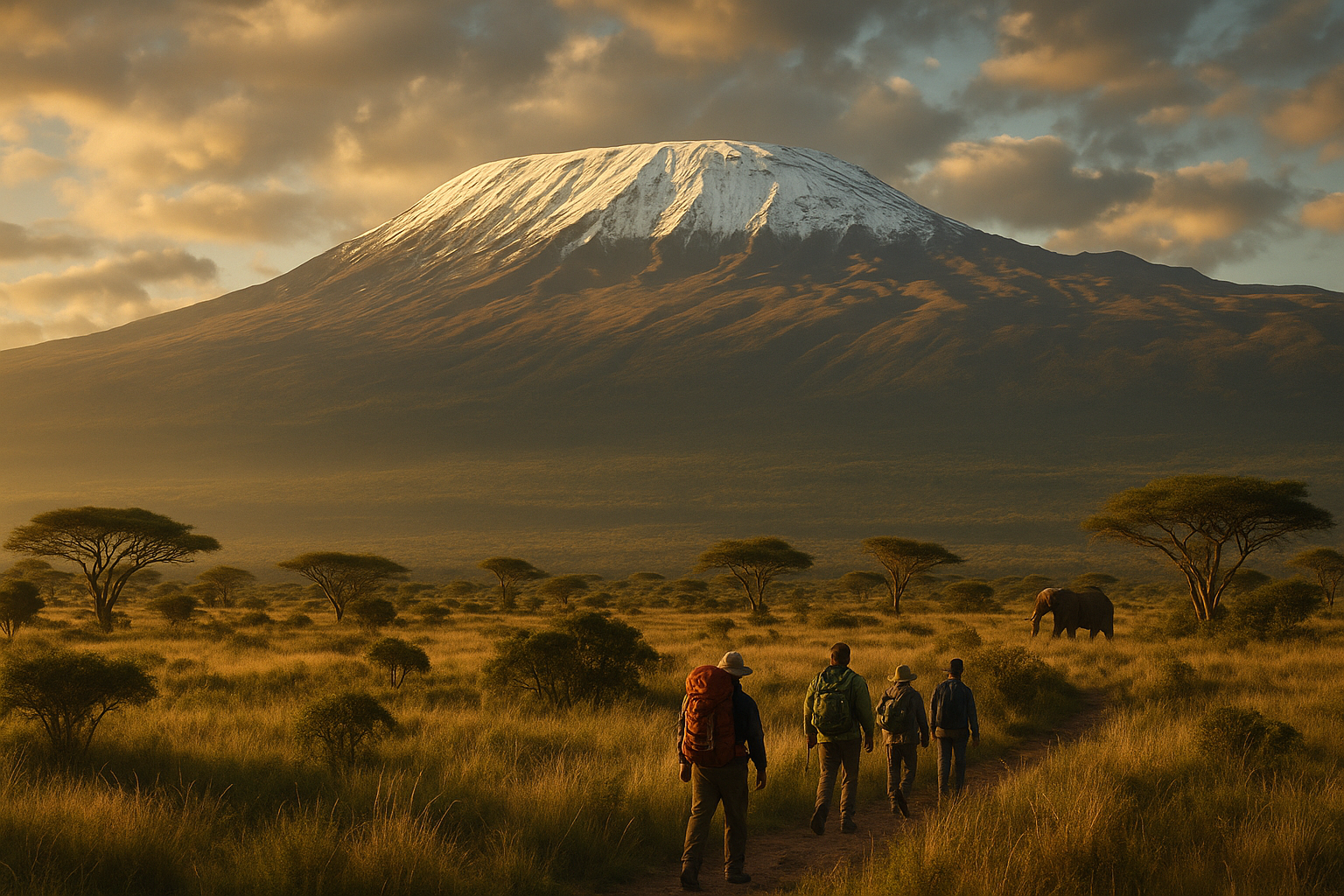

A Journey Begins: The Call of Kilimanjaro
Mount Kilimanjaro, standing tall at 5,895 meters, holds the title of the highest peak in Africa and serves as a beacon for adventurers worldwide. The allure of this majestic mountain is not merely in its height but in the breathtaking landscapes and rich biodiversity that surround it. Imagine gazing at the snow-capped summit, which seems to pierce the sky, while vibrant rainforests breathe life onto its lower slopes. Such sights incite a profound sense of wonder and beckon countless travelers to embark on this iconic journey.
Why do so many people feel compelled to reach the summit of Kilimanjaro? The answer lies in a combination of adventure and personal discovery. Climbing Kilimanjaro is often described as a rite of passage—a journey that tests physical limits while offering a profound sense of achievement. Every year, thousands of trekkers set their sights on this peak, fuelled by the desire to stand atop Africa’s Roof and experience unparalleled views that stretch across the horizon.
Kilimanjaro is not just a mountain; it is a vibrant ecosystem that tells a story of its own. As climbers ascend, they traverse diverse climatic zones, from lush rainforests teeming with wildlife to barren alpine deserts that challenge even the most seasoned adventurers. The journey is as much about the destination as it is about experiencing the transformation of environment and self. Such variability ignites the imagination, drawing people from all walks of life, eager to test their mettle against this iconic giant.
In light of this profound allure, the call of Kilimanjaro resonates deeply with those who seek adventure and a chance to connect with nature’s grandeur. Whether it is the challenge of reaching the summit or the beauty encountered along the way, Kilimanjaro promises an unforgettable experience that lingers in the hearts and minds of all who journey there.
The Historical Tapestry: Kilimanjaro Through Time
Mount Kilimanjaro, as the tallest peak in Africa, rises majestically from the surrounding landscapes of Tanzania, its geological formation a remarkable testament to the planet’s volcanic activity. Formed approximately 750,000 years ago through a series of volcanic eruptions, Kilimanjaro consists of three volcanic cones: Kibo, Mawenzi, and Shira. The peak of Kibo, known as Uhuru Peak, stands at an elevation of 5,895 meters, making it a significant geological landmark as well as a natural wonder.
Kilimanjaro’s historical significance stretches well beyond its physical attributes. For local tribes, including the Chaga people, the mountain holds profound cultural value. Traditionally, Kilimanjaro is considered a sacred place, interwoven into the fabric of tribal histories and oral traditions. The striking snow-capped summit is not only a geographical feature but also a spiritual symbol, influencing local customs and rituals. The Chaga people, who reside on its fertile slopes, have cultivated its rich volcanic soils for centuries, making the mountain pivotal to their agricultural practices and subsistence.
The allure of Kilimanjaro attracted early explorers and adventurers, who set out to conquer its heights, documenting their experiences along the way. Notable figures such as Hans Meyer, who was the first to successfully reach the summit in 1889, painted Kilimanjaro as a challenge imbued with mystery and romance. These accounts helped solidify the mountain’s importance in the Western consciousness and contributed to its growing reputation as a premier climbing destination.
Throughout history, Kilimanjaro has been perceived as a symbol of natural beauty and a formidable geographical presence, reflecting the stories of those who have encountered its grandeur. The experiences of local tribes, combined with the adventures of early explorers, create a rich tapestry that underscores the mountain’s significance within both regional culture and the broader historical narrative of Tanzania.
Cultural Significance: Voices of the People
Mt. Kilimanjaro, Africa’s highest peak, stands not only as a natural wonder but also as a vibrant cultural symbol for the diverse ethnic groups that inhabit the surrounding areas. One of the most prominent of these groups is the Chaga people, who have lived on the slopes of the mountain for centuries, forming a rich tapestry of stories and traditions that interweave with the landscape. The Chaga people believe that the mountain is sacred, a notion rooted in their folklore and oral history, which celebrates the mountain as a powerful entity offering both protection and sustenance.
Folklore recounts tales of how the mountain was formed from the molten lava and the struggles of ancestral spirits who once roamed its slopes. These stories are passed down through generations, often shared during communal gatherings where music and dance bring the narratives to life. Such storytelling not only serves as a means of preserving history but also fosters a deep connection between the people and their land, reinforcing their identity and heritage.
In addition to the Chaga, other ethnic groups, such as the Pare and the Maasai, also surround Mt. Kilimanjaro, each contributing their distinct traditions and beliefs to the cultural landscape. The Maasai, known for their iconic dress and warrior traditions, share a unique perspective on the mountain, viewing it as a landmark of great significance in their migratory routes and practices. These groups often engage in rituals that honour the mountain, reflecting a profound respect for nature and its resources.
Through their stories, traditions, and celebrations, the communities around Mt. Kilimanjaro illustrate an intricate bond between culture and nature. This connection not only enriches their identity but also underscores the importance of preserving both the cultural heritage and the ecological integrity of this stunning region in Tanzania.
The Climb: A Physical and Spiritual Journey

Climbing Mt. Kilimanjaro is not merely an outdoor adventure; it is an expedition that intertwines the physical and spiritual dimensions of personal growth. The journey begins long before reaching the mountain, as climbers must prepare mentally and physically for the challenges that lie ahead. With several routes to the summit, each with its unique characteristics, climbers can choose between the Marangu, Machame, Lemosho, and Rongai routes, among others. Each path offers breathtaking views and distinct experiences, shaping the climb into a deeply personal voyage.
The ascent presents an array of physical challenges, from the gentle slopes of the lower elevations to the steep, rocky paths of the final summit push. Climbers often experience fatigue, altitude sickness, and variable weather conditions, making it essential to acclimatize properly and maintain hydration. The rigors of the climb can test not only the body but also one’s resolve. For many climbers, the greatest battles are not fought with the mountain itself but rather within, highlighting the climber’s mental fortitude.
As climbers progress, they also encounter profound moments of reflection. The early morning sun illuminating the landscape often brings feelings of awe and connectedness to nature. Surrounded by stunning panoramas, climbers find themselves contemplating life’s purpose and their place within the universe. Each step taken becomes a meditative act, allowing for introspection and an appreciation for the journey—both the challenges and triumphs. The cold, biting winds at higher altitudes serve as a reminder of nature’s raw power, further deepening the respect one develops for the mountain.
Ultimately, the climax of this astonishing adventure is reaching the Uhuru Peak, the summit of Kilimanjaro. This moment is not solely a testament to physical endurance; it represents perseverance and a spiritual awakening, as climbers embrace the feeling of standing at the roof of Africa. Each climber leaves the mountain not just with a sense of accomplishment but also with an enriched perspective on life, making the climb an unforgettable experience that resonates long after returning home.
Naturally Majestic: Ecosystems of Kilimanjaro
Mount Kilimanjaro, the tallest peak in Africa, is not just an iconic landmark but a remarkable representation of diverse ecosystems that emerge across its slopes. The mountain boasts a range of climatic zones, each supporting unique flora and fauna, making it a vibrant biodiverse haven. The journey up Kilimanjaro begins in the lush, tropical rainforest zone, where towering trees draped in moss form a dense canopy, providing habitat for an array of species. This zone is characterized by the presence of endemic species such as the Kilimanjaro bushbuck and various bird species, enriching its ecological tapestry.
Transitioning from the rainforest, the next zone encountered is the heath and moorland, characterized by distinct plant species such as heathers and giant groundsels. This area supports a rich variety of wildlife, including elephants and monkeys, that thrive in the cooler temperatures and varied vegetation. As climbers ascend further, the environment transforms into alpine desert, where the temperature drops significantly and vegetation becomes sparse, featuring hardier species like lichens and mosses that have adapted to the harsh conditions. The stark beauty of this zone is accompanied by unique wildlife including the elusive Kilimanjaro leopard.
However, the ecosystems of Kilimanjaro face significant environmental challenges. Climate change has resulted in glacial retreat, affecting water supply to lower regions, which poses a threat to both wildlife and human communities. Additionally, the rise in tourism has brought strain to this ecological balance, leading to waste management issues and habitat disruption. Understanding the rich biodiversity of Kilimanjaro and recognizing the impacts of human activities is pivotal in preserving this natural wonder for future generations. Protecting the ecosystems of Kilimanjaro requires a concerted effort to mitigate these environmental challenges while appreciating the stunning beauty that this majestic mountain has to offer.
Folklore and Myths: Stories of the Mountain
Among the many tales told in the shadow of Mt. Kilimanjaro, a compelling narrative emerges from the rich tapestry of local folklore. For centuries, Kilimanjaro has been more than just Tanzania’s highest peak; it holds a spiritual significance for the communities surrounding it. The indigenous Chaga people possess a wealth of stories that reveal their connection to the mountain, blending cultural wisdom and cosmological beliefs.
One prominent myth speaks of the mountain as a manifestation of Ngai, the Creator God. It is said that Ngai, seeking to provide shelter and sustenance, raised Kilimanjaro from the earth, creating a place where the realm of the divine meets human existence. This narrative serves to underscore the mountain’s importance as a symbol of protection and bounty for the Chaga. Villagers often recount how the mountain is a living entity, capable of bestowing blessings or unleashing fury, depending on the reverence shown by its people.
Another legend tells the story of a brave young warrior who sought to conquer the peak to prove his worth. His journey was fraught with treachery, both from the elements and a rival clan determined to thwart him. As the tale unfolds, it blends adventure with moral lessons, emphasizing virtues such as courage and resilience. This story resonates with many who attempt to scale this majestic mountain, representing not just a physical challenge but also a profound personal journey.
Such narratives have provided generations with a shared identity and a framework for understanding their environment. The myths surrounding Kilimanjaro connect the past with the present, ensuring that the cultural heritage remains alive. The tales celebrate the vast history of the mountain while reinforcing the bond between the landscape and the people, creating a vibrant dialogue that continues to inspire awe and reverence.
Interviews: Perspectives from Climbers and Locals
As one gazes upon the majestic peak of Mt. Kilimanjaro, it is difficult not to contemplate the myriad stories that unfold against its stunning backdrop. We had the privilege of gathering intimate accounts from both climbers and local guides, revealing a tapestry of motivations, challenges, and insights that define the Kilimanjaro experience. Each perspective underscores the profound connection individuals feel toward this iconic mountain.
According to Sarah, a seasoned climber from Canada, her journey to the summit was not solely about reaching the top but about embracing the adventure of the climb itself. “The thrill lies in the unknown,” she explained. “Every step on Kilimanjaro brings a new challenge—be it the altitude or the unpredictable weather. But overcoming these obstacles and standing on that summit is a testament to my resilience.” Her experience reflects a common sentiment among climbers, whereby the physical journey becomes intertwined with personal growth and transformation.
Local guides, such as Jamal, offer a different but equally compelling narrative. A native of the region, Jamal spoke passionately about his role in guiding climbers. “For me, it is more than just a job; it is a way to share my home with the world,” he shared. “Every climber brings their dreams to Kilimanjaro, and I feel honored to help them realize those dreams. The mountain teaches us humility and respect.” This perspective highlights the incredible bond that forms between climbers and their guides, rooted in shared experiences and mutual respect.
Ultimately, these insights reflect a deep-seated admiration for Mt. Kilimanjaro, as it not only challenges climbers physically but also fosters connections among people from diverse backgrounds. The personal narratives we gathered reveal how this magnificent peak serves as a catalyst for adventure, growth, and a shared understanding of the human experience.
Documentary Insights: Learning from the Lens
Documentaries serve as vital instruments for enriching our understanding of Mt. Kilimanjaro, the tallest peak in Africa. Through the lens of a camera, these films delve into the majestic beauty, environmental challenges, and the multifaceted narratives surrounding this renowned mountain. They reveal not only the physical grandeur of Kilimanjaro but also the cultural and ecological stories woven into its fabric. Documentaries effectively transport viewers to this enchanting location, allowing them to witness the breathtaking landscapes and diverse ecosystems that characterize the area.
Many memorable films depict Kilimanjaro, illustrating various aspects that contribute to its iconic status. For instance, “Kilimanjaro: The Comeback” chronicles the mountain’s changing environment, emphasizing the urgent need for conservation. It highlights the challenges faced by local communities and the impact of climate change, thus shedding light on the mountain’s ecological significance as well as its role in local livelihoods. Such documentaries encourage an appreciation for nature and foster a sense of responsibility toward preserving these natural treasures.
Moreover, documentaries like “Kilimanjaro: The Ultimate Summit” showcase the thrilling journeys of climbers who attempt to reach the summit. By capturing the raw emotions and physical trials experienced during these treks, filmmakers present a captivating narrative that resonates with both adventurers and armchair explorers. These stories emphasize the determination, courage, and perseverance required to conquer such a formidable peak. The power of visual storytelling in documentaries shapes perceptions, inspiring awe and respect for Kilimanjaro’s beauty and the intricate tapestry of life that surrounds it.
Ultimately, engaging with these documentaries allows audiences to develop a deeper connection with Mt. Kilimanjaro, motivating a reflective consideration of both its splendor and challenges. The stories told through the lens serve not only to educate but also to inspire action in preserving this natural wonder for future generations.
Reflections: Kilimanjaro’s Legacy and Your Connection
Mount Kilimanjaro stands not only as the tallest peak in Africa but also as a powerful symbol of human aspiration, resilience, and the quest for self-discovery. Throughout history, this majestic mountain has inspired countless adventurers, climbers, and seekers of meaning. It captures the spirit of perseverance against daunting challenges, thus inviting individuals to reflect on their personal journeys. As you contemplate your ambitions and struggles, think of Kilimanjaro as a metaphor for the mountains we all face in life and the height one can achieve through determination and hard work.
The challenges involved in climbing Kilimanjaro mirror the struggles that many experience in their everyday lives. Each step taken on the ascent can be likened to the gradual progression one makes toward their goals. The sense of accomplishment felt upon reaching the summit evokes the triumphs that arise from remaining steadfast in the face of adversity. In a world marked by uncertainties, such symbolism can serve as a powerful reminder that even the highest obstacles can be overcome with perseverance and strength.
Kilimanjaro’s legacy extends beyond personal aspirations; it also raises awareness about contemporary issues such as climate change and biodiversity. The melting glaciers of this iconic mountain underscore the urgent need for environmental stewardship and sustainability. As you consider your connection with Kilimanjaro, think about how your actions, however small, can contribute to a broader movement toward preserving our planet. Engaging with this mountain, both through personal experiences and the embedded documentary, allows for a richer understanding of its significance not only as a natural wonder but also as a call to action. By reflecting on Kilimanjaro’s legacy, you create a deeper connection to its enduring message of hope, challenge, and triumph.