
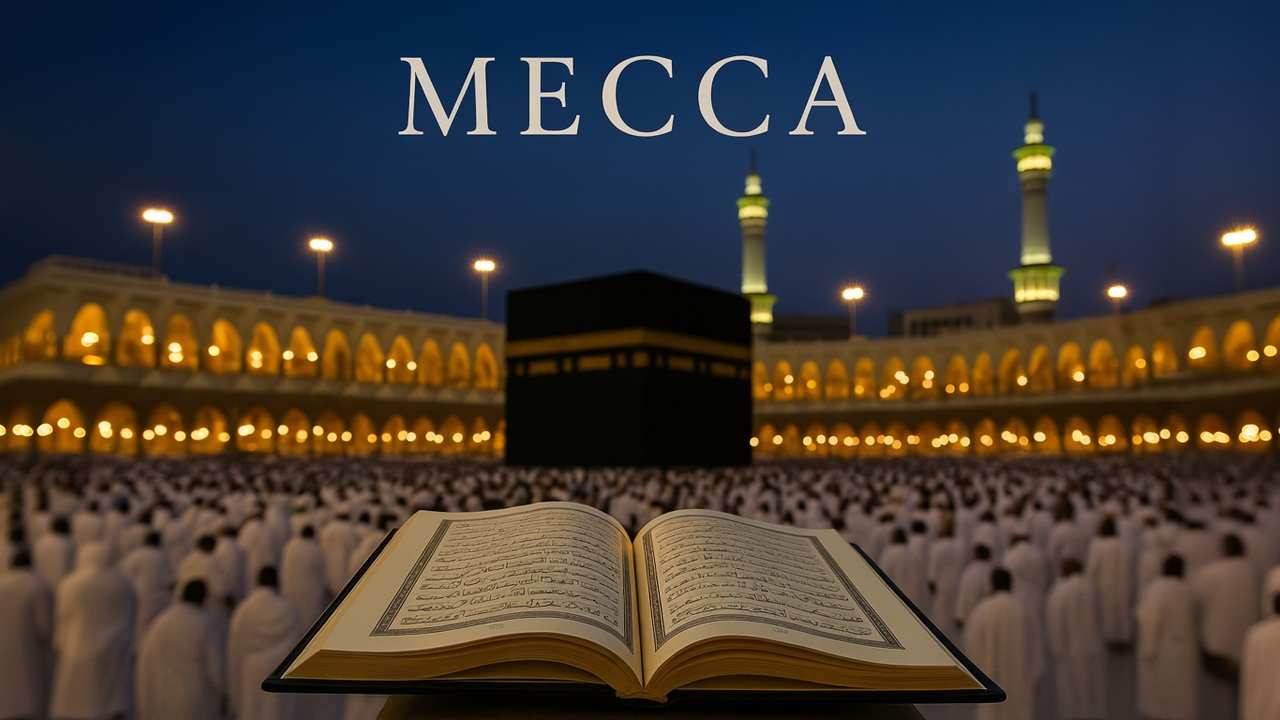

Introduction: A Call to Adventure
What compels millions of believers from diverse backgrounds to embark on a pilgrimage to Mecca each year? This deeply rooted tradition, known as Hajj, represents not only a physical journey but also a profound spiritual awakening that transcends cultural and geographic boundaries. For many Muslims, the pilgrimage to the heart of Islam is one of the Five Pillars of Islam, a necessary act of faith that fosters a deeper connection with the divine.
The significance of this pilgrimage extends beyond its religious connotations; it is an immersive experience that intertwines spiritual longing and cultural richness. As pilgrims journey to Mecca, they find themselves enveloped in a tapestry of shared experiences, rituals, and communal bonds that have developed over centuries. The serene atmosphere of devotion, echoed prayers, and bustling crowds create an environment that inspires both humility and unity among the participants.
Each step taken during Hajj is more than mere movement; it serves as a symbol of submission, reflecting a journey inward as much as it does outward. The sacred Kaaba, to which pilgrims direct their prayers, becomes the focal point of their collective devotion. This journey is marked by rituals such as Tawaf, where believers circumambulate the Kaaba, and Sa’i, which symbolizes Hagar’s desperate search for water for her child Ishmael—elements laden with historical and spiritual significance.
As we delve deeper into this pilgrimage, we invite readers to reflect on their own journeys of faith, understanding that the path to Mecca is not just about reaching a destination but embracing the transformative power that lies within the experience. The pilgrimage to Mecca, a call to adventure, beckons not only the faithful but also those who seek to understand the very essence of faith itself.
The Historical Context of Hajj
The Hajj pilgrimage, one of the five pillars of Islam, has profound historical roots that trace back to the time of the Prophet Ibrahim (Abraham) and his wife, Hajar (Hagar). According to Islamic tradition, the journey symbolizes Ibrahim’s unwavering faith and his commitment to fulfilling God’s commands. The act of Hajj commemorates the trials faced by both Ibrahim and Hajar, particularly Hajar’s search for water for her son, Ismail (Ishmael). This quest is memorialized in the rites of Sa’i, where pilgrims reenact her frantic search between the hills of Safa and Marwah.
Historically, the pilgrimage to Mecca was established as a religious event in 630 CE when the Prophet Muhammad and his followers performed the Hajj. This watershed moment not only solidified Mecca as a central hub for worship but also marked the unification of the early Muslim community under a shared religious experience. Over the centuries, Hajj has evolved, influenced by varying cultural practices and expanding participation, yet its core essence has remained intact.
In modern times, Hajj attracts millions of Muslims from diverse backgrounds, each seeking spiritual renewal and connection to their faith. Moreover, it serves as a profound expression of unity and equality among participants, regardless of their social status or origins. This sense of global belonging is a cornerstone of the pilgrimage, reinforcing its role in shaping the lives of those who undertake it annually. The significance of Hajj extends beyond mere adherence to religious obligations; it fosters a holistic transformation in the lives of pilgrims, influencing their actions and priorities long after they return to their communities.
Preparing for the Journey
Embarking on the spiritual journey of Hajj is a significant commitment for millions of Muslims around the world. The preparation process is multifaceted, encompassing both emotional and practical aspects that are essential for a fulfilling pilgrimage experience. At its core, preparing for Hajj begins with spiritual cleansing, which serves as a foundational step in the pilgrimage process. This involves engaging in self-reflection, repentance, and seeking forgiveness to purify oneself before approaching the sacred sites of Mecca.
In tandem with spiritual readiness, logistical planning is equally crucial. Pilgrims must ensure that their travel arrangements are meticulously organized well in advance. This includes booking flights, securing accommodation, and arranging transportation within Saudi Arabia. With the increasing modernization of travel services, many travel agencies offer tailored Hajj packages, providing convenience to pilgrims. These packages often facilitate smoother transitions during the journey, allowing pilgrims to focus on their spiritual obligations rather than administrative concerns.
Furthermore, physical preparation cannot be overlooked. Given that Hajj requires participants to perform numerous physical rituals over several days, maintaining good health is paramount. Pilgrims are advised to engage in physical fitness activities leading up to the journey, ensuring they can withstand the rigors of the pilgrimage. Additionally, understanding the required rituals—such as Tawaf, Sa’i, and the standing at Arafat—enables pilgrims to mentally prepare for the sequence of events during Hajj.
The emotional aspect of preparation is profound, as many individuals view the pilgrimage as a highlight of their faith journey. Anticipation builds as the departure date approaches, often mixed with feelings of awe and reverence. The collective experience of shared faith among pilgrims heightens the emotional charge of the journey, fostering a deep sense of community. Overall, thorough preparation underscores the importance of Hajj, illustrating the journey’s spiritual and practical dimensions that lead to a transformative experience.
Entering the Sacred City of Mecca
As the sun rises, casting a golden hue over the skyline, the anticipation among pilgrims intensifies. The air is thick with excitement and devotion as individuals from diverse backgrounds converge on the sacred city of Mecca. Approaching Mecca, the sight of the mountains surrounding the city becomes evident, their rugged beauty serving as a contrast to the spiritual fervor that envelops the atmosphere. The air vibrates with the reverberations of prayers, and one can hear the joyful chants of “Labbaik Allahumma Labbaik,” expressing an eager submission to the Divine.
Upon entering the city, the first glimpse of the magnificent Kaaba stirs profound emotions within the soul. Standing proudly at the center of the Haram, the black and gold structure draws thousands of eyes, becoming the focal point of devotion. Many pilgrims seem to pause, almost collectively inhaling the sacred essence of the place, their hearts pulsating with reverence. Travelers share anecdotes of their journeys, reflecting the diverse experiences that have led them to this pivotal moment in their lives.
As pilgrims surge towards the Kaaba, the overwhelming sense of community in the air thunders gently, binding together those from various walks of life. Strangers exchange smiles, while the scent of incense wafts through the crowd, heightened by the layers of warmth and unity enveloping the gathering. This environment fosters a spirit of camaraderie among individuals as they engage in acts of worship, performing rituals together. This unique ambiance almost feels tangible, where individual aspirations merge into shared faith, reminding everyone of their collective purpose on this sacred pilgrimage.
As one steps into Mecca, it is not merely a physical journey; it is a transformational experience that resonates deeply within the heart, reaffirming the importance of faith and devotion among the vast sea of pilgrims.
Rituals of Hajj: A Step-by-Step Journey
The pilgrimage to Mecca, known as Hajj, is a profound journey that involves a series of significant rituals, each serving as a testament to faith and devotion. The Hajj rituals are steeped in tradition and symbolize various aspects of spirituality and submission to God. This sacred journey begins with the state of Ihram, where pilgrims don simple white garments, signifying purity and unity. This attire creates a sense of equality among all Muslims, regardless of their social status.
The first ritual after entering Ihram is Tawaf, which involves circumambulating the Kaaba seven times in a counter-clockwise direction. The act of Tawaf is a poignant expression of devotion as pilgrims move in synchrony, reciting prayers. The Kaaba, a cube-shaped structure, is considered the holiest site in Islam, and being in its presence evokes a deep spiritual connection. Following Tawaf, pilgrims perform Sa’i, the ritual that commemorates Hagar’s search for water for her son, Ishmael. During Sa’i, pilgrims walk seven times between the hills of Safa and Marwah, symbolizing perseverance and faith in God’s mercy.
The pinnacle of Hajj occurs on the Day of Arafat, where pilgrims gather at the plain of Arafat for prayer and reflection. Standing in earnest prayer is seen as a moment of forgiveness and redemption, where many experience profound spiritual awakenings. The significance of this day is captured in the tradition that Muslims believe their sins are absolved through sincere repentance. Following Arafat, the rituals culminate in Eid al-Adha, during which the sacrifice of an animal signifies submission to God’s will, in remembrance of Abraham’s willingness to sacrifice his son.
Each of these rituals, rooted in Islamic tradition, not only reinforces the pilgrims’ connection to faith but also fosters a sense of community among the diverse congregation. The emotional weight of the Hajj rituals resonates deeply within each pilgrim, creating lasting memories and reinforcing their spiritual beliefs.
Personal Stories: Voices from the Pilgrims
The pilgrimage to Mecca, or Hajj, represents a deeply personal journey for every Muslim who embarks on this sacred path. Each pilgrimage experience is unique, yet they often converge around common themes of faith, struggle, hope, and connection. One pilgrim, Fatima, shared her emotional journey, explaining that her decision to perform Hajj was rooted in a profound desire to find spiritual closure after the loss of her mother. She described the moment she stood at the Kaaba, feeling an overwhelming sense of peace envelop her. “In that sacred space,” she recalled, “I felt my mother’s presence, and it was as if I was not alone anymore.”
Another pilgrim, Ahmed, spoke about the physical challenges of Hajj. Battling with age-related ailments, he expressed his initial fear that he might not be able to complete the rituals. However, upon arrival in Mecca, he was inspired by the sight of thousands of pilgrims, united in their faith despite their diverse backgrounds. “The struggle to walk during Tawaf became a meditative experience,” Ahmed stated, as every step transformed into a prayer. The trials of the pilgrimage, he noted, fostered a sense of resilience and community among pilgrims — each of them carrying personal burdens, yet finding strength in solidarity.
Moreover, Aisha, a first-time pilgrim, shared her awe as she witnessed the harmonious chants of “Labbaik Allahumma Labbaik” reverberating through the crowds. This collective spirit, she reflected, bridged the gaps of language and culture, reminding her of the universal belief that transcends borders. “It felt like a reminder that we are all connected by our faith, regardless of our backgrounds,” she said. These personal narratives reveal how Hajj is not merely a religious obligation but a catalyst for healing and connection, intertwining individual stories into a rich tapestry of faith.
Cultural Significance of Hajj
The Hajj pilgrimage holds immense cultural significance for Muslims around the world, transcending religious obligations to embrace communal and cultural dimensions. Each year, millions of Muslims from diverse backgrounds converge on Mecca, forming a tapestry of humanity that illustrates the global nature of Islam. This gathering not only serves a spiritual purpose but also acts as a celebration of cultural diversity. Participants, regardless of their nationality, ethnicity, or economic status, don simple white garments known as Ihram, symbolizing equality before God and erasing social barriers. This aspect of Hajj fosters a sense of global unity among Muslims, reinforcing their shared identity.
The communal experience of Hajj encourages interaction and cooperation among pilgrims, as they engage in rituals together, pray shoulder to shoulder, and share their own cultural traditions during this sacred time. Such interactions help to break down preconceived notions and promote mutual understanding. As pilgrims from different countries communicate, they exchange stories, customs, and even languages, enriching each other’s experiences. The result is a powerful collective spirit that exemplifies the concept of ummah, or community, which is central to the Islamic faith.
Moreover, the pilgrimage has a profound effect on local cultures in Saudi Arabia. The influx of millions of pilgrims brings economic benefits and encourages cultural exchanges between visitors and residents. The local community engages with diverse customs and traditions, resulting in a vibrant atmosphere during the Hajj season. Additionally, this cultural significance also extends beyond the pilgrimage itself. Many Muslims carry the values and lessons learned from Hajj into their communities, promoting peace, tolerance, and collaboration. Consequently, the Hajj pilgrimage embodies not only a religious duty but also a rich cultural exchange that highlights the interconnectedness of Muslim communities worldwide.
Reflections on the Journey
The pilgrimage to Mecca, known as Hajj, is not merely a physical journey but a profound spiritual expedition that challenges individuals to delve deep within themselves. Throughout this journey, participants encounter countless opportunities for reflection, encouraging them to embrace the deeper meanings of sacrifice, humility, and devotion. Each of these concepts, rooted in the very essence of faith, holds significant relevance in our modern world.
Sacrifice is a prominent theme during Hajj, symbolized by the ritual of animal sacrifice, which serves as a reminder of the importance of giving up personal comforts for the greater good. This act embodies the idea of selflessness, teaching pilgrims that true devotion often requires one to transcend their individual desires for the benefit of the community. In today’s society, where individualism often takes precedence, reflecting on this concept can inspire a collective spirit of generosity and empathy.
Humility, cultivated through rituals such as the Tawaf, where pilgrims circumambulate the Kaaba, further emphasizes the need for modesty and submission to a higher power. As participants stand shoulder to shoulder with millions, regardless of their background, unity and equality emerge as central tenets. In an era marked by division and disparity, the lessons of humility gleaned from this experience can be transformative, urging individuals to foster understanding and compassion across cultural and religious boundaries.
Devotion is perhaps the most intimate outcome of the pilgrimage. Through prayer, reflection, and communal activities, pilgrims deepen their relationship with their faith. This commitment not only strengthens personal belief systems but also reinforces the importance of faith as a guiding force in one’s life. As individuals return to their everyday lives, the insights gained from Hajj resonate, serving as a catalyst for spiritual growth and communal harmony.
Conclusion: The Timelessness of Spiritual Journeys
The act of pilgrimage has transcended time and culture, serving as a fundamental expression of faith and devotion. Undertaking a journey to sacred destinations, such as Mecca, allows individuals to engage deeply with their spiritual beliefs and foster a sense of connection to something greater than themselves. While the Hajj pilgrimage is a religious obligation for millions of Muslims, it also embodies a transformative experience that facilitates profound personal reflection and growth. This dual nature of pilgrimage highlights its enduring relevance across generations.
Pilgrimages are not merely physical journeys; they symbolize an inner quest for understanding and clarity. By navigating the challenging pathways of such spiritual travels, pilgrims often confront their beliefs, doubts, and aspirations. This reflection can lead to self-discovery, as the act of moving toward a sacred site encourages individuals to shed worldly distractions and hone in on their spiritual essence. The rituals and communal experiences encountered during the pilgrimage further promote a sense of belonging within a larger community, reinforcing one’s faith through shared experiences.
In today’s fast-paced and often chaotic world, such journeys retain their significance as a means of re-connecting with oneself and others. While modern life may introduce various distractions, the call to embark on a pilgrimage resonates just as powerfully now as it did in ancient times. Whether one is drawn to the historical routes of pilgrimage or inspired to explore new paths of faith, these journeys stand as a testament to the enduring search for meaning and connection. For those wishing to delve deeper into the Hajj experience and witness the richness of these spiritual travels, we invite you to watch the accompanying video, which captures the essence of this profound pilgrimage.