


Introduction: A Glimpse into the Roman Empire
The Roman Empire, one of history’s most captivating civilizations, continues to fascinate scholars and enthusiasts alike. What intricate factors contributed to its rise, and what underlying issues precipitated its eventual decline? The journey through this vast empire is not just a narrative of conquests and territorial expansion; it is also a tale rich in political intrigue, social complexities, and human drama. At the heart of this epic saga lies Commodus, an emperor whose reign epitomized both the zenith and the nadir of imperial power.
At its height, the Roman Empire commanded vast territories, stretching from the British Isles to the sands of the Middle East. This expanse ensured a diverse cultural amalgamation and the exchange of ideas, technologies, and traditions. Such diversity, however, often collided with and clashed against the rigid structures of Roman governance. The interplay of various cultural identities within the empire contributed significantly to its dynamism but also engendered tensions that would later manifest in internal strife.
The complexities of governance during this period were further compounded by the personalities that led the empire. Commodus, with his controversial reign, serves as a poignant case study of how an emperor’s character can influence the course of history. His leadership style reflected both the grandeur of Rome and its vulnerabilities, highlighting the thin line between power and tyranny. Through Commodus, we can better understand the tragic narrative of Roman leadership, characterized by ambition, decadence, and eventual downfall.
As we embark on this exploration of the Roman Empire, we will delve into the multifaceted aspects of its society, the rise and fall of its emperors, and the profound impact they left on the course of history. Commodus’s story is not merely an isolated incident; it is a vital piece of the larger puzzle that encapsulates the essence of an empire that once ruled the known world.
Commodus: The Boy Emperor in a Turbulent Time
Commodus, born on August 31, 161 CE, emerged as one of the most intriguing figures in the annals of the Roman Empire. As the son of the esteemed Emperor Marcus Aurelius and his wife, Faustina the Younger, Commodus entered the world with a legacy shadowed by greatness. His upbringing was shaped heavily by his father, who epitomized the philosophical ruler. Marcus Aurelius, known for his Stoic beliefs and the influential work “Meditations,” instilled in his son values of wisdom and duty. However, Commodus’s early years did not entirely align with these ideals, positioning him at a crossroads between privilege and preparation for leadership.
From a young age, Commodus was thrust into the political machinations of the empire as a potential heir. His education, though diligent, allowed him to indulge in the lavish lifestyle to which he was accustomed. He was groomed to step into the illustrious sandals of his father, yet the complexities of his environment created a disconnect. The transition to ruling came too quickly after Marcus Aurelius’s death in 180 CE, leading to a sudden shift in the dynamics of power. Commodus ascended the throne at the tender age of 18, inheriting not only the vast empire but also its inherent challenges.
His reign marked a departure from the principled governance of his father, as it was characterized by excess and a yearning for personal glory. The influence of prominent advisors and the tumultuous Roman Senate further complicated his rule. Commodus’s choices, particularly in favoring personal pursuits such as gladiatorial combat, showcased a leader caught between the expectations of an emperor and the seductions of power. This juxtaposition sets the stage for understanding the complexities of Commodus’s reign and the turbulent times in which he ruled, establishing a narrative that straddles the line between ambition and folly.
The Gladiatorial Games: Bloodshed and Popularity
The gladiatorial games, an integral aspect of ancient Roman culture, reached a fever pitch during the reign of Emperor Commodus. Renowned for his spectacles, Commodus often participated in the games, blurring the lines between ruler and entertainer. His obsession with the arena fundamentally altered the traditional perception of what it meant to be a Roman emperor. Rather than embodying virtuous leadership, Commodus sought glory and adoration through the bloodshed of the games.
These events were not merely entertainment; they symbolized power, valor, and the insatiable desire for public approval. The Roman populace eagerly flocked to the Colosseum, where the clanging of swords and the roars of the crowd created an electrifying atmosphere. Here, bravery was on display not just from the gladiators who fought but also from the emperor himself, who often donned armor and engaged in combat, claiming victories over captured foes and wild beasts alike. This engagement exploited the very essence of the games, promoting the narrative that the emperor was not just a political leader but a warrior king.
Commodus’s actions evoked an array of emotions among the citizens of Rome. While many were enthralled by his audacious displays, others viewed them with disdain, as they sullied the image of the emperor as a dignified ruler. This dynamic created a dichotomy within Roman society: some idolized Commodus for his bravery and charisma, while others lamented the brutal reality of the games and his descent into moral depravity. The gladiatorial games, under Commodus’s reign, thus served as both a platform for public entertainment and a reflection of the emperor’s controversial legacy. Ultimately, they highlighted a pivotal transition in how emperors were perceived, intertwining the roles of leadership, spectacle, and violence into a singular narrative of power.
Commodus’s Autocracy and Eccentricities
Commodus ascended to the throne of the Roman Empire in 177 AD with great anticipation, hailed as a young ruler with immense potential. Initially, his reign was marked by a degree of stability and continuity from his father’s administration. However, as he transitioned deeper into autocracy, Commodus exhibited a series of eccentricities that not only bewildered the populace but also jeopardized the empire’s cohesion. His inclination to indulge in extravagant and often bizarre pursuits such as gladiatorial combat and lavish games undermined the gravity of imperial responsibility.
His decision to participate personally in gladiatorial contests, a pastime reserved for the lower classes, reflected an alarming shift in his priorities. Commodus reveled in his violent displays, going as far as to claim victory over his opponents, which led to questions regarding his sanity and ultimately alienated the elite of Rome. This descent into egocentrism alienated many former allies and fostered dissent within the Senate, who began to perceive him as a tyrant rather than a benevolent ruler. The Senate’s discontent burgeoned as he disregarded traditional protocols and consulted a select few individuals who engaged in sycophantic flattery, further isolating himself from competent advisors.
The emperor’s policies mirrored his erratic behavior, as he absurdly rebranded Roman months after himself, viewing his own existence as paramount to the empire’s identity. The lavish expenditures on public works and games began to strain the imperial treasury, igniting discontent among the populace facing rising taxes. Commodus’s detachment from reality and the growing perception of his reign as an act of personal vanity eroded public trust. This period, characterized by his extreme behaviors, paved the way for widespread unrest, ultimately culminating in conspiracies seeking his demise and heralding the end of an era of relative stability for the Roman Empire.
The Imperial Family Dynamics: Allies and Enemies
The backdrop of the Roman Empire during Commodus’s reign was marked by intricate family dynamics that played a crucial role in political maneuvering and power struggles. Commodus, the son of Emperor Marcus Aurelius, was not only embroiled in the great responsibilities of leadership but also in the emotional turbulence that enveloped the imperial family. One of the most significant relationships during this period was with his sister, Lucilla. As a prominent figure within the imperial household, Lucilla was not just a sister but also a political ally and a potential threat to Commodus’s rule.
Lucilla initially supported her brother’s ascension to power, but as time progressed, tensions arose. Her marriage to Lucius Verus and subsequent experiences within the court environment transformed her perspective. Desiring more influence and fearing for her own safety, she eventually conspired against Commodus, aligning herself with other disillusioned senators. This betrayal was emblematic of the broader atmosphere of mistrust that pervaded the imperial palace—a space often overshadowed by deceit and ambition.
Within this turbulent context, other figures also took on significant roles. Commodus’s relationship with his father, Marcus Aurelius, loomed large, creating a deep sense of legacy and expectation. While Marcus was revered for his philosophical approach to leadership, Commodus’s inclination towards gladiatorial pleasures and hedonism differentiated him starkly from his father’s values. The contrasting philosophies between Commodus and his early influences only exacerbated the existing familial rifts.
These intricate relationships among the imperial family were not merely personal but fundamentally political. The balance of alliances and enmities significantly influenced decisions made within the empire. Ultimately, the overlapping loyalties, betrayals, and family conflicts defined Commodus’s reign, illustrating how power dynamics within the family could dictate the larger fate of Rome itself. The narrative surrounding these relationships lays the groundwork for understanding the downfall of Commodus and the ensuing chaos in the empire.
Commodus: The Council of Advisors and Their Influence
The reign of Emperor Commodus was profoundly shaped by his council of advisors, who played pivotal roles in both elevating and undermining his authority. Initially, Commodus inherited a powerful position, courtesy of his father, Marcus Aurelius. However, the young emperor’s inexperience became evident, leading him to rely heavily on a select group of advisors, whose loyalties and motivations were often questionable.
One of the most notable figures in Commodus’ inner circle was the philosopher and politician, Lucius Verus. Although originally a joint emperor with Commodus, Verus’ sudden death in 169 AD left a significant void in the council. This absence allowed various self-serving individuals to seize control, manipulating the emperor for their own gain. The rise of such advisors marked the beginning of a volatile period in Commodus’ reign, characterized by corruption and moral decay.
Another critical advisor was the prefect of the guard, Perennis, who wielded substantial power during the early years of Commodus’ rule. His influence was instrumental in consolidating the emperor’s power; however, his ruthless methods and lust for power eventually turned him into a liability. This culminated in suspicion and ultimately resulted in Perennis being executed on the orders of Commodus, showcasing the dark intricate dance of loyalty and betrayal that defined this period.
In addition to these advisors, Commodus was influenced by sycophants who flattered him, nurturing his delusions of grandeur. This environment of deceit ultimately led to disastrous decisions, including the abandonment of military campaigns and the intense focus on gladiatorial games. The incompetence and misguided counsel from this council would prove detrimental to both Commodus and the Empire, reflecting a profound lesson in leadership and the danger of relying on an untrustworthy entourage.
The Downfall: Conspiracies, Assassinations, and Legacy
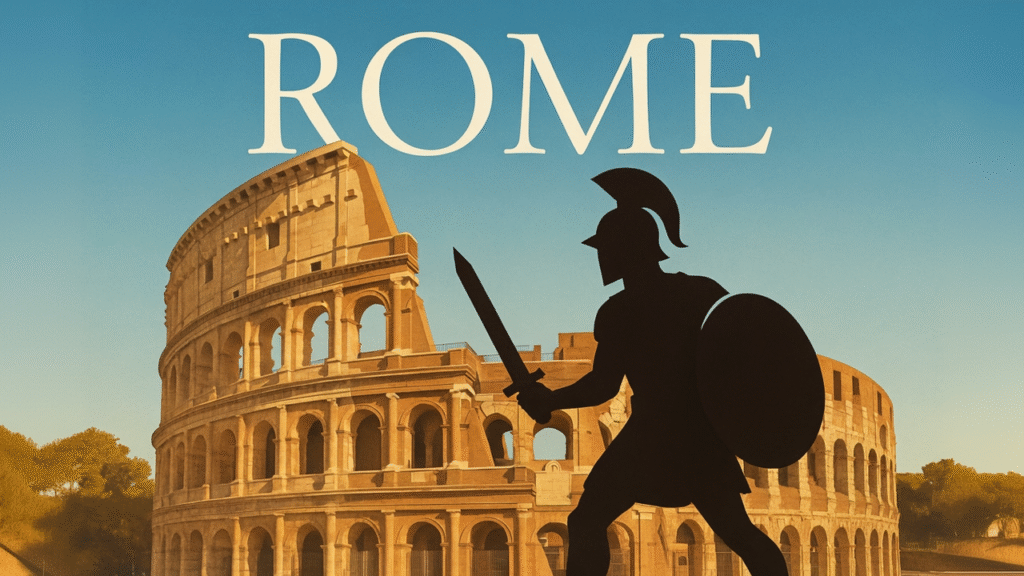
The reign of Commodus marked a significant turning point in the history of the Roman Empire, characterized by an increasing descent into tyranny and chaos. As one of the most controversial emperors, Commodus cultivated a volatile environment rife with conspiracies and political intrigue. His decisions, often viewed as erratic, alienated many senators and loyalists, sowing the seeds of resentment among those who once supported him.
At the peak of his erratic behavior, Commodus began to see threats lurking behind every corner. This paranoia heightened as various conspiracies surfaced, purportedly aiming to remove him from power. Notable figures in the Senate saw an opportunity to restore stability to the empire. Among these was the respected senator, Lucilla, Commodus’s sister, who allegedly plotted with others to assassinate him. Such plots were not mere whispers; rather, they reflected a significant unrest regarding Commodus’s growing tyranny. As fear and mistrust became rampant, the atmosphere within the Senate transformed into one of hostility and fear.
The culmination of these conspiracies transpired on the fateful night of January 31, 192 AD. Commodus faced a deadly threat in the form of a highly orchestrated assassination attempt. It was Claudius Pompeianus, a gladiator, who ultimately took the emperor’s life, signifying the violent and tumultuous climax of his reign. Commodus’s assassination not only marked the end of his tenure but also served as a cautionary tale regarding the perils of unchecked power and the vulnerability of even the most autocratic leaders.
History remembers Commodus through a complex lens—while his actions led to the decline of the stability within the Roman Empire, they also serve as an enduring lesson on the implications of tyranny and the fragile nature of imperial power. This historic narrative evokes reflection on how ambition and the pursuit of power can intertwine with one’s legacy, leaving behind consequences that resonate through the ages.
Reflection: Lessons from the Life of Commodus
The life and reign of Commodus serve as a poignant reminder of the complexities of leadership and the profound responsibilities it entails. As the son of the esteemed Emperor Marcus Aurelius, Commodus inherited not only power but also the expectations that come with it. His story underscores the perilous path of leadership when personal ambition overshadows duty. Commodus’s transformation from a promising ruler into a figure of tyranny epitomizes the potential for corruption that resides within the corridors of power. This metamorphosis invites contemporary leaders to reflect on the moral obligations associated with their positions.
One of the key lessons from Commodus’s life pertains to the attributes of effective leadership. It is essential for leaders to prioritize the welfare of their constituents over their self-interest. Commodus, in his pursuit of personal glory, prioritized entertainment and self-aggrandizement, which led to a divergence from the responsibilities of governance. This serves as a cautionary tale, reminding modern leaders that their actions have lasting effects on society and that legacy is built through service rather than spectacle.
Moreover, Commodus’s reign illustrates the significance of accountability. A leader must not only wield power but also accept the consequences of their decisions. The eventual downfall of Commodus, marked by discontent among the populace and betrayal from within his inner circle, highlights how unexamined authority can lead to catastrophic outcomes. By fostering an environment of accountability, contemporary leaders can inspire trust and cooperation among their followers, ensuring that their leadership is both ethical and effective.
In reflecting upon the life of Commodus, we are prompted to consider the delicate balance between ambition and integrity. These themes resonate through history and remain relevant today, inviting introspection on how we navigate our own paths of leadership and the legacies we aspire to create.
Visual Journey: Explore More Through Video
The progression of historical narratives, especially those related to significant figures such as Commodus, can greatly benefit from a visual representation. Integrating videos into the exploration of the Roman Empire not only enriches the storytelling experience but also aids in the comprehension of complex themes and events. As we delve into the life and reign of Commodus, the challenges faced during his rule, and the eventual decline of the Roman Empire, a carefully curated video can serve as an invaluable resource.
The video embedded below offers a visual journey through the timeline of Commodus’s life, highlighting key moments that defined his rule. By witnessing reenactments, expert analyses, and vivid animations, viewers are presented with a multi-dimensional understanding of the tumultuous period. This audiovisual element has the power to engage not only those who seek to learn about history but also those who appreciate storytelling through diverse mediums. Furthermore, it serves to complement the written content, allowing for a more holistic grasp of the intricate dynamics at play within the Roman Empire during Commodus’s reign.
Engaging with the video can enhance your insights into the motivations and actions of Commodus, as well as the reactions of Roman society and its institutions. The visuals vividly portray the political turbulence, cultural developments, and social issues of the time, making them accessible to a broader audience. By exploring this journey through the lens of both written and visual narratives, viewers can forge a deeper connection to the historical context and themes discussed. We encourage you to take a moment to immerse yourself in this engaging content, allowing it to further enhance your knowledge and appreciation of the Roman Empire and the enduring legacy of Commodus.