
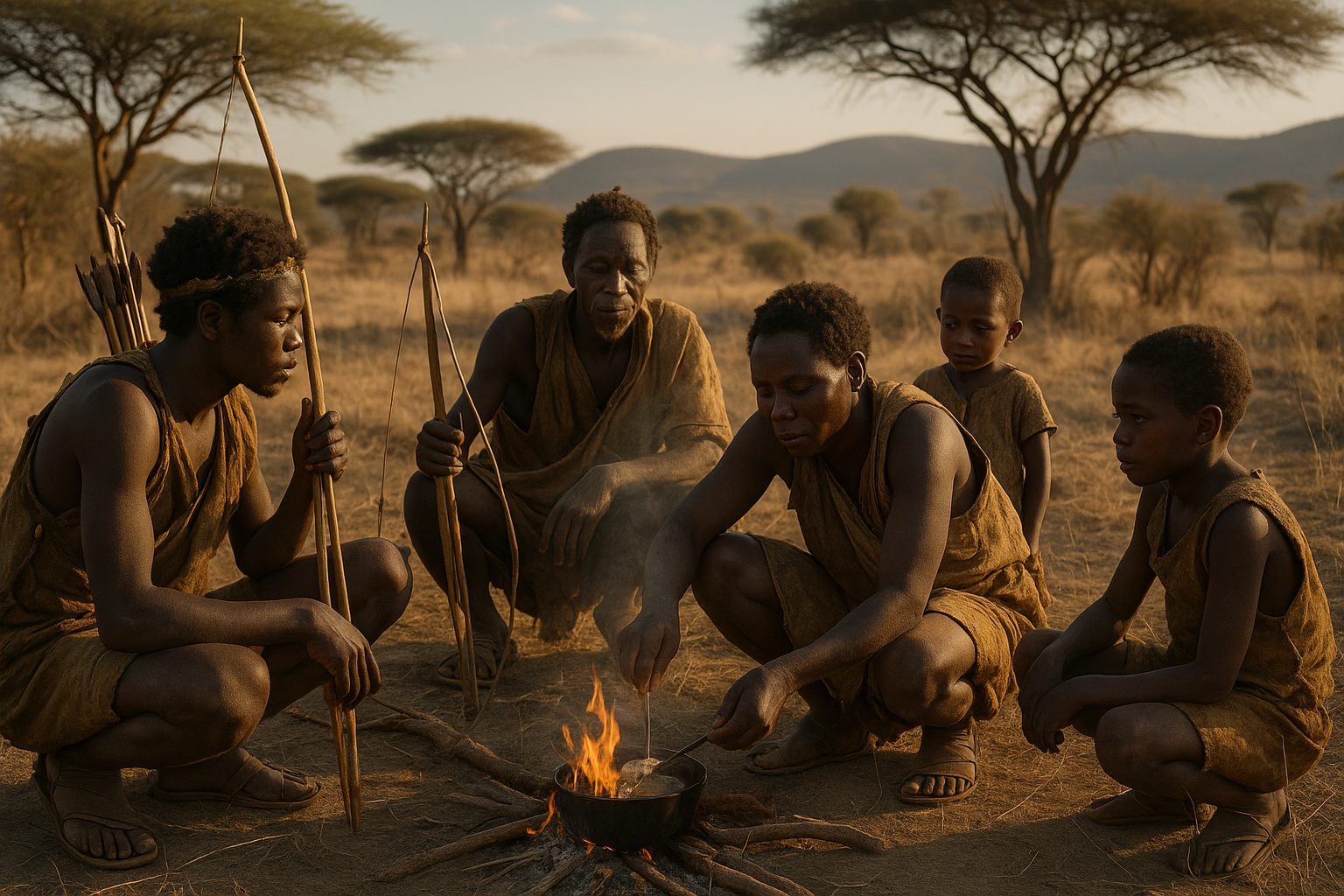

Introduction: A Journey into the Heart of the Wild
What does it mean to live in harmony with nature, untouched by modernity? The Hadzabe tribe, one of the last remaining hunter-gatherer societies in Tanzania, offers a glimpse into a lifestyle that has persisted for thousands of years. Nestled in the stunning landscapes surrounding Lake Eyasi, the Hadzabe inhabit a remarkable world characterized by rich biodiversity and a profound connection to the natural environment. Their story is not merely one of survival; it is a testament to resilience and adaptability amidst the ever-encroaching forces of change.
The Hadzabe people possess a unique cultural identity shaped by their deep-rooted traditions, which guide their daily lives. Living as foragers, they rely on a vast knowledge of local flora and fauna, using sophisticated techniques to hunt and gather food. Their existence is not governed by the concepts of property or wealth, but instead by a communal understanding of sharing and cooperation. As they traverse the wilderness, each member of the tribe plays a crucial role, employing skills honed over generations to sustain both themselves and their community.
In an era where globalization threatens to dismantle ancient ways of life, the preservation of the Hadzabe tribe’s culture holds significant importance. Documenting their practices and customs serves not only to celebrate their heritage but also to provide insights into sustainable living that the modern world can learn from. As we embark on this exploration of the Hadzabe tribe, we invite you to delve deeper into their extraordinary existence—one that balances tradition with the complexities of a rapidly evolving environment. Join us on this journey of discovery as we endeavor to unveil the resilience of a people who have thrived amid the wilderness for centuries.
The Hadzabe Tribe: An Overview
The Hadzabe tribe, one of the last remaining hunter-gatherer communities, resides in the northern highlands of Tanzania, primarily around Lake Eyasi and the adjacent rift valley. This region provides them with a diverse habitat that supports their age-old practices of foraging and hunting. Their lifestyle is intricately tied to the land, with the tribe effectively utilizing the resources available to sustain themselves. The Hadzabe population is estimated to consist of about 1,000 individuals, making them a small yet significant group within the cultural tapestry of Tanzania.
The Hadzabe people have a rich historical background, with some anthropologists suggesting they may have inhabited this region for over 10,000 years. This long history has allowed them to develop unique cultural traits that emphasize an intimate relationship with their environment. Their nomadic tendencies are a defining characteristic, as they often reposition themselves according to the availability of resources such as water and food. The Hadzabe do not have permanent settlements, choosing instead to live in temporary camps that can quickly be established or disbanded, demonstrating their adaptive resilience to changing ecological conditions.
Socially, the Hadzabe community operates on an egalitarian structure, where there are minimal hierarchies. Decisions are often made collectively, reflecting the tribe’s emphasis on cooperation and shared responsibility for survival. Additionally, their spiritual beliefs are deeply rooted in nature, showcasing a profound respect for the land and the creatures inhabiting it. This connection to the environment is evident in their traditional rituals and practices, which honor the spirits of the animals they hunt and the land they traverse. Through their nomadic lifestyle, egalitarian social norms, and spiritual ties, the Hadzabe tribe exemplifies a unique model of human resilience in the face of modern challenges.
Living in Harmony with Nature
The Hadzabe tribe has long exemplified the profound relationship between humanity and the natural world, existing in a delicate balance that enables survival in one of Tanzania’s most challenging ecosystems. Their foraging practices, rooted in centuries of knowledge, are a testament to their intimate understanding of the environment. Each day, members of the tribe immerse themselves in the sights and sounds of the wilderness, listening to the rustle of leaves and the calls of various birds that indicate the best spots for gathering edible plants and fruits. Women often take the lead in foraging, skillfully locating wild tubers and berries, while men focus on hunting, evoking skills honed through generations.
The hunting techniques employed by the Hadzabe are equally impressive, showcasing a blend of traditional methods and acute awareness of animal behavior. With bows crafted from sturdy wood and arrows tipped with sharp stone, they stalk their prey through the dense underbrush. The silence of their movement is punctuated only by the soft crunch of twigs underfoot and the whisper of the wind, creating a symphony of wilderness that envelops them. As they hunt, they rely not only on their physical prowess but also on the collective wisdom passed down over generations that informs them about the best times and places to hunt specific animals. This holistic approach ensures that the populations of various species remain stable and secure.
Sustainable resource management is woven into the fabric of the Hadzabe’s lifestyle. They understand the importance of leaving nature unharmed, practicing a form of ecological stewardship that involves taking only what is necessary. This principle is evident in their migratory patterns, which revolve around seasonal changes, allowing areas to regenerate and ensuring that natural resources remain abundant for future generations. Each gathering and hunt serves a purpose, reflecting their respect for nature and their commitment to living harmoniously within it. In essence, the Hadzabe embody the survival instincts that emerge from a deep and reciprocal relationship with their surroundings.
Cultural Significance and Traditions
The Hadzabe tribe, an indigenous community residing around Lake Eyasi in Tanzania, exhibits a rich tapestry of cultural traditions that are vital to their identity. Central to their social structure is the use of the Hadzane language, a click language that not only serves as a means of communication but also plays a significant role in the tribe’s oral history. Language, for the Hadzabe, is an embodiment of their values and beliefs, reinforcing their collective identity.
Music and dance are integral to the social customs of the Hadzabe, often accompanying rituals, social gatherings, and celebrations. Traditional songs, passed down through generations, narrate stories of their ancestors, battles fought, and the rhythms of daily life. The dynamic beats and movements of their dances are not merely performances but a form of storytelling. These traditional arts serve as a vital connection to their past, ensuring that cultural knowledge is preserved and imparted to younger generations.
Storytelling is another significant tradition among the Hadzabe. Elders recount folktales that encapsulate moral lessons, philosophies, and the tribe’s understanding of the world around them. For instance, one popular tale features a clever hare who outsmarts larger animals, symbolizing the value of intelligence over brute strength. These narratives are not only entertaining but also enrich the moral fabric of the tribe, shaping the values instilled in children from an early age.
Moreover, oral history plays a crucial role in the preservation of their identity. Through tales of their origins and shifts in their environment, the Hadzabe establish a sense of continuity, reinforcing their connection to the land and each other. The storytelling tradition, combined with their unique language and practices, solidifies their cultural significance, ensuring that the essence of the Hadzabe tribe endures through the trials of time.
Challenges Faced by the Hadzabe Tribe
The Hadzabe tribe, an indigenous people of Tanzania, is facing a multitude of challenges that threaten their traditional way of life. One of the most pressing issues is land encroachment. As modern agricultural practices and urban development expand, the traditional hunting grounds of the Hadzabe are increasingly diminished. This encroachment not only limits their access to essential resources but also disrupts their cultural practices centered around hunting and gathering.
Loss of traditional hunting grounds has significantly impacted the Hadzabe’s socio-economic stability. As they rely heavily on hunting and foraging for sustenance and livelihood, the reduction of available wildlife and natural resources poses an existential threat. Hunting, which holds immense cultural significance for the Hadzabe, is not merely a means of survival; it is intertwined with their identity and way of life. The decline in animal populations due to overhunting and habitat destruction further complicates their ability to maintain their heritage.
Moreover, climate change exacerbates these challenges by altering weather patterns and affecting wildlife migration. Unpredictable rainfall and prolonged droughts contribute to food scarcity, further destabilizing the Hadzabe’s already precarious living conditions. As the ecosystem on which they depend changes, their resilience is tested, placing additional stress on their socio-economic frameworks.
In the broader context of indigenous rights, the challenges faced by the Hadzabe tribe highlight crucial issues related to environmental conservation and cultural preservation. Advocacy for indigenous rights has become increasingly important, as it is clear that the survival of the Hadzabe tribe is not solely about maintaining their way of life but also about preserving biodiversity and eco-cultural heritage. The plight of the Hadzabe underscores a critical need for comprehensive strategies that respect indigenous knowledge and rights while promoting environmental sustainability.
The Voices of the Hadzabe: Personal Narratives
The Hadzabe tribe, residing in the rugged terrain of Tanzania, possesses a wealth of personal stories that paint a vivid picture of their daily lives and cultural heritage. In intimate conversations with several members, their narratives reveal a profound connection to nature, persistence in their traditions, and a resilient spirit in the face of external challenges.
One elder, Mzee Juma, spoke passionately about his childhood, recounting how he and his siblings would roam the woodlands, foraging for fruits and hunting small game. “The land is our mother,” he stated, reflecting on the deep respect the Hadzabe have for their environment. “It nourishes us, and we in turn protect it.” This cyclical bond emphasizes not only their sustenance but also their role as stewards of the land.
Young women of the tribe, such as Amani, shared insights into their day-to-day experiences. “I gather wild honey with my friends,” she said, her eyes sparkling with pride. “It is hard work, but it is also joyful. We sing and laugh together.” This communal activity reinforces their close-knit relationships, highlighting the importance of cooperation in their lifestyle.
The Hadzabe also navigate the complexities of modernity while striving to maintain their identity. As noted by a passionate young man named Kito, “We see changes around us, but our spirit remains. We adapt like the trees, bending but not breaking.” This adaptability signifies their resilience, as they explore new avenues in their coexistence with the modern world while fiercely holding on to their ancestral customs.
Through these personal narratives, the voices of the Hadzabe resonate with tenacity, a rich cultural tapestry woven through generations. Their stories reinforce the importance of cultural pride, the strength found in community, and a relentless commitment to their way of life, illustrating how the Hadzabe tribe continues to thrive amidst changing circumstances.
Preservation of Heritage and Cultural Identity
The Hadzabe tribe, one of Africa’s last remaining hunter-gatherer communities, faces significant challenges in preserving their unique heritage and cultural identity amid increasing modern influences. Local and international organizations are now engaging in various initiatives aimed at safeguarding the Hadzabe way of life. These efforts are critical in promoting understanding and respect for the tribe’s traditions, particularly in this era of rapid globalization.
One prominent initiative focuses on documenting the Hadzabe’s traditional knowledge and practices. By recording their methods of foraging, hunting, and their deep understanding of the local ecosystem, these projects seek to ensure that future generations can learn about their ancestral ways. Moreover, partnerships with anthropologists and cultural organizations have facilitated workshops that aim to transmit these valuable skills and knowledge to the youth, fostering a renewed interest in their cultural identity.
In navigating the balance between traditional practices and modern influences, the Hadzabe tribe has shown remarkable resilience. Many young members of the tribe are now venturing into formal education, which provides them with opportunities to engage with broader societal influences while still honoring their cultural roots. Local educational programs are designed to incorporate traditional teachings alongside contemporary subjects, blending the old with the new. This dual education system not only prepares the youth for modern challenges but also emphasizes the significance of their heritage.
Furthermore, the importance of cultural identity among the youth cannot be overstated. As they become more exposed to the outside world, retaining a sense of belonging to their tribe will be vital. Community gatherings, storytelling sessions, and participation in traditional ceremonies continue to be essential in instilling pride in their cultural heritage. The Hadzabe’s commitment to preserving their identity amid cultural shifts showcases the resilience of their people, ensuring that their unique way of life is celebrated and sustained for future generations.
Reflections: What We Can Learn from the Hadzabe Tribe
The Hadzabe tribe, residing in the rugged landscapes of northern Tanzania, offers significant insights into sustainable living, a profound respect for nature, and the value of community. Their nomadic lifestyle, rooted in hunting and gathering, demonstrates a harmonious relationship with the environment. This relationship is characterized by a deep understanding of local ecosystems, biodiversity, and sustainable practices that have enabled them to thrive for generations.
One of the most striking lessons from the Hadzabe is the emphasis on sustainability. Their foraging practices reflect an acute awareness of natural cycles and resource management. They harvest only what is needed, ensuring that their actions do not deplete resources, which is a valuable lesson for modern societies often characterized by consumerism. In a world facing environmental degradation, embracing more sustainable practices in our daily lives could significantly alleviate pressures on our ecosystems. This could mean adopting habits such as minimizing waste, supporting local agriculture, or engaging in responsible consumption.
Moreover, the Hadzabe’s communal way of life emphasizes the importance of social bonds and collective support. In their community, the well-being of the group takes precedence over individual pursuits. This solidarity enhances resilience, providing strong support systems in times of need. In contrast, contemporary lifestyles often promote individualism, leading to social isolation. Emulating the Hadzabe’s commitment to community can inspire us to foster stronger connections with our neighbors and engage more actively in collective efforts that benefit society.
As we reflect on the Hadzabe tribe’s unique way of life, we are encouraged to reassess our lifestyles and choices. By incorporating lessons of sustainability and community into our daily routines, we can cultivate a deeper respect for nature and enhance societal bonds. Ultimately, the Hadzabe tribe challenges us to rethink what constitutes a fulfilled and resilient life in today’s world.
Explore More Through Video
To fully grasp the rich narrative of the Hadzabe tribe and their enduring connection to the land, we encourage you to engage with visual content that brings their culture and lifestyle to life. Videos offer a unique opportunity to experience the serene landscapes and intricate traditions of the Hadzabe, offering viewers a deeper understanding of their challenges and triumphs. The visual medium not only showcases the beauty of their environment but also highlights the resilience of this indigenous group.
By watching the embedded video, you will gain insights into the daily rituals, hunting techniques, and social dynamics that define the Hadzabe way of life. The footage captures stunning scenes from the wilderness where they thrive, illustrating how they have adapted to their surroundings over generations. Observing their interactions with nature and each other provides a profound sense of connection that static images or text alone might not convey.
Furthermore, engaging with video content allows for a more immersive experience. It allows you to appreciate the authenticity of their experiences, enhancing your understanding of their challenges against modern pressures and environmental changes. Each frame is a testament to their enduring spirit and adaptability in the face of adversity. We invite you to take a moment to watch the video and reflect on the vibrant culture of the Hadzabe. By doing so, you enrich not only your knowledge but also help preserve the awareness of this incredible tribe’s story.
Your journey into the world of the Hadzabe tribe does not need to end here; let the visuals inspire you to learn more about this resilient community. As you watch, consider how their experiences relate to broader themes of sustainability, cultural preservation, and the symbiotic relationship between humans and nature.