

A Journey Begins: Who Are the Kalash?
The Kalash people, an enigmatic tribe nestled in the mountainous regions of northern Pakistan, invoke intrigue and curiosity among anthropologists, tourists, and cultural enthusiasts alike. Their distinct identity and vibrant culture stand in stark contrast to the predominantly Islamic population in Pakistan. The question arises: What makes the Kalash so different, and why do they continue to capture the fascination of those who encounter them?
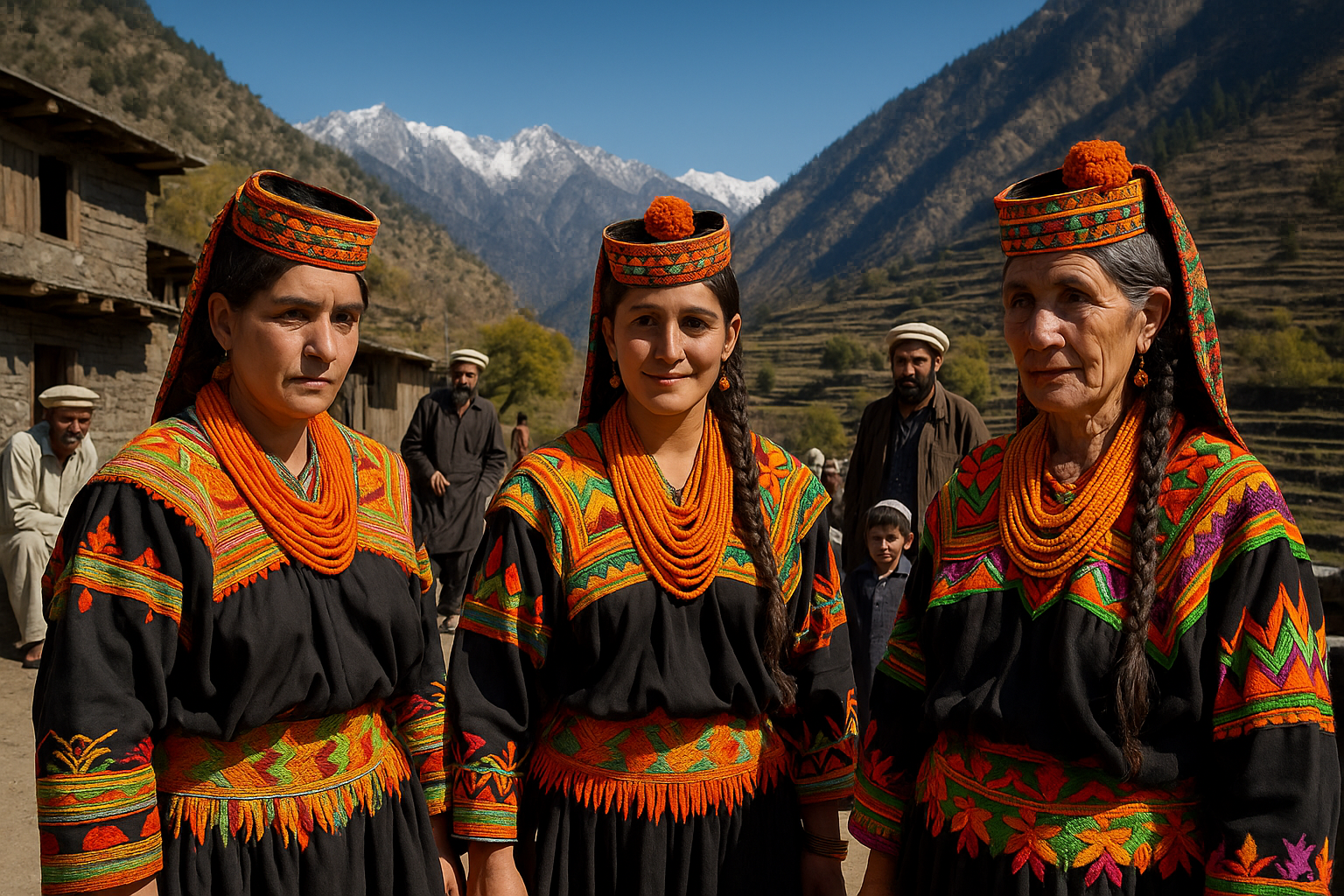
The Kalash are renowned for their unique customs, traditional dress, and polytheistic beliefs, which have persisted through the ages. Their belief system is a tapestry woven from ancient traditions, intertwined with the rituals and festivals that celebrate their rich heritage. The Kalash are known for their striking attire, especially the intricate, colourful garments worn by the women, often adorned with elaborate embroidery and accessorized with beaded jewellery. Such attire is not just clothing; it serves as a symbol of their cultural pride and individuality.
One of the most captivating aspects of the Kalash people is their vibrant festivals, which reflect their deep connection to nature and the spiritual world. Events like the Joshi festival, celebrated with music, dance, and feasting, draw visitors from around the world, offering a glimpse into the community’s joyful spirit and communal bonds. Unlike the dominant cultures surrounding them, the Kalash practice rituals that honor their deities and ancestral spirits, showcasing a lifestyle that merges the sacred and the everyday.
Understanding the Kalash is essential to appreciating the broader tapestry of cultural diversity within Pakistan. Their persistence in preserving their unique customs amidst external pressures is a testament to the resilience of their identity. As more people seek to learn about this hidden tribe, curiosity about their way of life grows, prompting a deeper engagement with the vibrant story of the Kalash people.
A Walk Through History: Origins of the Kalash
The Kalash people, an ethno-religious group residing in the mountainous valleys of Northern Pakistan, are renowned for their vibrant culture and distinct traditions. Their origins can be traced back to the ancient times when they are believed to be descendants of the Indo-Aryan tribes that migrated into the region. This migration is thought to have occurred around 2000 BCE, although variations in historical accounts make precise dating challenging.
Throughout the centuries, the Kalash have remained relatively insulated from external influences, which has allowed them to preserve their unique identity. Nestled among the towering peaks of the Hindu Kush mountains, the Kalash valleys of Bumut, Rumbur, and Birir serve as a natural barrier, enabling a degree of isolation from surrounding cultures. This physical seclusion significantly contributed to the preservation of their language, traditions, and beliefs, which have been passed down through generations, often through oral storytelling and communal rituals.
An intriguing aspect of Kalash history is their vibrant pantheon of deities and distinct belief system, which heavily influences their daily lives and social structure. The Kalash worship a variety of gods and goddesses, with rituals and festivals deeply intertwined with agriculture and seasonal changes. Their most famous festival, Chilam Joshi, celebrates the arrival of spring and showcases their joyous spirit, as communities unite to honor their deities with music, dance, and feasting.
Despite facing numerous challenges and influences, including the spread of Islam in the region, the Kalash have successfully maintained their cultural practices and rituals. Their resilience can be seen in their customs, attire, and vibrant celebrations, forming a rich tapestry that represents the essence of their identity. This ability to retain their unique characteristics amid external pressures is a testament to the strength and importance of cultural heritage for the Kalash people.
Embracing Diversity: Kalash Culture and Traditions
The Kalash people, one of the most vibrant and unique communities in Pakistan, are renowned for their rich cultural heritage. Nestled in the picturesque valleys of Chitral, the Kalash community has maintained a set of distinct customs and traditions that continue to thrive despite the encroaching influence of modern society. Central to their identity is a polytheistic belief system, where the worship of multiple deities shapes their daily life and cultural practices. This belief in numerous gods not only influences their religious ceremonies but also plays a crucial role in their community cohesion.
One of the most striking aspects of Kalash culture is their traditional attire, which is characterized by bright colors and intricate embroidery. Both men and women adorn themselves in these vibrant garments during festivals and rituals, showcasing their cultural pride. Women typically wear long, flowing dresses with elaborate necklaces and headpieces that symbolize their marital status and social standing within the tribe. These garments serve as an embodiment of their identity and connection to their ancestors.
Music and dance are integral to Kalash life, offering an expressive outlet that fosters community bonding. The Kalash people engage in lively dances during their numerous festivals, with each movement steeped in symbolic meaning. The Uchoon festival, celebrated in the summer, is especially noteworthy as it marks the harvest and is a time for feasting, dancing, and communal joy. Similarly, during the Chilam Joshi festival, which celebrates the arrival of spring, vibrant music and dance are at the forefront, inviting participation from the entire community.
The Kalash people’s festivals and rituals represent more than just cultural traditions; they act as vital connections to their history and identity. By embracing their diverse beliefs, unique customs, and vibrant celebrations, the Kalash people exemplify the richness of cultural diversity within Pakistan.
The Language of the Mountains: Kalasha Language
The Kalasha language is a remarkable representation of the rich cultural heritage of the Kalash people, a small and unique ethnic group residing in the mountainous valleys of Pakistan, specifically in the Chitral district. As a member of the Dardic branch of the Indo-Aryan language family, Kalasha boasts distinctive linguistic traits that set it apart from neighboring languages. With a lexicon that encapsulates the community’s traditions, beliefs, and natural surroundings, Kalasha serves as a vehicle for the transmission of their oral histories and rituals, which are integral to their societal identity.
One of the defining features of the Kalasha language is its oral tradition, which is pivotal for the preservation of the community’s stories, myths, and ancestral knowledge. Elders play a crucial role as custodians of this oral heritage, recounting tales that not only entertain but also educate younger generations about their cultural roots. This practice of storytelling fosters a sense of belonging and cultural continuity among the Kalash, allowing them to retain their identity amidst external pressures.
However, the Kalasha language faces significant challenges in a rapidly globalizing world. The encroachment of modernity, coupled with the influence of dominant languages such as Urdu and English, poses a threat to the vitality of Kalasha. As younger members of the community increasingly interact with outsiders and adopt global cultural practices, the use of their native language diminishes, leading to concerns about its future viability. Recognizing the importance of their language in defining their identity, efforts have begun to preserve and revitalize Kalasha through educational programs and community initiatives.
Ultimately, the survival of the Kalasha language is critical not only for the tribe’s cultural expression but also as a testament to their resilience. As they navigate a changing world, the preservation of their linguistic heritage remains a reflection of their unique identity and the unwavering spirit of their community.
Folklore and Legends: Stories from the Heart
The Kalash people, an indigenous community nestled in the mountains of northern Pakistan, are renowned for their rich tapestry of folklore and captivating legends. Among the vibrant tales is that of the ‘Mother of Wisdom,’ the revered figure who bestowed knowledge upon the Kalash. According to legend, she appeared one starry night, draped in a robe of shimmering stars, offering riddles that tested the wit and wisdom of her listeners. Each riddle carried profound meanings, imparting morals that shaped the community’s values of intelligence, bravery, and kindness. As the tale unfolds, it is said that those who grasped the solutions were blessed with insight, entrusted with the responsibility of passing down knowledge to future generations.
Another enchanting story is the legend of ‘Koh-e-Lum,’ the mountain whose snow-capped peaks symbolize purity and resilience. The tale recounts the struggle of a brave warrior who ventured into the treacherous icy heights to rescue his beloved, who was taken by a fierce blizzard spirit. This journey represents the Kalash belief in sacrifice; the warrior’s perseverance encapsulates the values of love and determination. The elders often narrate this story in the glow of the evening fire, emphasizing how love can conquer all obstacles, cultivating a sense of hope and courage within the community.
Moreover, the Kalash celebrate several festivals throughout the year that are steeped in folklore. The festival of ‘Uchal’ is particularly notable, where stories of the harvest and abundance are shared among the villagers, highlighting the deep connection between the land and the people. These tales are not merely entertainment but serve as vital threads that weave the cultural identity of the Kalash, encapsulating their beliefs, aspirations, and moral lessons. In practicing their oral traditions, the Kalash sustain a living history, ensuring that each story, rich with history, reverberates through the hearts of the younger generations.
Voices from the Valley: Personal Interviews
Engaging with the Kalash people reveals a rich tapestry of culture, tradition, and heartfelt aspirations that often go unnoticed by the outside world. During a recent visit to the enchanting valleys of Kalash, I had the privilege of conversing with several community members, each sharing their unique perspectives. One of the elders, Gulamir, spoke passionately about the preservation of their cultural heritage amidst the challenges posed by modernization. He emphasized, “Our festivals, music, and dances are not just entertainment; they are the essence of our identity.” His commitment to teaching the younger generation about their customs highlights a deep-rooted aspiration to keep their history alive.
Another individual, a young woman named Faiza, expressed her concerns regarding education and opportunities for her peers. “We want to learn, to grow, but our isolation makes it difficult to access quality education,” she reflected. Faiza’s ambition to become a teacher and return to her village illustrates the hope many have for a brighter future. Yet, it also underlines a struggle common to many indigenous communities attempting to balance tradition with the demands of contemporary life.
Conversations with the Kalash demonstrate a universal desire for respect and understanding. Zaman, a local craftsman, voiced his enthusiasm for sharing their art with the world. “I want people to appreciate our craftsmanship and understand the stories behind it,” he said, emphasizing the importance of dialogue in fostering cultural appreciation. The Kalash community resonates with a profound sense of pride, coupled with a longing for recognition and support in preserving their unique way of life.
Through these personal interviews, the voices of the Kalash people echo their resilience, aspirations, and challenges. Their stories are not just isolated narratives; they reflect a broader struggle for cultural survival in a rapidly changing world, inviting us to listen, understand, and respect their heritage.
Challenges of Modernity: Kalash in Today’s World
The Kalash people, an ancient and vibrant ethnic group residing in the mountainous regions of Pakistan, face numerous challenges as they navigate the complexities of modernity. One of the most pressing issues they encounter is cultural erosion. As globalization permeates every corner of society, the distinct traditions, rituals, and languages of the Kalash are at risk of being diluted. The influx of modern lifestyles, media influences, and educational trends poses a significant threat to their unique heritage. Parents often worry about their children abandoning traditional practices for contemporary ways of living, leading to a gradual disconnection from their rich cultural identity.
Another critical challenge is the impact of climate change on the Kalash’s agrarian lifestyle. The changing weather patterns disrupt traditional farming practices that have sustained the community for generations. Droughts, erratic rainfall, and shifting seasons affect their crop yields, making it increasingly difficult for the Kalash to support their families and retain their traditional ways of living. As they encounter these environmental challenges, the Kalash are often forced to adapt to new methods of sustenance, further complicating their efforts to maintain their cultural identity.
The impact of tourism, while providing some economic benefits, also complicates the Kalash’s efforts to preserve their heritage. The increasing number of visitors drawn to their festivals and unique way of life can lead to commercialization, which may misrepresent their rich cultural practices. The Kalash people strive to balance the benefits of tourism while protecting the authenticity of their traditions. Engaging with tourists allows them to share their culture but may also impose external influences that could threaten their customs in the long run.
Ultimately, while the Kalash people face substantial challenges in a modernizing world, they demonstrate resilience and creativity in preserving their heritage. They actively engage in dialogues about their identity, seeking to maintain their traditions amidst change. The future of the Kalash community depends on their ability to adapt and innovate while holding steadfastly to the core values and customs that define them.
A Bridge to Understanding: Cultural Preservation Efforts
The Kalash people, known for their distinctive cultural practices and vibrant traditions, face numerous challenges in preserving their unique identity amidst rapid globalization and modernization. Various stakeholders, including local communities, non-governmental organizations (NGOs), and government initiatives, are collaborating to implement effective measures aimed at safeguarding the Kalash culture.
One notable effort comes from the local communities themselves, where elders and youth are working together to document oral histories, traditional songs, and dances. These initiatives not only enhance community cohesion but also educate younger generations about their cultural heritage. Workshops and cultural festivals organized by the Kalash villagers serve as a platform to celebrate their customs in a manner that engages and attracts the attention of both locals and tourists alike.
In addition to grassroots initiatives, several NGOs are actively involved in the preservation of Kalash traditions. Organizations like the Kalasha Dur Museum have been instrumental in curating cultural artifacts, facilitating research, and providing educational resources. They promote awareness of the Kalash culture through tourism, which is carefully managed to ensure that the income generated benefits the community without compromising their traditional practices. Furthermore, projects focusing on sustainable tourism offer an alternative income source, mitigating the impact of modernization on the local way of life.
Government involvement also plays a crucial role in these preservation efforts. Policies aimed at protecting minority rights and heritage have been implemented, emphasizing the importance of cultural diversity in Pakistan. Efforts to include Kalash voices in decision-making processes help ensure that development projects respect and incorporate traditional practices.
Ultimately, the collective commitment to cultural preservation highlights the significance of maintaining the identity of the Kalash people, ensuring that their rich heritage continues to thrive alongside modern influences. Through the coming together of community-led initiatives, NGO support, and governmental action, the Kalash culture stands a better chance of enduring in the face of global change.
Reflections and Takeaways: The Kalash Legacy
The Kalash people, residing in the remote valleys of Pakistan, epitomize resilience in the face of an ever-evolving sociocultural landscape. Their unique traditions and vibrant customs illustrate a strong sense of identity, deeply embedded in their daily lives and spiritual practices. Despite external pressures and the threats posed by modernization, the Kalash continue to uphold their cultural heritage, demonstrating an admirable commitment to their way of life. This resistance is not merely a struggle for survival but a testament to the significance of preserving diverse cultures in a world that often favors uniformity.
Their understanding of community is particularly noteworthy. The Kalash place great emphasis on social bonds, collective responsibility, and shared rituals, reinforcing their identity as a distinct group within the larger Pakistani society. Their festivals, centered around agricultural cycles and communal gatherings, highlight not only their agrarian roots but also the importance of unity, joy, and festivity in human experience. These celebrations serve as powerful reminders of the values that thrive within their culture—values worth reflecting upon in our own societies.
As we consider the lessons imparted by the Kalash, it is crucial to acknowledge our role in fostering cultural diversity. In an increasingly homogenized world, where globalization often dilutes cultural distinctions, we must prioritize efforts to learn from the Kalash’s experiences. Engaging with their narrative encourages a broader understanding of identity and cultural narratives, inspiring us to reflect on what we can learn from others. How does our own cultural background shape our worldview, and how can we encourage a more inclusive society that honors the uniqueness of all cultures? The Kalash people remind us of the vitality that cultural diversity brings to human existence, urging us to embrace and celebrate our differences.
A Deeper Dive: Watch the Video
To fully appreciate the intriguing culture and traditions of the Kalash people, it is beneficial to engage with immersive visual content. The Kalash community, residing in the northern region of Pakistan, presents a fascinating narrative that encapsulates their unique lifestyle, beliefs, and vibrant festivals. Embedded within this article is a video that serves as a visual exploration of their everyday life, ceremonial practices, and the stunning landscapes they inhabit. By watching this video, viewers can gain a closer look at the rich cultural heritage of the Kalash, which words alone may fail to convey.
The video complements the textual insights provided in this article, allowing readers to witness the vibrant colors of the Kalash attire, the intricate rituals during festivals, and the picturesque valleys that define their homeland. Moreover, it highlights personal stories and interviews with members of the community, offering depth to the narrative and enabling viewers to connect emotionally with the Kalash people. Through their voices, we are invited to understand their challenges and triumphs in preserving their traditions amid modernization and globalization.
For anyone intrigued by the Kalash people’s way of life, this visual piece is an invaluable addition to the narrative. It seeks to bridge the gap between the written word and the lived experience, creating a more holistic understanding of this captivating tribe. Connecting these insights through visual storytelling enhances the appreciation of their culture and invites greater empathy towards their ongoing journey. Hence, we encourage you to watch the video, as it is a compelling invitation to explore the Kalash people further and gain an enriched perspective on their hidden world.