

Introduction: The Spark of Curiosity
Have you ever pondered the profound implications of nuclear science on our modern existence? From the dawn of the atomic age to contemporary advancements in nuclear technology, the field has consistently shaped our understanding of energy, medicine, and national security. The National Museum of Nuclear Science and History serves as a compelling portal into this complex narrative, inviting visitors to explore the intricacies and innovations that have characterized humanity’s relationship with nuclear science.
Located in Albuquerque, New Mexico, the museum captures the vast historical and cultural significance of nuclear science. It offers an organized collection of artifacts, exhibits, and interactive displays that unravel the journey of nuclear technology—from its controversial inception to its pivotal role in shaping global policies and everyday life. As you step through the museum’s doors, you are greeted not only with the stories of scientists and researchers but also with the ethical dilemmas that accompany the nuclear age.
The experiences within the museum are designed to spark curiosity and promote engagement, encouraging visitors to question and reflect on the past, present, and future of nuclear science. Each exhibit serves as a reminder of the delicate balance between innovation and responsibility, demonstrating how scientific breakthroughs can lead to both progress and peril. Here, you will find accounts of remarkable inventions and tragic events, illustrating the dual nature of nuclear technology.
As we embark on this immersive journey through time and innovation, we invite you to foster a deeper understanding of nuclear science, appreciate its complexities, and consider its ongoing impact on our world. The National Museum of Nuclear Science and History not only educates but also inspires a meaningful dialogue about our collective future, driven by curiosity and insight.
A Brief History of Nuclear Science
Nuclear science, as a discipline, has its roots entrenched in the early explorations of atomic theory and radioactivity. The conception of the atom dates back to ancient Greece, but it wasn’t until the late 19th and early 20th centuries that the field began to take shape with the foundation laid by figures such as John Dalton and Dmitri Mendeleev. The discovery of radioactivity by Henri Becquerel in 1896 marked a significant turning point, leading to extensive research by pioneers like Marie Curie, who coined the term “radioactivity” and highlighted its potential applications.
The early 20th century witnessed pivotal moments in nuclear science, particularly the discovery of the neutron by James Chadwick in 1932. This breakthrough provided a clearer understanding of atomic structure and was fundamental to the development of nuclear fission. In 1938, German physicists Otto Hahn and Fritz Strassmann made history by discovering nuclear fission, igniting a wave of research that would eventually lead to the creation of nuclear reactors and atomic bombs. Their work catalyzed major advancements in both civilian energy production and military applications.
The intertwined relationship between science and society became especially pronounced during the mid-20th century. The Manhattan Project, which culminated in the development of atomic bombs, showcased the dual-edged sword of nuclear science—its capacity for destruction and its potential for energy generation. The post-war era influenced public perception, leading to debates over nuclear energy’s utility versus its dangers. Notable figures such as Albert Einstein and Robert Oppenheimer emerged, voicing concerns about ethical implications and regulatory oversight in nuclear research.
As we moved into the late 20th and early 21st centuries, advancements in nuclear technology continued to shape society, from medical applications in cancer treatment to nuclear power’s role in addressing energy needs. This rich historical context emphasizes the significance of nuclear science and its profound impact on our world.
The National Museum of Nuclear Science and History: An Overview
The National Museum of Nuclear Science and History, located in Albuquerque, New Mexico, serves as a pivotal institution dedicated to preserving the legacy of nuclear science and its profound impact on society. Established with the mission to educate the public about nuclear history, science, and its applications, the museum actively engages visitors through dynamic exhibits and enlightening programs. Its vision is not only to preserve the past but also to inspire future generations to understand and innovate within the field of nuclear science.
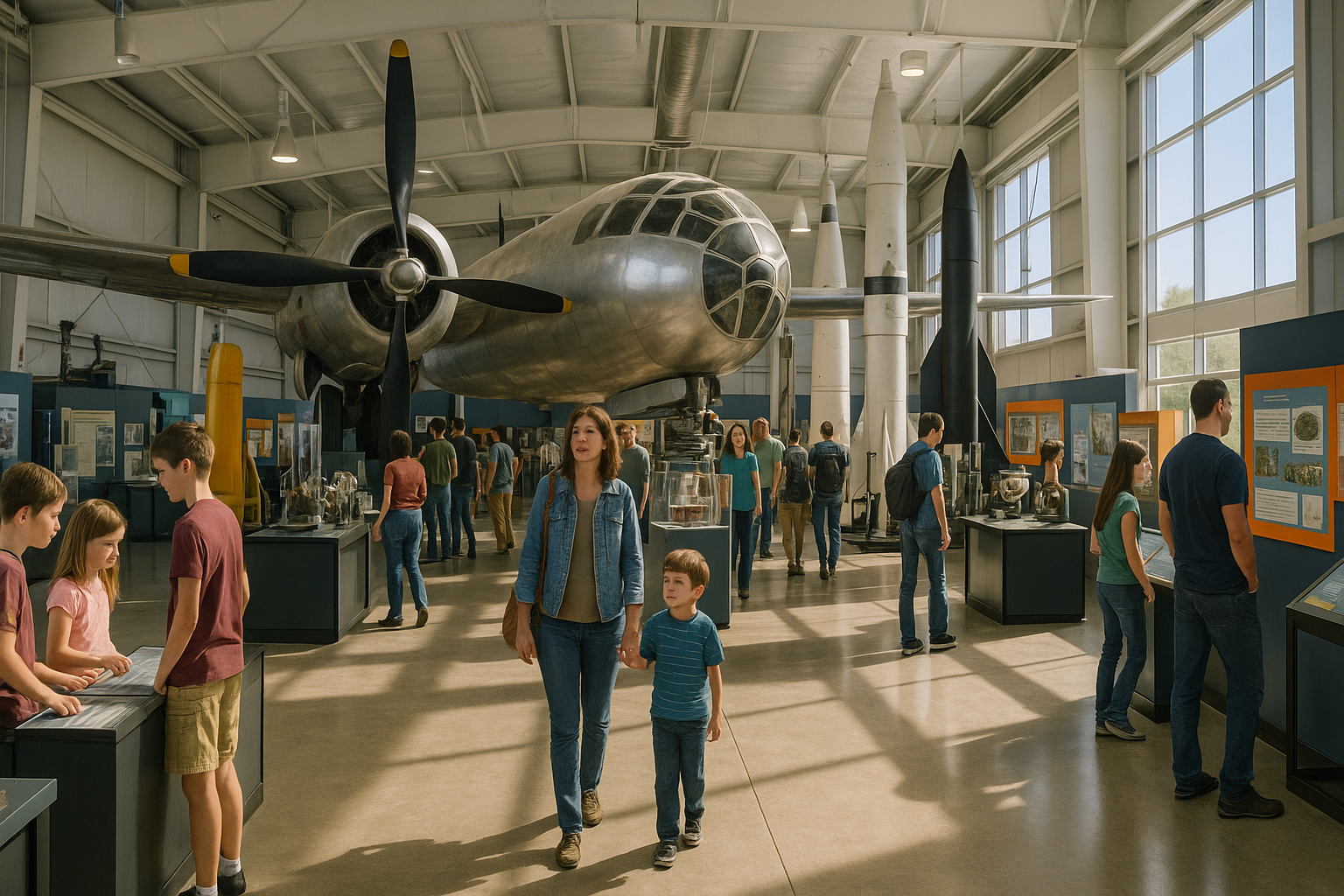
The museum features an array of unique exhibits that chronicle the evolution of nuclear technology, from its origins to its modern-day applications. Among its highlights is the remarkable display of artifacts that showcase the Manhattan Project and the development of atomic energy. These historical objects, coupled with detailed narratives and visual elements, provide visitors with an immersive experience that illustrates the complexities and nuances of nuclear science.
Immersive Exhibits and Artifacts
At the National Museum of Nuclear Science and History, visitors embark on an educational journey that showcases the profound impact of nuclear science on our world. Among the many captivating exhibits is the immersive “Atomic Testing” display, which provides an intimate look into the history of nuclear testing during the mid-20th century. As one enters the exhibit, the ambiance shifts dramatically, and multimedia presentations illustrate the scale and intensity of atomic detonations. The stark contrasts between stark visuals of the tests and the personal stories of those affected invoke a deep emotional response, making the historical significance resonate profoundly.
Another notable exhibit is the “Manhattan Project,” which features an extensive collection of artifacts from this crucial period. Visitors can see original documents, rare photographs, and even replicas of key machinery utilized in the project. The design of this exhibit encourages exploration, allowing guests to touch specific artifacts under careful guidance, further deepening their connection to the history surrounding the birth of the atomic age. Each item tells a story, and the curatorial narratives transform these artifacts into living memorials of innovation, struggle, and triumph.
The museum also hosts an impressive selection of oral histories that can be accessed through interactive kiosks. As guests listen to first-hand accounts from scientists, military personnel, and citizens, the intangible emotional weight of their experiences becomes palpable. These narratives serve as poignant reminders of the individual lives shaped by nuclear technology, bridging the gap between past and present. Overall, the exhibits at the National Museum of Nuclear Science and History not only illuminate the technological advancements of nuclear science but also celebrate the personal stories entwined within this remarkable history, ensuring that the legacy of innovation continues to resonate with future generations.
Folktales and Anecdotes: Stories of Nuclear Science
Nuclear science, often perceived through a technical lens, is intertwined with a rich tapestry of human experiences and cultural narratives. Throughout history, numerous anecdotes and folktales have emerged, illustrating not only the scientific advancements but also the profound impact these developments have had on society. One such tale recounts the story of the “Manhattan Project,” where scientists, engineers, and military personnel came together in a race against time. They worked tirelessly in Los Alamos, New Mexico, often under the watchful eyes of military officials concerned about espionage. Within the vast desert landscapes, friendships blossomed, and rivalries emerged, encapsulating the personal sacrifices and emotional challenges faced by those involved in the project. This period marked a pivotal moment of innovation, yet it was also a time when many dreaded the outcome of their efforts.
An illustrative anecdote involves Enrico Fermi, a key physicist in nuclear research. During an experiment in Chicago, Fermi and his colleagues achieved the world’s first controlled nuclear chain reaction. A witness who was present at the time described the moment as “surreal,” where the air seemed thick with anticipation and disbelief as the reactor came to life. This achievement not only showcased human ingenuity but also symbolized the dawning of a new era in energy production, stirring both excitement and ethical concern about the new power harnessed from atomic energy.
Beyond the scientific anecdotes, folktales from various cultures highlight the dual nature of nuclear power. In Japan, stories emerged after the atomic bombings, reflecting on the resilience of communities and the lessons learned through trauma. These anecdotes resonate across demographics, emphasizing the hope and sorrow intertwined with nuclear innovation. Through shared narratives, we gain insight into the complex human element of nuclear science, making the subject matter more relatable and profound. As these stories unfold, they invite readers to reflect on the intricate relationship between humanity and the scientific advancements that shape our world.
Personal Conversations: Interviews with Experts
Within the realm of nuclear science, personal narratives hold significant value, providing insights that extend beyond the laboratory and into the lives of individuals dedicated to advancing the field. Several experts from diverse backgrounds have graciously shared their experiences, motivations, and reflections during intimate interviews. These conversations reveal not only their professional journeys but also the profound impact of nuclear science on societal progress.
One notable figure from the field is Dr. Susan Hartman, a physicist whose groundbreaking research in nuclear reactor design has changed energy production. In our conversation, Dr. Hartman reflected on her early fascination with the invisible forces of atoms, which propelled her to pursue a career that combined her passion for science with a desire to innovate. “I realized early on that understanding nuclear science was not just a matter of personal interest,” she stated. “It was about addressing global energy challenges.” Her commitment to research exemplifies how individual determination can contribute to significant advancements in the domain.
Moreover, Dr. Rajiv Patel, a historian of nuclear technology, shared his thoughts on the ethical implications of nuclear advancements. He emphasized the importance of contextualizing scientific developments within historical narratives. “Every phase of innovation comes with its own set of moral questions,” he noted. His work highlights the need for interdisciplinary dialogue, urging scientists to consider not just the ‘how’ but also the ‘why’ of their research. Such perspectives are critical as the scientific community navigates the complexities of nuclear technology today.
The voices of these experts illustrate the diverse motivations and reflections that color the field of nuclear science. Their stories not only enrich our understanding of the technological innovations but also emphasize the social responsibilities that accompany scientific progress. As we compile these narratives, it becomes increasingly evident that the journey through nuclear science encompasses much more than academic achievement; it reveals the deeply intertwined nature of science and humanity.
The Impact of Nuclear Science on Society
Nuclear science has profoundly influenced various aspects of modern society, primarily through advancements in energy production, medicine, and national security. Initially viewed as a groundbreaking scientific achievement, the discovery of nuclear fission in the 20th century paved the way for harnessing atomic energy, fundamentally changing the way we approach electricity generation. Nuclear power plants produce large amounts of energy while emitting significantly lower greenhouse gases compared to fossil fuels, which has contributed to debates surrounding sustainable practices in combating climate change.
In addition to energy production, nuclear science has also played a crucial role in the medical field. Innovations such as radiation therapy and diagnostic imaging techniques, including PET and CT scans, have transformed cancer treatment and disease diagnosis. These medical advancements not only enhance patient care but also broaden the scope of understanding complex health conditions. The ability to use radioactive isotopes in medicine demonstrates how nuclear science has been repurposed for improved healthcare outcomes and has saved countless lives.
However, the deployment of nuclear technology raises ethical and societal implications that warrant careful consideration. The potential for nuclear proliferation poses risks not only to national security but also to global stability. Incidents such as the Chernobyl disaster and Fukushima nuclear accident exemplify the consequences of nuclear accidents, invoking a collective responsibility for managing the risks associated with nuclear technology. The effective communication of these risks to the public is necessary to foster informed dialogue surrounding nuclear energy and its applications.
Ultimately, the advances in nuclear science, as highlighted at the National Museum of Nuclear Science and History, invite society to reflect on their significance. By understanding both the benefits and challenges posed by these innovations, individuals can appreciate the ongoing discourse around the responsible use of nuclear technology in shaping our future.
A Reflection on Innovation and Responsibility
The National Museum of Nuclear Science and History offers a profound opportunity to explore the intricate relationship between innovation and responsibility. Science, particularly in the realm of nuclear technology, has catalyzed transformative advancements that have influenced various sectors of society, from energy production to medical applications. However, as we delve into this history, it is essential to recognize that with great innovation comes significant responsibility. The dual-edged nature of nuclear discoveries—providing solutions and posing potential threats—serves as a critical backdrop for reflection.
Throughout the journey of nuclear science, humankind has faced numerous challenges that demonstrate the need for a balanced approach. For example, while advancements in nuclear medicine have revolutionized healthcare, the legacy of nuclear weapon development raises ethical questions about national security and global stability. As we examine these innovations, it becomes clear that understanding the past is crucial for addressing current societal dilemmas. The museum serves as a platform for discourse, inviting visitors to engage in conversations about the implications of scientific progress.
Moreover, as we consider the future, it is imperative that we apply the lessons learned from historical developments in nuclear science. The dialogue surrounding energy sustainability, environmental concerns, and geopolitical strategies indicates that we are at a crossroads where careful stewardship of technology is necessary. By reflecting on previous missteps and triumphs in science, society can cultivate a more responsible approach to innovation, ensuring that future generations benefit without compromising ethical standards.
In essence, the National Museum of Nuclear Science and History acts not only as an educational repository but as a catalyst for thoughtful consideration of how scientific advancements intertwine with moral obligations. Through a conscientious examination of our technological past, we can better navigate the complexities of the present and prepare ourselves for the unfolding challenges of the future.
Conclusion: A Call to Engage and Explore
The National Museum of Nuclear Science and History stands as a significant beacon for those seeking to unravel the intricate tapestry of science and human achievement. More than just a collection of artifacts, this museum offers a comprehensive understanding of the pivotal role nuclear science has played in shaping our world. Visitors are invited to immerse themselves in a wealth of knowledge that stretches from the early days of atomic discovery to contemporary advancements in nuclear technology.
As you explore the museum, each exhibit unfolds powerful narratives that challenge us to consider the implications of scientific progress. From the monumental achievements in nuclear energy to the sobering realities of its use in warfare, the exhibits encourage reflection on ethical dilemmas, innovation, and responsibility. Engaging with these artifacts and stories is not just a visit but an educational experience that evokes a deeper appreciation for both our past and our present.
We wholeheartedly encourage readers to plan a visit to the National Museum of Nuclear Science and History. It is an opportunity to see history come alive and to understand better the intricate connections between science, society, and the environment. Additionally, do not miss the chance to watch the embedded video, which enhances the museum experience and offers further insights into its numerous exhibits. This engaging content can provide valuable context to the themes and issues highlighted within the museum.
In engaging with the museum’s offerings, you become part of a broader conversation about the legacy and future of nuclear science. The narratives found here are powerful and thought-provoking, urging us all to reflect on our role in a rapidly evolving world. Your visit can be a meaningful step towards understanding the complexities of nuclear science and history while fostering a greater appreciation for innovation’s impact on society.