
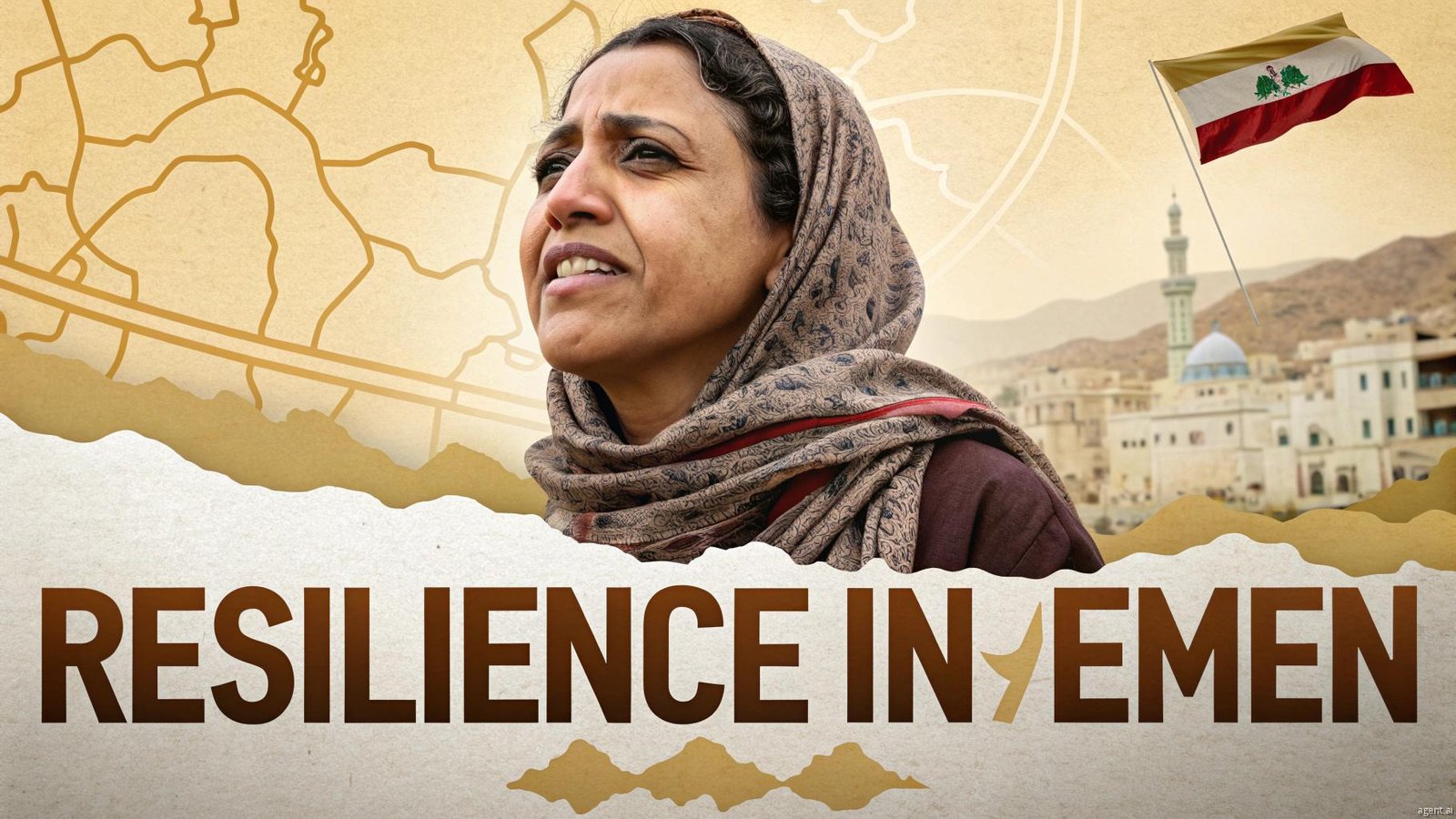

A Prelude to the Tragedy: Setting the Scene
What images spring to mind when one thinks of Yemen today? This rich land, with its breathtaking landscapes and deep historical roots, is often overshadowed by conflict and tragedy. Yemen, often referred to as the land of the Queen of Sheba, conveys a sense of ancient mystery and allure, while its current reality presents a somber narrative of suffering and resilience. To truly appreciate the gravity of the ongoing humanitarian crisis, it’s imperative to understand Yemen’s cultural and historical context.
The country boasts a stunning geography, from the rugged Hajar mountains to the serene beaches along the Red Sea. Cities like Sana’a, with its distinctive mudbrick architecture, reflect a civilization that dates back thousands of years. The vibrant marketplaces are alive with colorful spices, textiles, and handicrafts, emphasizing Yemen’s rich trading heritage. The people of Yemen, with their diverse customs and languages, embody a spirit of hospitality and proud tradition that has survived through centuries, even amidst political turmoil and conflict.
Historically, Yemen has been a crossroads of civilizations, influenced by various cultures including Arab, Ottoman, and British. This historical tapestry results in a heritage rich in poetry, music, and art, all of which contribute to a unique cultural identity. However, today this kaleidoscope of heritage faces significant threats. The echoing sounds of tradition are often drowned out by the chaos of war, leading to a tragic loss of cultural identity in the wake of humanitarian crises. Understanding the backdrop of Yemen’s beauty and complexity lays the groundwork for comprehending the depths of the tragedy unleashed by continuous bombing and deterioration of civil society.
The Ripple of Conflict: Historical Context
The ongoing conflict in Yemen is rooted in a complex tapestry of historical events, political dynamics, and external influences that have shaped its present-day landscape. The historical backdrop of Yemen is characterized by a rich tapestry of cultural diversity and tribal affiliations that date back thousands of years. However, modern political complexities began to unfold in the mid-20th century with the emergence of revolutionary movements and the struggle for independence from colonial rule.
In 1962, Yemen underwent a significant shift with the establishment of the Yemen Arab Republic in the north, which led to a civil war against royalists supported by neighboring countries. This conflict was further complicated by external intervention, particularly during the Cold War, as various factions received backing from global superpowers, deepening divisions within the nation. Following the unification of North and South Yemen in 1990, political tensions continued to simmer, exacerbated by economic issues, societal disparities, and power struggles.
The Arab Spring of 2011 marked another pivotal moment as widespread protests erupted against the long-standing regime of Ali Abdullah Saleh. The resulting power vacuum and struggle for governance exacerbated existing conflicts, giving rise to factions such as the Houthis, who capitalized on popular discontent. The situation spiraled into the current conflict when the Houthis seized control of the capital, Sana’a, in 2014, prompting a military intervention led by a coalition of Arab states in response to perceived threats against regional stability.
As the conflict escalated, Yemen suffered from a humanitarian crisis, marked by widespread displacement, famine, and disease. The historical context of Yemen, riddled with external influences and internal divisions, has created a conflict landscape that is both intricate and tragic. Understanding this backdrop is essential to comprehending the full implications of the ongoing crisis and the significance of international involvement.
Voices of the People: Personal Stories Amidst Chaos
The devastating impact of the Yemen bombings extends far beyond the numbers reported in the headlines. Behind each statistic lies a personal story, a unique narrative that encapsulates the struggles, resilience, and enduring spirit of those affected. For many, the day the bombs fell marked a pivot in their lives, leaving them to grapple with loss and uncertainty. One woman, Fatima, recounted how she lost her husband in an airstrike while he was on his way to fetch supplies. “The moment the explosion happened, everything went dark. I thought I would lose my mind,” she shared, her voice trembling as she spoke. Families like hers are now faced with not just grief but overwhelming challenges, including financial strain and the struggle to provide for their children.
Another individual, Ahmed, a father of three, reflected on the relentless fear that now permeates their daily existence. “Every sound sends us running. We live in constant anxiety, wondering when it will happen again.” His story illustrates the psychological scars that linger long after the physical destruction fades. The emotional toll is profound; children are particularly vulnerable. Many have witnessed unimaginable horrors, which will inevitably shape their futures.
Connecting with these voices allows us to see beyond the abstract idea of conflict to the very real human experiences of suffering and survival. Amal, a schoolteacher, shared how she has endeavored to keep her classroom functional amid ruins. “Education is our hope. If we lose that, we lose everything,” she stated, showcasing her determination in the face of adversity. Each narrative contributes to a larger tapestry, illustrating the stark realities and shared humanity of those caught in this tragedy. By understanding these personal stories, we can foster empathy and awareness, becoming advocates for peace and recovery in Yemen.
The Bombing: A Day like No Other
On that fateful day, chaos descended upon Yemen in a manner that few could have anticipated. As dawn broke, the sun’s rays struggled to penetrate the thick veil of uncertainty hanging over the city. Residents carried on with their daily routines, unaware that their lives were about to be irrevocably altered. The morning felt eerily normal, with children heading to school and vendors arranging their stalls in the bustling marketplace. However, the air was electric, charged with an unshakeable tension that hinted at the impending turmoil.
At approximately noon, the tranquility shattered in an instant as deafening explosions rocked the city. The sound echoed through the narrow streets, sending waves of fear rippling among its inhabitants. Buildings trembled, windows shattered, and an overwhelming cloud of dust and debris enveloped everything. For those in the crosshairs of the bombing, time seemed to stand still; the surreal blend of shock and disbelief rendered many motionless, while others screamed in terror, desperately searching for safety amidst the chaos.
Witnesses described the horrifying sight of destruction that unfolded before them. Thick smoke billowed high into the sky, a dark reminder of the violence that had erupted. A sense of disorientation pervaded the atmosphere as people instinctively fled from danger, dragging family members and neighbors with them. Fearful cries echoed through the streets, while frantic attempts to locate loved ones intensified the panic. The sound of sirens soon filled the air, although these signals of hope were juxtaposed against the stark reality of injuries and loss.
The confusion was palpable; people stumbled over debris while tending to the wounded, their actions fueled by desperation. The once vibrant community had transformed into a scene of tragedy, where uncertainty and dread hung heavily in the atmosphere. As the dust settled, the true extent of the devastation was unveiled, revealing the scars etched on both the landscape and the hearts of those who witnessed this day—one that would forever haunt their memories.
The Aftermath: Struggles for Survival
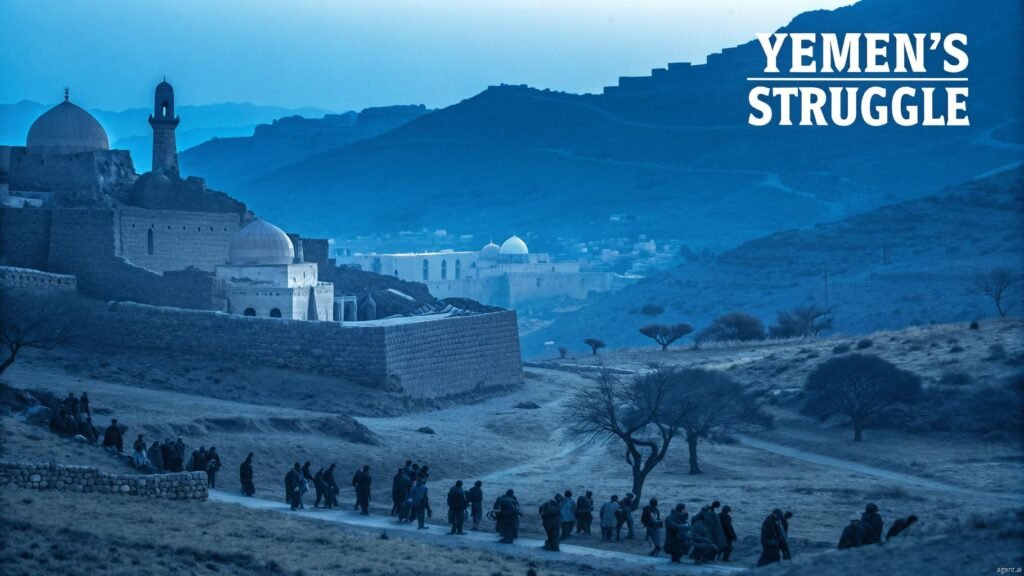
The aftermath of the Yemen bombing has imposed an unimaginable burden on the Yemeni populace, forcing them to confront loss and destruction on a daily basis. The humanitarian crisis that emerged has been severe, exacerbated by factors such as blockades, economic collapse, and the ongoing conflict. In the immediate wake of the bombing, countless families found themselves displaced, mourning the loss of loved ones and crucial livelihoods. They are confronted by the ruins of their homes and communities, with limited access to essential services such as medical care, food, and clean water.
Resilience has become a defining characteristic of the Yemeni people as they strive to rebuild their lives amid chaos. Local organizations, driven by a commitment to their communities, have risen to the challenge of providing urgent relief. These grassroots efforts, however, often face significant obstacles. The logistical difficulties caused by damaged infrastructure impede the delivery of humanitarian aid, while insecurity complicates the efforts of many workers on the ground. Despite these challenges, the determination of local volunteers and organizations has been crucial in delivering much-needed supplies to those affected.
International assistance has also played a vital role in the aftermath of the conflict. Several global humanitarian organizations have mobilized resources to address immediate needs, aiming to provide food, medical assistance, and shelter to those displaced. Nevertheless, the scale of the crisis overwhelms these efforts. Prolonged blockades and bureaucratic obstacles often hinder the flow of aid, leaving many vulnerable individuals without support. Efforts to navigate these challenges represent a significant endeavor within the broader context of ongoing conflict and instability. The stories of survival, resilience, and community mobilization stand testament to the undying spirit of the Yemeni people as they confront and adapt to their grim realities.
Culture and Resilience: Stories of Hope
The ongoing conflict in Yemen has undeniably inflicted profound pain and suffering on its citizens, yet the resilience of its culture remains a remarkable testament to the strength of the human spirit. Despite the harrowing circumstances, many Yemenis are committed to preserving their rich traditions and cultural practices, turning to creativity and community as sources of solace and strength. Through music, art, and culinary heritage, they find ways to express their experiences, fostering a sense of belonging and continuity even amidst destruction.
One notable example is the revival of traditional music and arts, which serve as vital elements of Yemen’s social fabric. Musicians and artists have sought refuge in their crafts, using their talents to uplift themselves and their communities. Local gatherings showcase folk songs that tell stories of perseverance, love, and the hope for a peaceful future. These expressions not only provide a therapeutic outlet but also promote unity among the people, ensuring that their cultural identity endures despite the adversities faced.
Additionally, community initiatives have emerged that prioritize the sharing of knowledge and skills essential for cultural preservation. Workshops on traditional crafts such as weaving, pottery, and calligraphy have flourished, allowing younger generations to connect with their heritage. These initiatives reinforce a collective identity rooted in resilience, showcasing that even in the darkest moments, the flame of cultural pride remains unextinguished.
Moreover, the culinary scene in Yemen reflects the communal spirit, as families and neighbors come together to prepare and share meals. Dishes that have been passed down for centuries not only nourish the body but also serve as a reminder of their unbroken tradition. Through these culinary practices, Yemenis foster a sense of hope and continuity amidst the storms of conflict.
As Yemen navigates its unimaginable hardships, the stories of hope within its culture exemplify an unwavering spirit. The strength demonstrated by its people through artistic expression, the preservation of customs, and the embrace of community lays the groundwork for a brighter future, illuminating the path forward from the shadows of despair.
The Global Perspective: International Response
The Yemen bombing and the subsequent humanitarian crisis have garnered significant attention from the international community. Global powers, including the United States, Russia, and the European Union, have expressed varying degrees of involvement and concern regarding the escalating violence in Yemen. This multifaceted conflict has inevitably drawn responses from both state and non-state actors, revealing a complex web of political interests and humanitarian imperatives.
One of the primary aspects of the international response has been the condemnation of the violence and the urgent call for ceasefire negotiations. The United Nations has played a crucial role, initiating talks aimed at de-escalating tensions and addressing the dire need for humanitarian aid. Resolutions have been passed to impose arms embargoes on parties involved in the conflict, although the effectiveness of such measures has been questioned, particularly given the ongoing military support received by certain belligerents from major nations.
In addition to governmental responses, non-governmental organizations (NGOs) and humanitarian groups have mobilized to provide relief amidst the chaos. These organizations aim to address the immediate needs of the Yemeni population, particularly in terms of food security, medical aid, and shelter. Despite significant challenges, such as unsafe access routes and the danger posed by ongoing hostilities, these NGOs persist in their efforts to alleviate the suffering of countless civilians.
It is important to note that the international discourse surrounding the Yemen bombing is often intertwined with broader geopolitical interests. Countries that have stakes in the region, be it political leverage or natural resources, frequently assess their responses through the lens of national security rather than pure humanitarian concern. This reality complicates the efforts for a unified international response, where political agendas sometimes overshadow the pressing humanitarian needs of the Yemeni people.
Reflections: Lessons from Yemen’s Tragedy
The ongoing conflict in Yemen serves as a poignant reminder of the fragility of peace and stability in our interconnected world. The Yemen bombing has highlighted not only the immediate human cost of war but also the long-term implications for regional and global security. As we reflect on the lessons learned from this tragedy, it becomes evident that empathy and international solidarity play crucial roles in preventing similar occurrences in the future.
The devastation inflicted upon Yemen is a stark illustration of how humanitarian crises can emerge from geopolitical tensions. It stresses the urgency of diplomatic engagement and conflict resolution strategies aimed at protecting civilians and promoting stability. The lesson is clear: the repercussions of a conflict in one region can reverberate across the globe, affecting migration patterns, economic stability, and even international relations. As such, it is imperative for nations to work collaboratively towards conflict prevention and resolution, recognizing that peace must be cultivated through shared understanding and respect for human rights.
Moreover, the bombing has reignited discussions about the global arms trade and its ethical implications. The complicity of various nations in supplying weapons to warring factions exemplifies the need for stricter regulations and oversight to prevent the escalation of violence. As individuals, we are called upon to hold our governments accountable for their actions and advocate for policies that prioritize human life over military interests.
In light of these reflections, it is crucial for the global community to foster a spirit of solidarity with the people of Yemen. Providing humanitarian aid, supporting peace initiatives, and amplifying the voices of those affected by the conflict are vital steps in confronting the tragedy head-on. By committing to understanding rather than indifference, we can collectively work towards a future where such tragedies are no longer a common narrative in our world.
A Visual Journey: Explore the Story Further
The tragedy that unfolded in Yemen is a somber narrative, marked by profound loss and resilience. To offer a deeper understanding of the impact of the bombings, we invite our readers to engage with a meticulously curated video that encapsulates this poignant story. This visual journey is more than just a sequence of images; it is an emotional experience that presents the stark realities faced by those affected by the conflict.
Within this video, viewers will encounter firsthand accounts from survivors, revealing their hopes, struggles, and the harsh consequences of war. These interviews provide unique insights into the daily lives disrupted by violence, illustrating the human cost of the bombings in Yemen. The emotional weight of these narratives is essential to grasping the full extent of the tragedy and underscores the need for empathy and understanding.
The visual representation of the aftermath of the bombings allows viewers to witness the destruction that persists in many parts of Yemen. By showcasing both the devastation and the enduring spirit of the communities, the video serves as a powerful tool for reflection. It highlights how those impacted are not merely statistics but individuals with dreams and aspirations, now caught in a cycle of conflict.
We encourage readers to watch this visual journey as it plays a critical role in bridging the gap between abstract figures and lived experiences. By bringing these stories to life, the video fosters a more profound emotional connection, helping to humanize the tragedy of the Yemen bombing. Understanding the narrative through this medium can enhance awareness and advocacy, making it pivotal for those seeking to comprehend the complexities surrounding this tragic event.